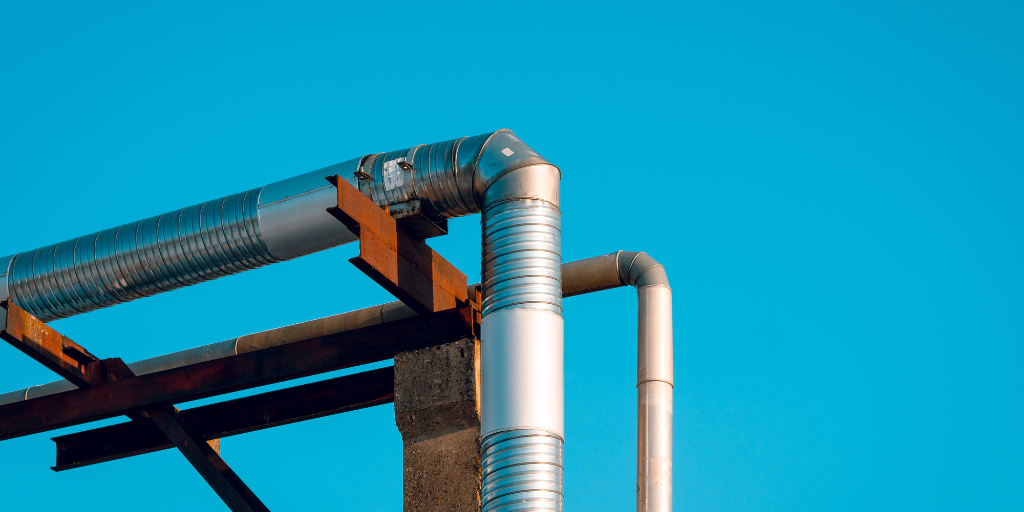
September 19, 2023 | Read more Non-governmental organisations CEE Bankwatch Network and Eko-svest have submitted three formal complaints alleging legal breaches in the planned Greece – North Macedonia fossil gas pipeline project.
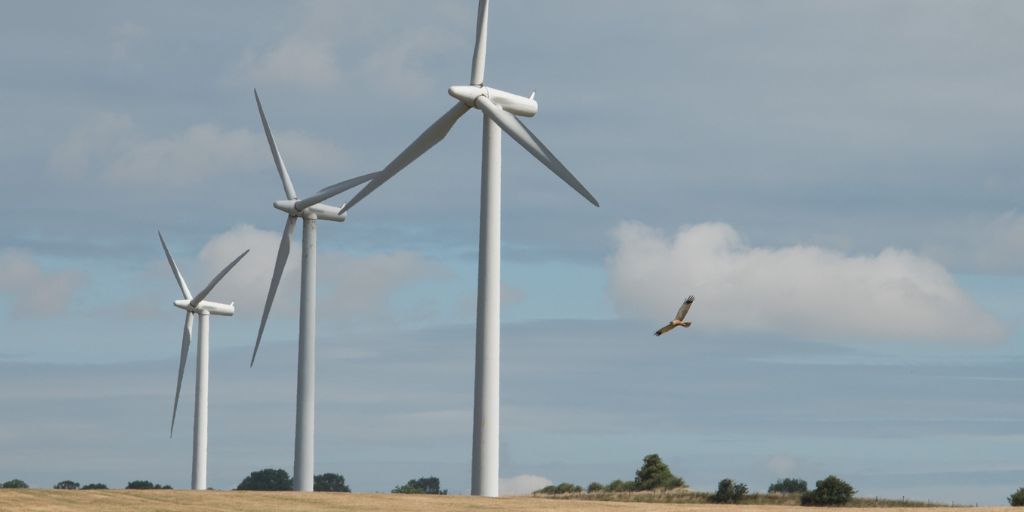
September 12, 2023 | Read more The European Parliament plenary today approved an updated Renewable Energy Directive setting a new renewable target of 42.5 per cent by 2030. The changes give a much-needed boost to small-scale solar and heat pumps, but undermine existing environmental legislation. Some renewables will be allowed to skip crucial environmental assessments and more damaging projects will be allowed in the EU’s protected natural areas.
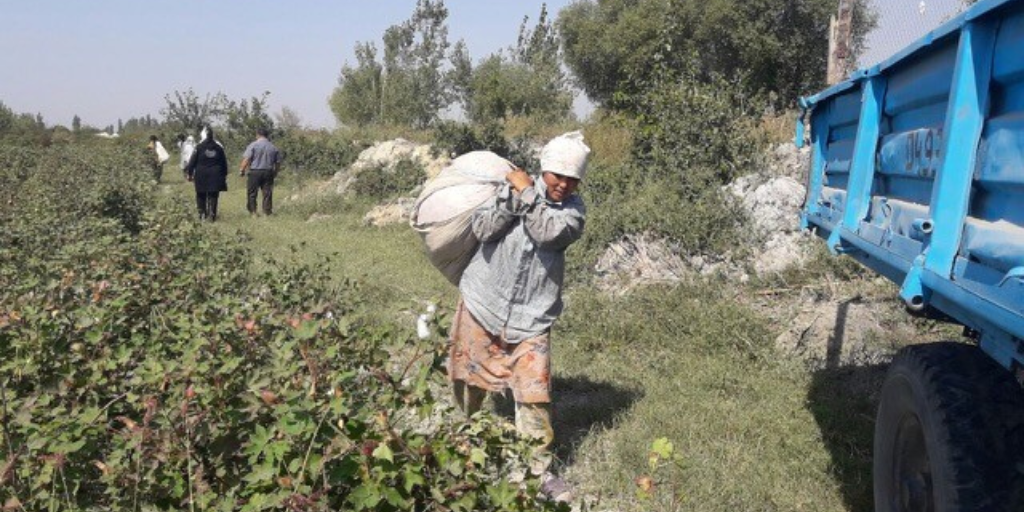
September 5, 2023 | Read more On 3 August 2023, Uzbek Forum for Human Rights (Uzbek Forum), assisted by Bankwatch Network, filed a complaint with the Independent Project Accountability Mechanism (IPAM) of the European Bank for Reconstruction and Development (EBRD) for human rights violations at Indorama Agro, one of Uzbekistan’s largest cotton producers.
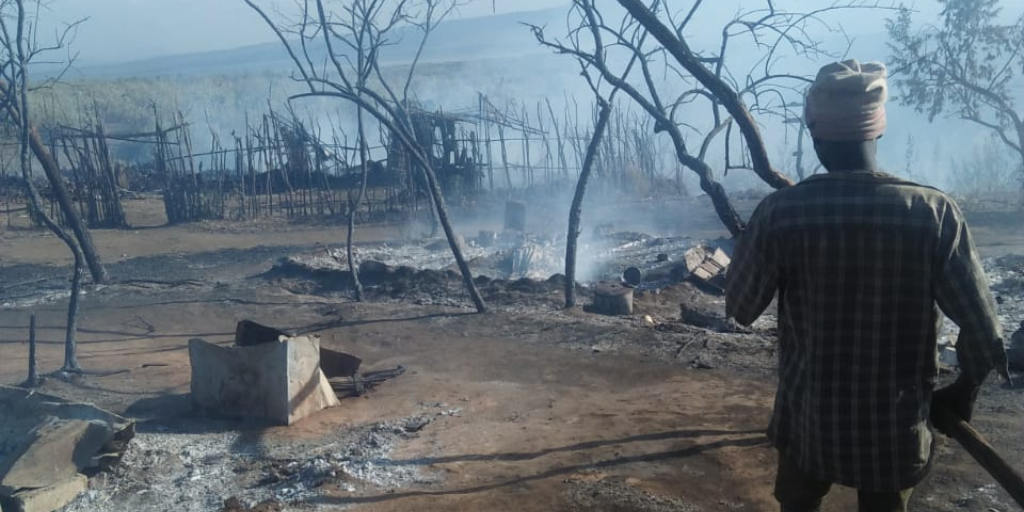
September 4, 2023 | Read more On 4 to 6 September, the world’s public development banks will gather for the Finance in Common Summit in Cartagena, Colombia. They’ll be discussing key development issues – from climate change to infrastructure – issues that affect the lives of millions of people around the world. Bankwatch is on the ground to expose the adverse impacts of investments made by development banks and advocates for meaningful community participation in decision-making on development projects.
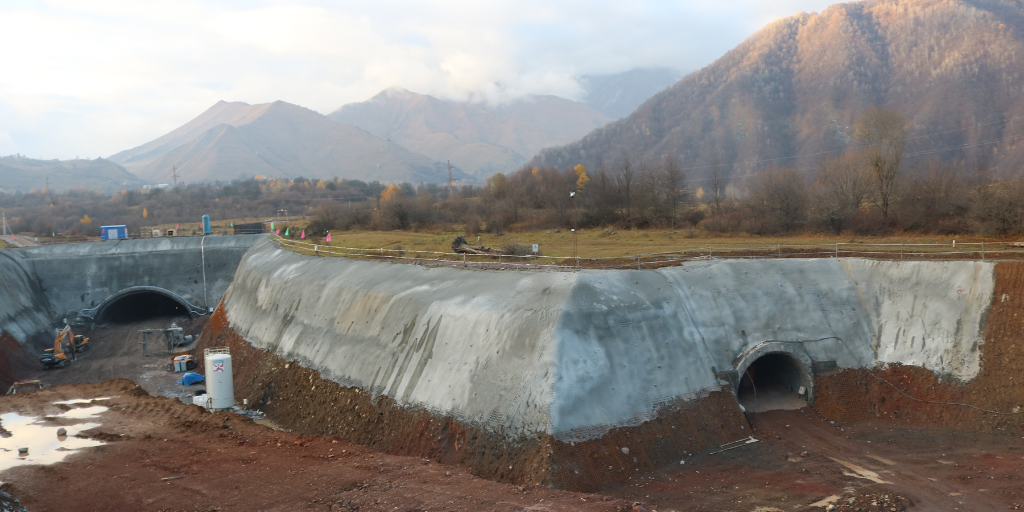
September 4, 2023 | Read more As a member of the Coalition for Human Rights in Development, Bankwatch has joined civil society organisations and human rights defenders from over 20 countries in calling for immediate and effective action from public development banks.
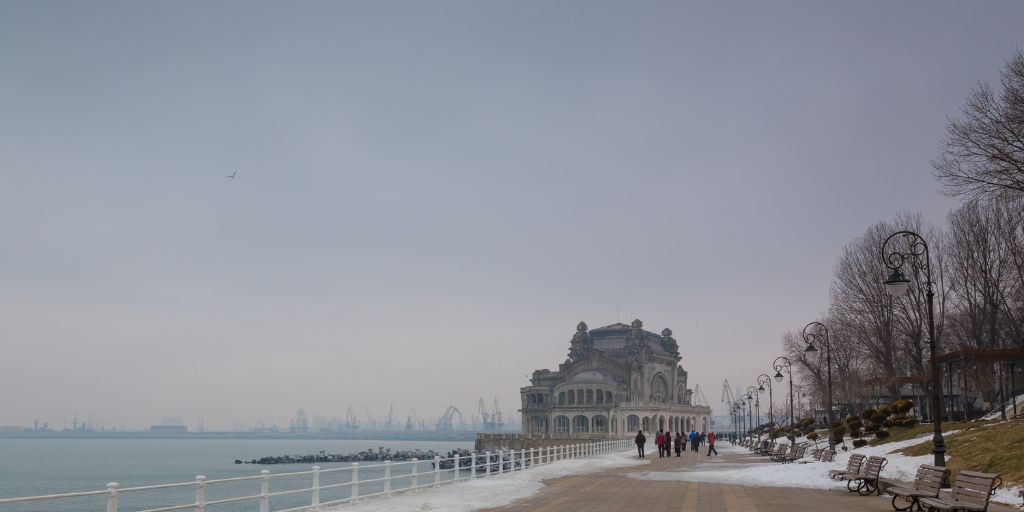
August 23, 2023 | Read more A measure intended to replace Romania’s coal-fired plants with highly efficient combined heat and power (CHP) for use in district heating systems is slated for funding under Romania’s national recovery and resilience plan.

August 21, 2023 | Read more The efforts of Tbilisi City Hall, responsible for transport reform, are anything but commendable. Criticism is also apt for the international financial institutions that have invested significantly in Tbilisi’s transport planning overhaul, and that are therefore responsible for monitoring its progress and impact.

August 8, 2023 | Read more In stark contradiction with the urgent need and ambitious measures taken to end Europe’s dependence on fossil fuels, the Bulgarian government is working to join a fossil gas prospecting project in the Black Sea.
August 7, 2023 | Read more Despite months of preparatory negotiations between the Hungarian government and the European Commission, the Hungarian public has only two weeks in August to participate in the public consultation on the extensive 67-page draft REPowerEU chapter before it’s submitted to the European Commission by 31 August.
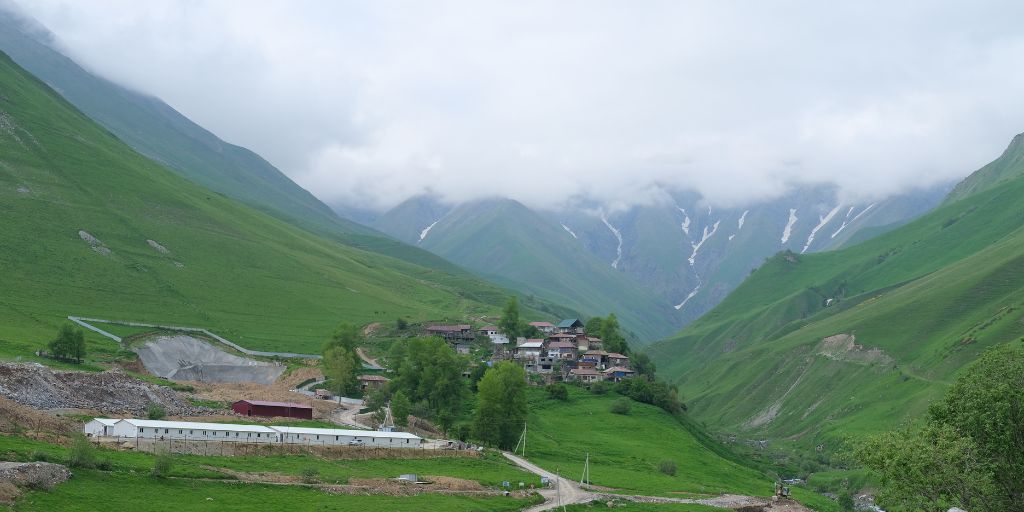
August 3, 2023 | Read more The North-South Corridor, widely promoted by international financial institutions, aims to facilitate the transport of goods as the ‘only land access to the Russian Federation’, as well as to Iran, Armenia and Azerbaijan, running through Georgia. Yet the project impacts the cultural heritage of picturesque landscapes in Georgia without answering the major question raised Georgian taxpayers – why should they pay for a new road to Russia, a country that does not have diplomatic relations with Georgia, has occupied Georgian territories, and presents one of the major obstacles to Georgia’s European future?
Stay informed
Receive our monthly overviews of the latest developments on the ground.

