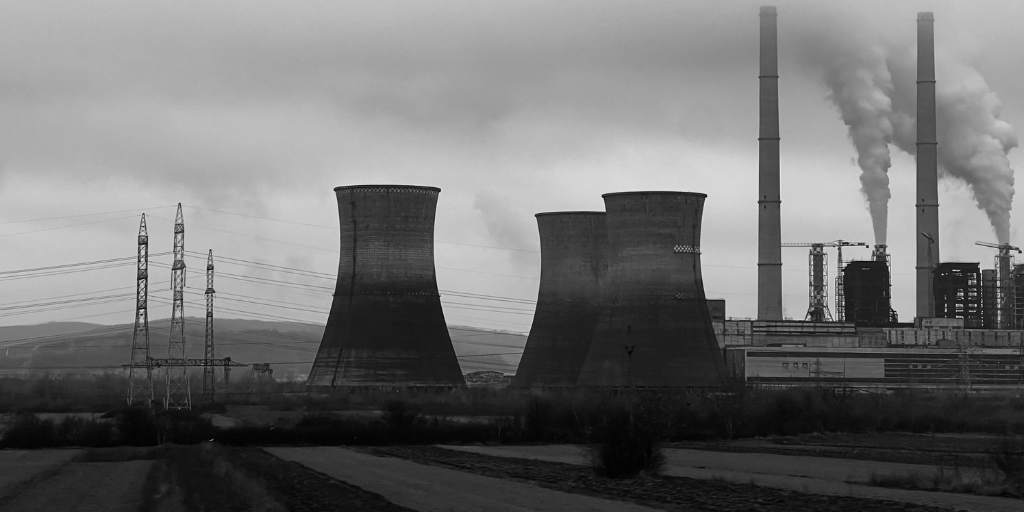
September 30, 2026 | Read more Romania’s energy crisis has laid bare the risks of relying on delayed gas projects to replace coal power. Meanwhile, battery storage has been developing much faster and is already providing much-needed flexibility. Even a state-owned coal company with designs on a gas power plant is now pursuing battery storage instead.

September 30, 2026 | Read more The Recovery and Resilience Facility, the EUR 577 billion flagship instrument of NextGenerationEU, has entered its final implementation phase. Today marks the non-extendable deadline for EU Member States to submit their final payment requests for post-pandemic recovery and reform projects.
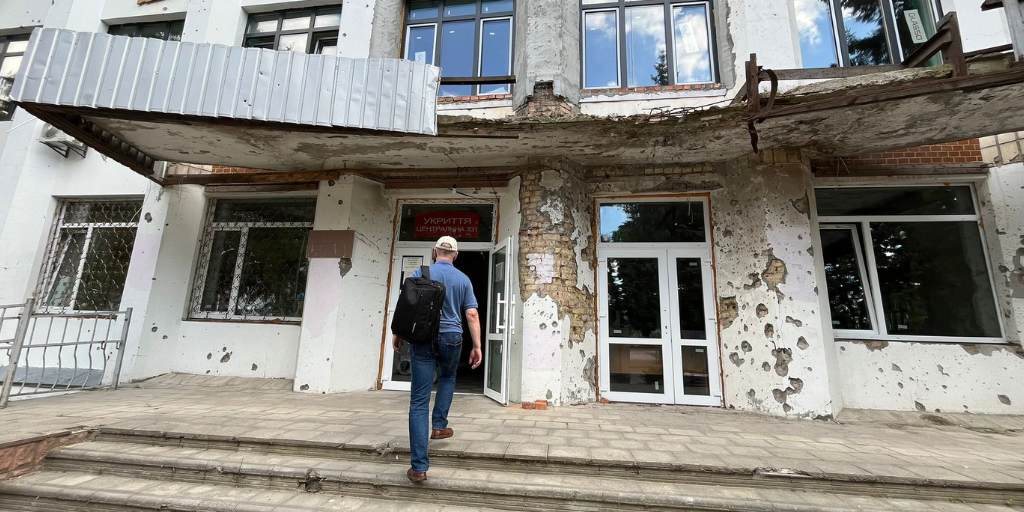
August 18, 2026 | Read more Ukraine’s public investment management (PIM) system faces a fundamental challenge: communities and ministries often know what they need, but lack the time, data, expertise and money to turn those needs into strong investment projects.
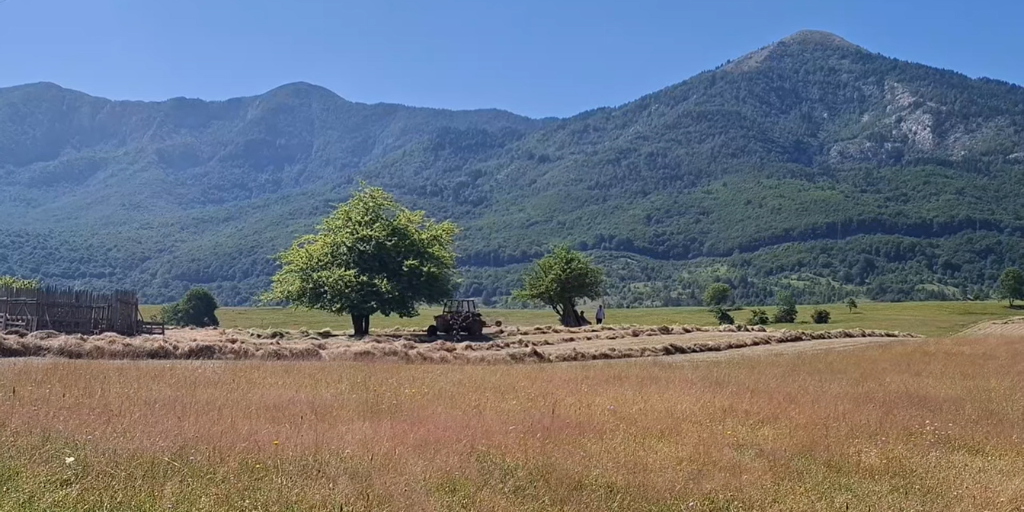
August 6, 2026 | Read more The EBRD-backed development of the 400/110/35 kV Brezna substation for Montenegro’s transmission grid is opening several crucial questions – where is the red line beyond which a project’s impact on local communities makes it unacceptable? Can this even be assessed when all the institutions and financiers involved fail to identify even the obvious impacts? And why are the project’s backers so reluctant to provide environmental documentation to the affected people?
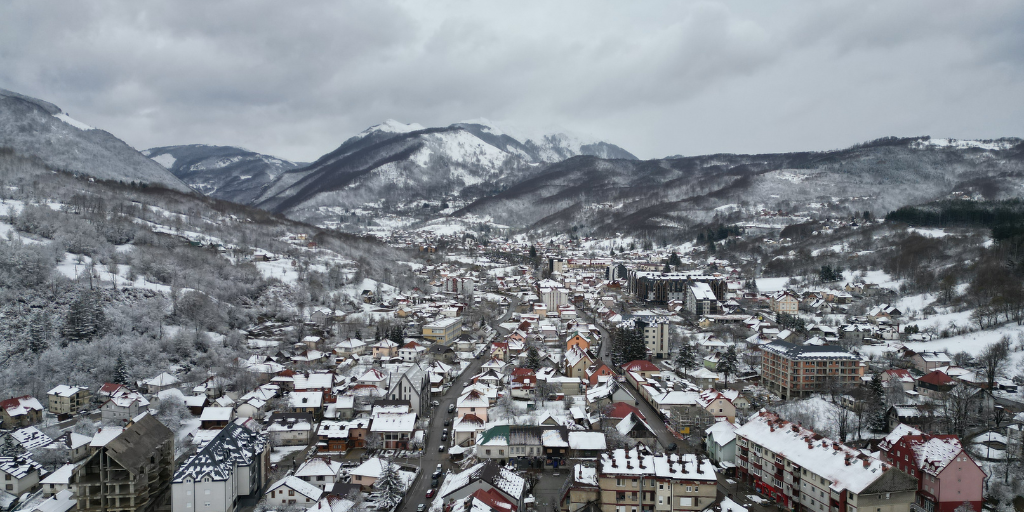
August 4, 2026 | Read more Located below the Bjelasica mountain in northern Montenegro, the town of Kolašin is experiencing a rapid transformation. The expansion of the local ski resort, which attracted around 80,000 visitors during the 2025/2026 winter season, is accelerating tourism growth and new construction. As the town grows, local authorities face a critical challenge – ensuring that new heating infrastructure supports sustainable renewable solutions and avoids locking the town into fossil fuel-based systems for decades.
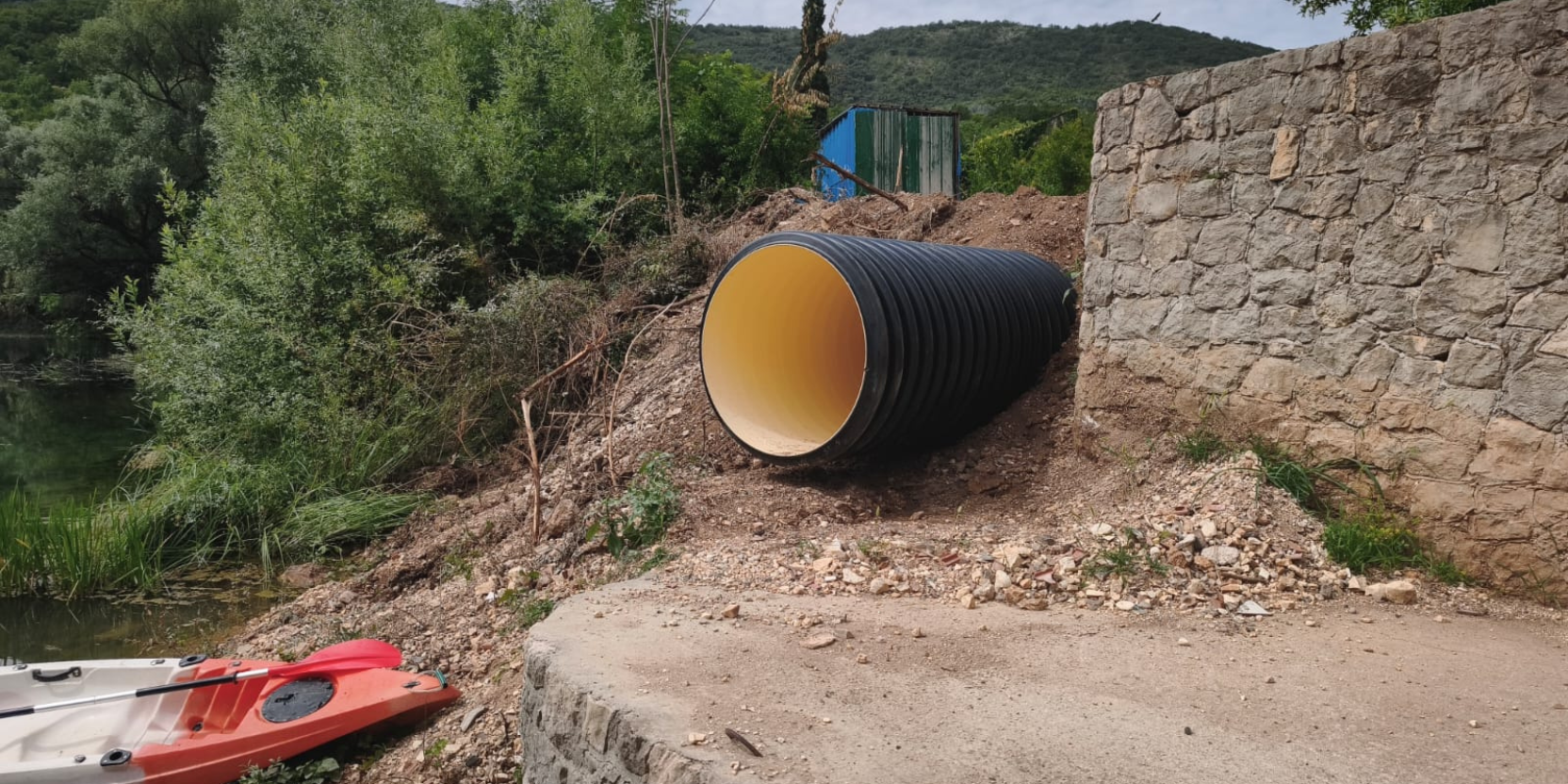
July 30, 2026 | Read more A large drainage pipe has been recently installed next to the spring of the Bunica River as part of the construction of the European Corridor Vc motorway in Bosnia and Herzegovina. Local residents became increasingly concerned and the issue gained public attention on 3 July 2026 when photographs of the works were widely shared and questions were raised about the purpose of the pipe and its potential impact on the river.
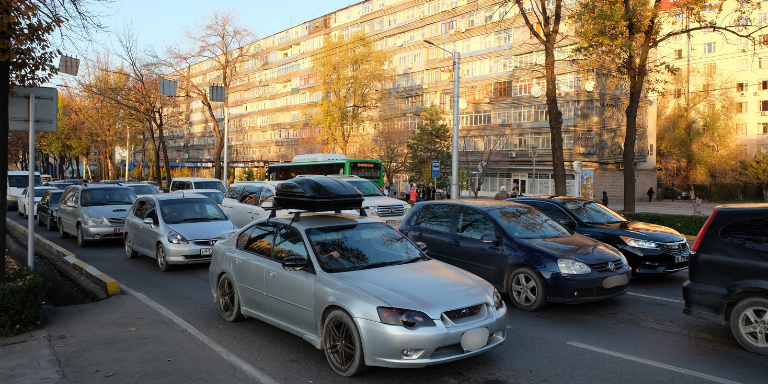
July 16, 2026 | Read more The European Bank for Reconstruction and Development (EBRD) failed to trigger its environmental and social safeguards as the City of Bishkek got rid of 131 trolleybuses purchased with loans from the Bank. Will any lessons be learned from this fiasco?
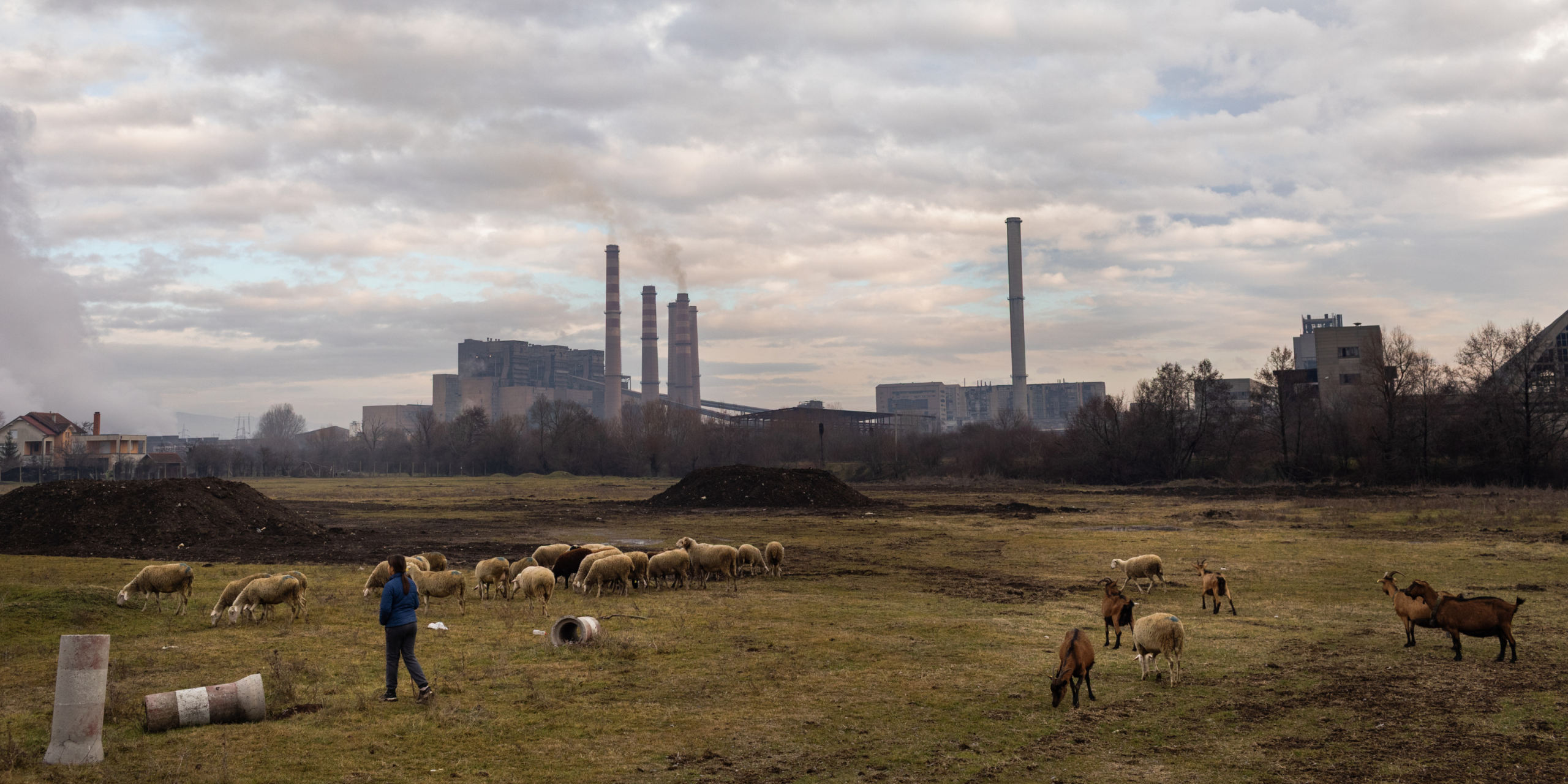
July 15, 2026 | Read more For coal-dependent communities in the Western Balkans, the launch of the JET Balkans project marks a welcome end to more than two years without a dedicated regional support platform. But with political commitment, funding and transparency still in short supply, local authorities and civil society are wondering whether the initiative can turn planning into meaningful implementation, or whether it will repeat the shortcomings that have slowed just transition efforts across the region.
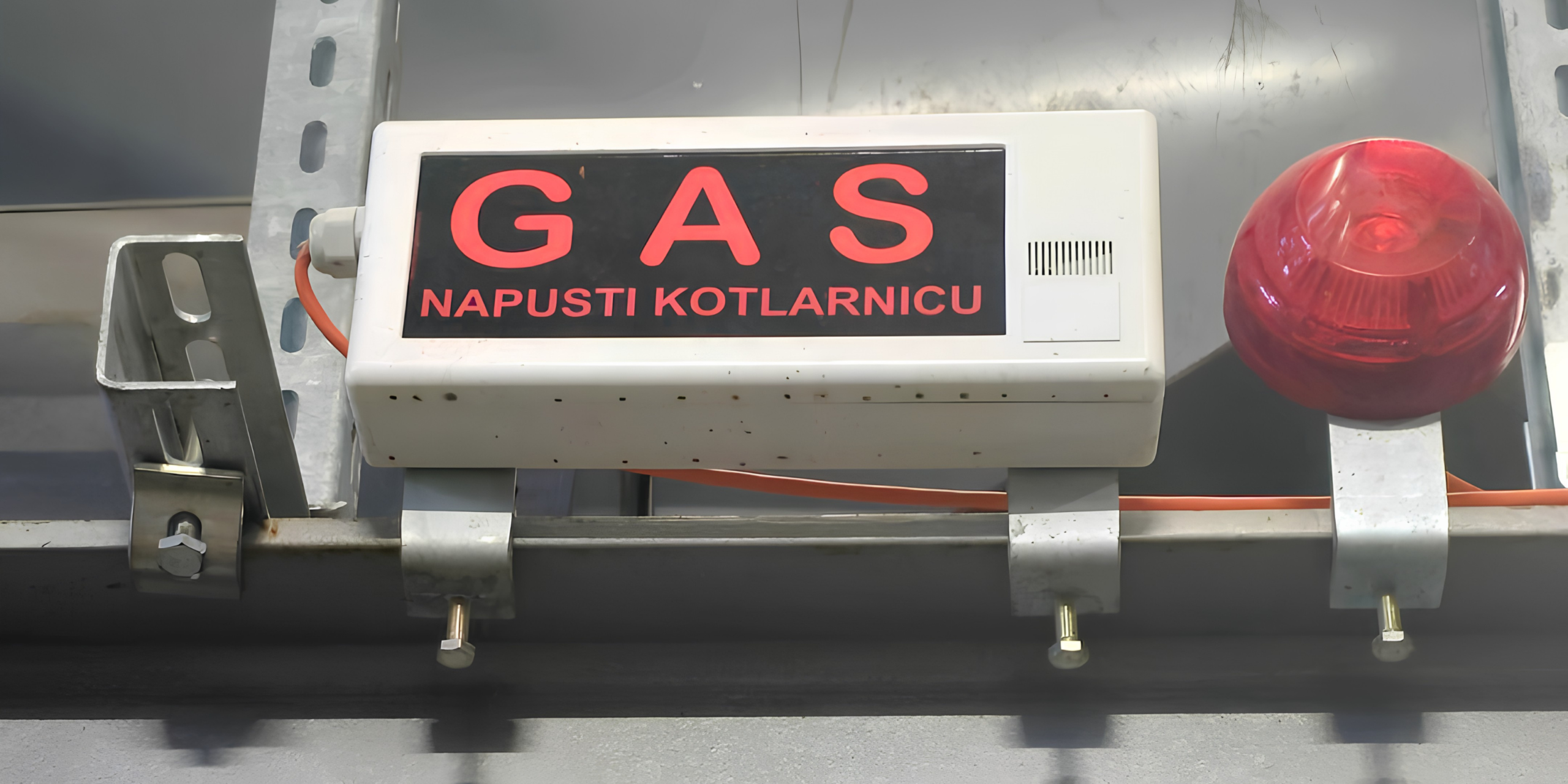
July 14, 2026 | Read more The current situation among district heating companies in Serbia provides a timely warning for Western Balkan governments still betting on new fossil gas infrastructure. In recent years, these governments have shown renewed interest in building new gas infrastructure. Many projects have been on the table for years, but new schemes are also being actively promoted by the United States.
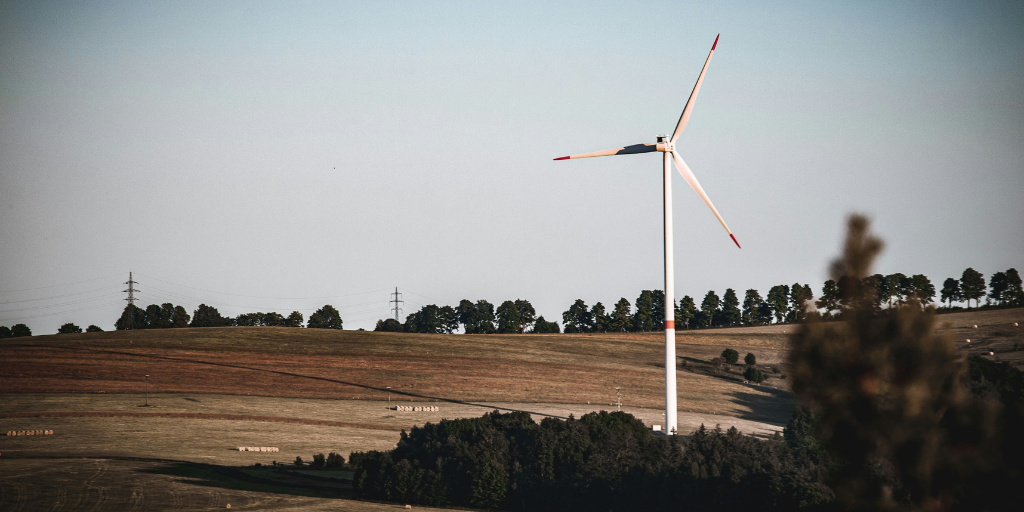
July 10, 2026 | Read more The Operational Programme Technologies and Applications for Competitiveness (OP TAC) is one of the Czech Republic’s flagship EU funded programmes for the 2021–2027 period.
Stay informed
Receive our monthly overviews of the latest developments on the ground.

