
Strategic Area Leader - Beyond Fossil Fuels
Email: ioana.ciuta AT bankwatch.orgTel.: +4031 438 2489
loana joined Bankwatch in 2014 as energy coordinator for the Western Balkans, preventing new coal capacities from being built in the region, but also campaigning for improved air quality. Since taking on the current role, she has been leading campaigns to accelerate the transition to clean, sustainable energy in Central and Eastern Europe, the Western Balkans, and lately, Central Asia. She also serves as president of Bankwatch Romania and joins efforts against unsustainable hydropower development, while fighting to keep the space for civil society. With a background in journalism and over two decades of environmental activism, she works to bridge grassroots action with policy change for a just, fossil-free future.
More from Ioana Ciută
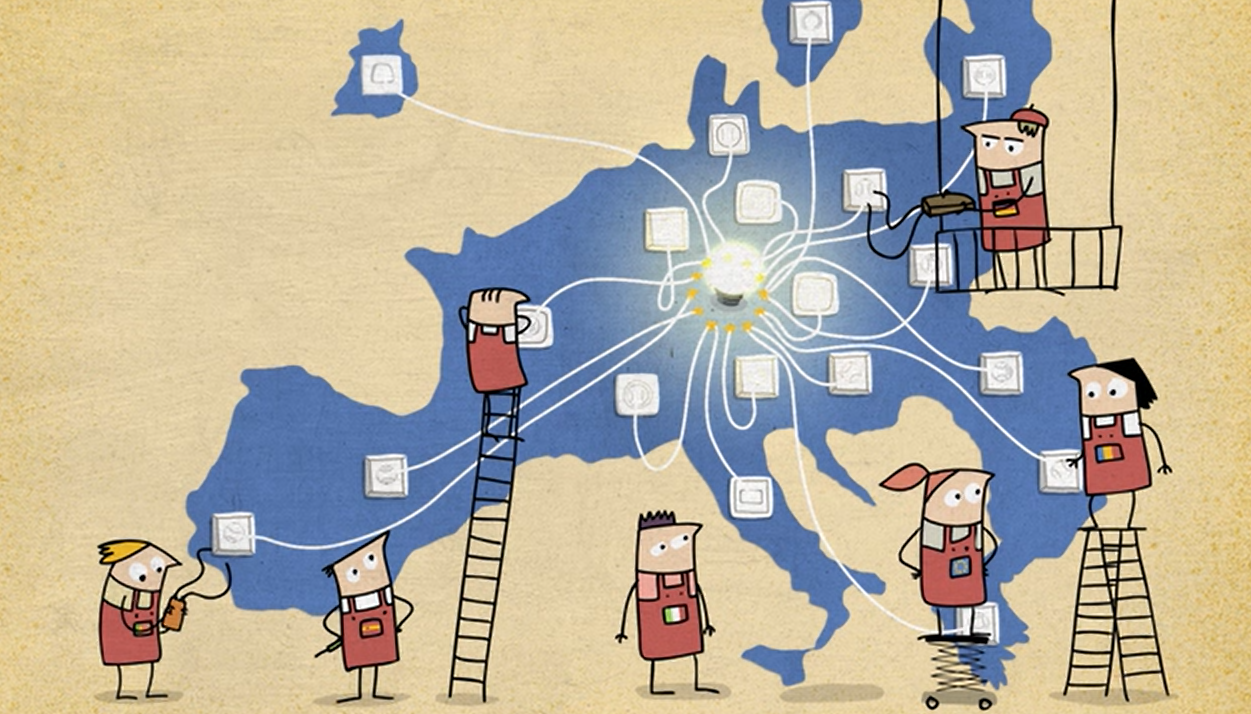
CBAM’s coming, it’s time to put a price on carbon!
June 15, 2022 | Read more
Electricity* traded between Western Balkan countries** and the EU will need to embed the cost of CO2 in its final price, potentially from as early as 2025.
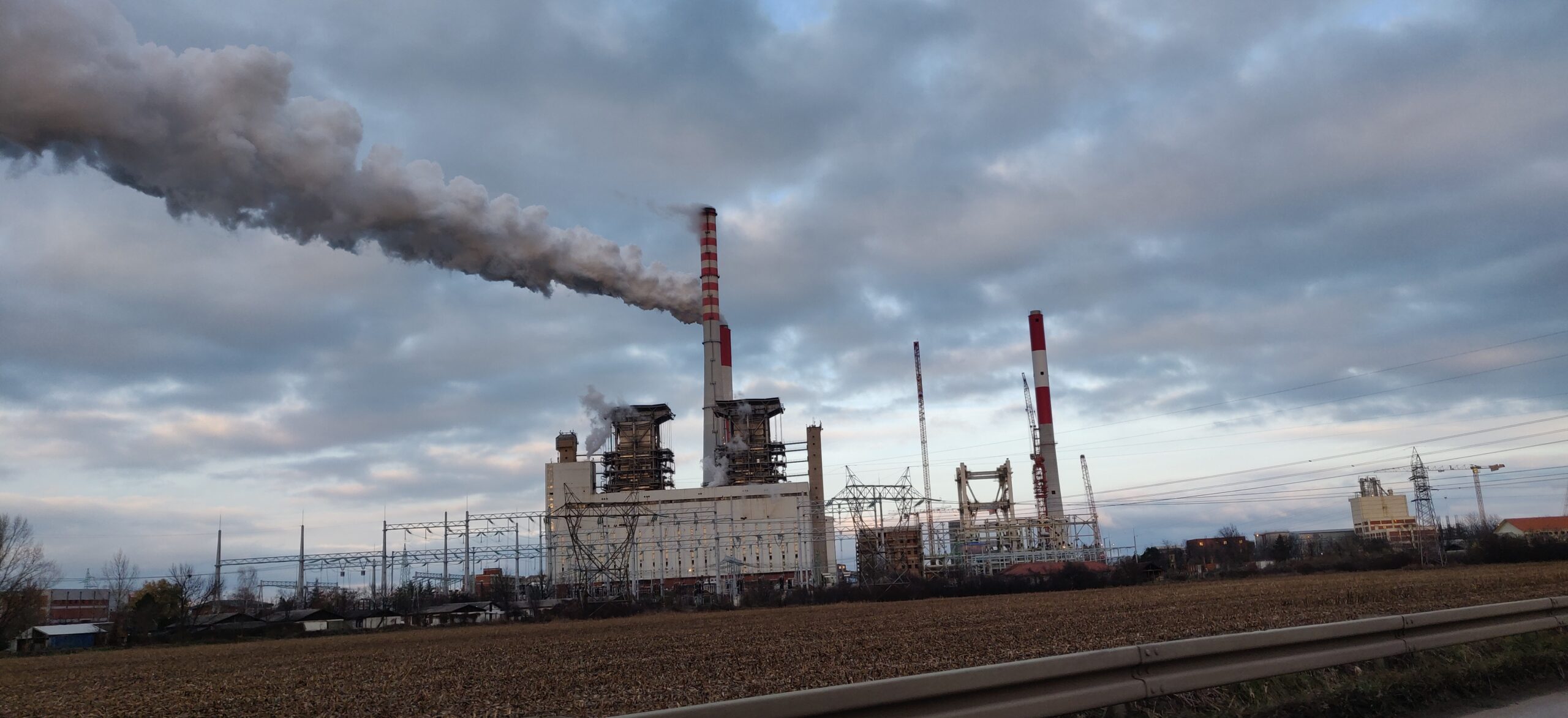
Serbia consulted its neighbour, Romania, about the transboundary environmental impact of its national Spatial Plan, supposed to cover the period between 2021 (!) and 2035. This time, with the text of the Spatial Plan in the language of the potentially affected public, i.e. Romanian, as required by the Espoo Convention. Bankwatch Romania submitted written input, highlighting, among others, that the so-called “gradual decarbonisation” mentioned in the Spatial Plan consists in reality of only 2GW additional installed capacity in wind electricity but of 4GW in new lignite and fossil gas capacity. Bankwatch Romania called for a revision of the Plan, which would account for a genuine decarbonisation in line with the Green Agenda goals, which means abandoning new lignite infrastructure plans.
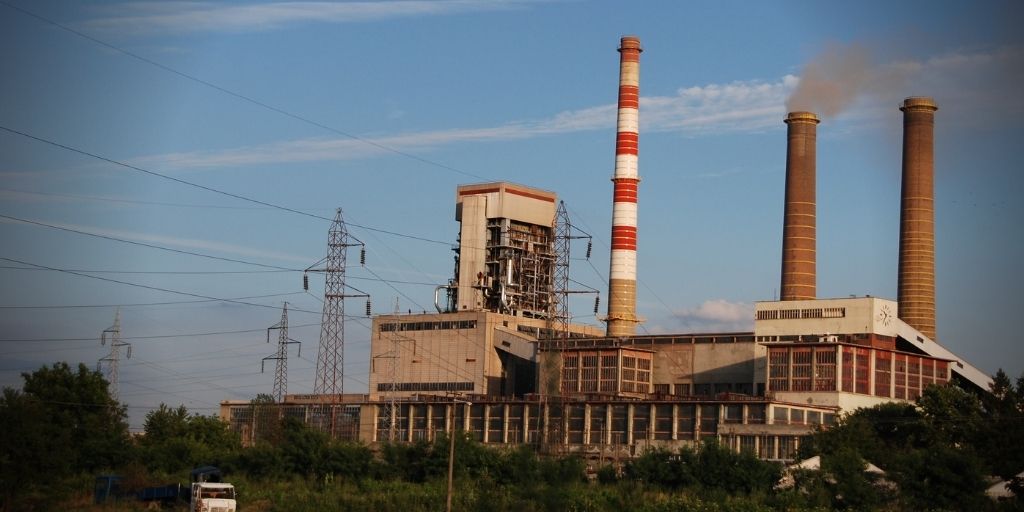
Serbia: key national plan risks cementing coal dependence
June 29, 2021 | Read more
The Serbian government’s 15-year national Spatial Plan is so keen to stick to business-as-usual it is openly ignoring some of the country’s most pressing issues to justify plans for six new fossil fuel-based power plants. Belgrade also doesn’t appear to care much about what Serbia’s neighbour to the east thinks regarding the implications these disastrous plans would have for them.
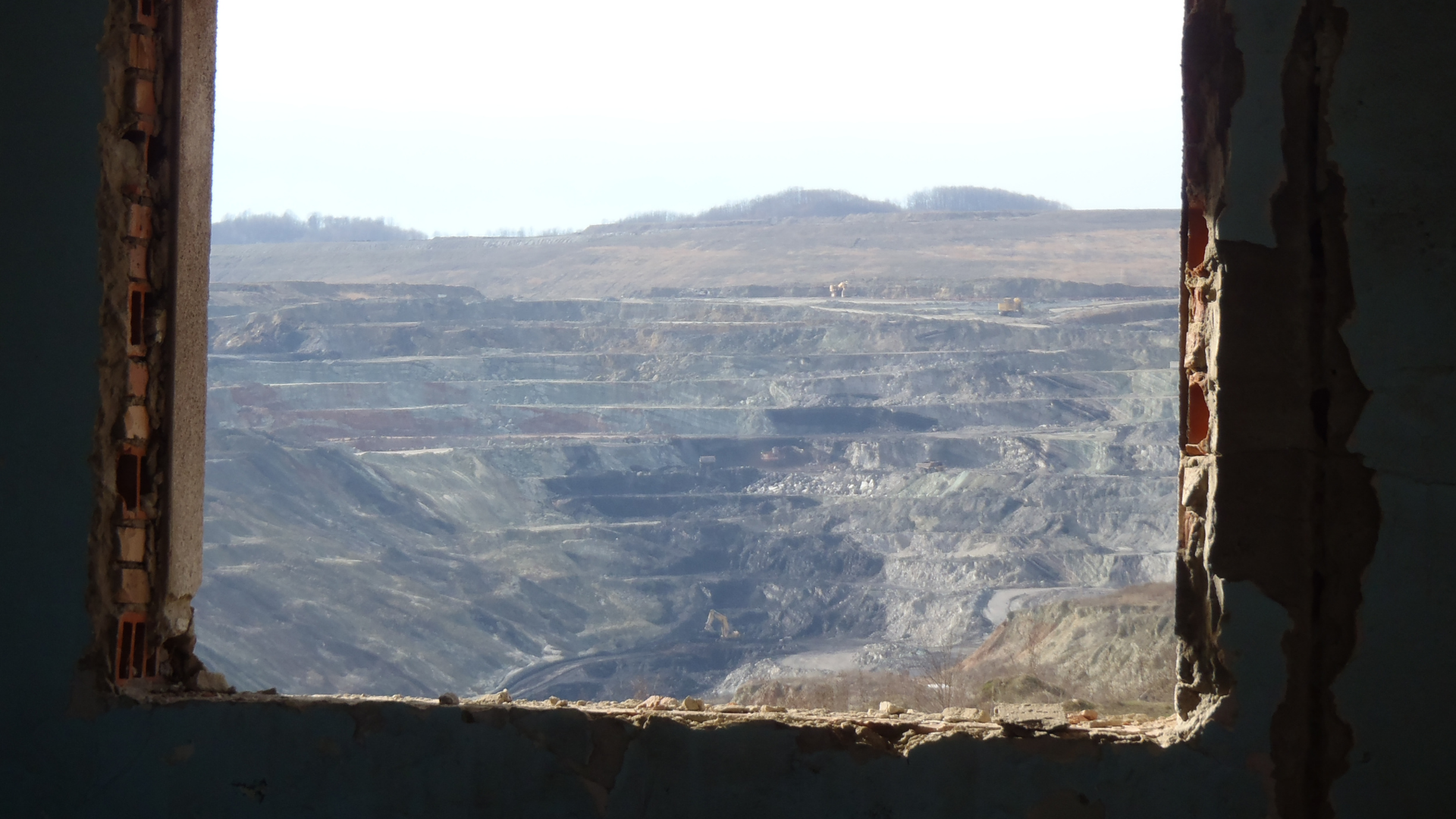
Upgrades to the coal power plants in the Western Balkans that would bring down sulphur dioxide emissions are rare. But even where investments have been made, they have so far failed to deliver the much-needed results.
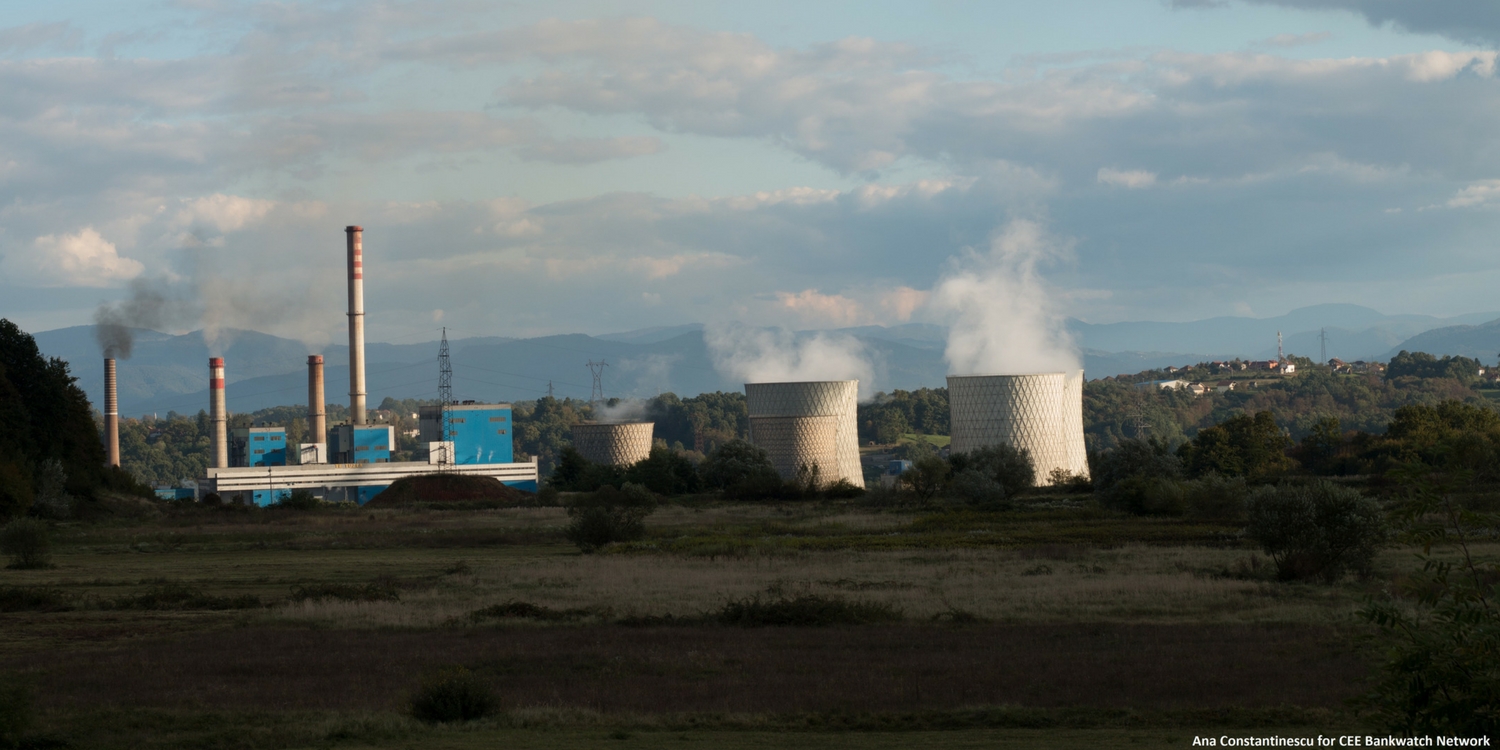
There are few things one can be sure of in life, but the constant anxiety communities near Bosnia-Herzegovina’s Tuzla power plant experience is one of them.

