
Communications officer
Email: michaela.kozminova [at] bankwatch.orgTel.:
Michaela joined Bankwatch in 2022 and is based in Prague. She previously worked in communications for environmental NGOs, she has experience in climate policy research and journalism, and she did a traineeship at the European Commission. She holds a Master’s degree in Environmental Policy from Sciences Po Paris and in Journalism from the University of Gothenburg.
More from Michaela Kožmínová
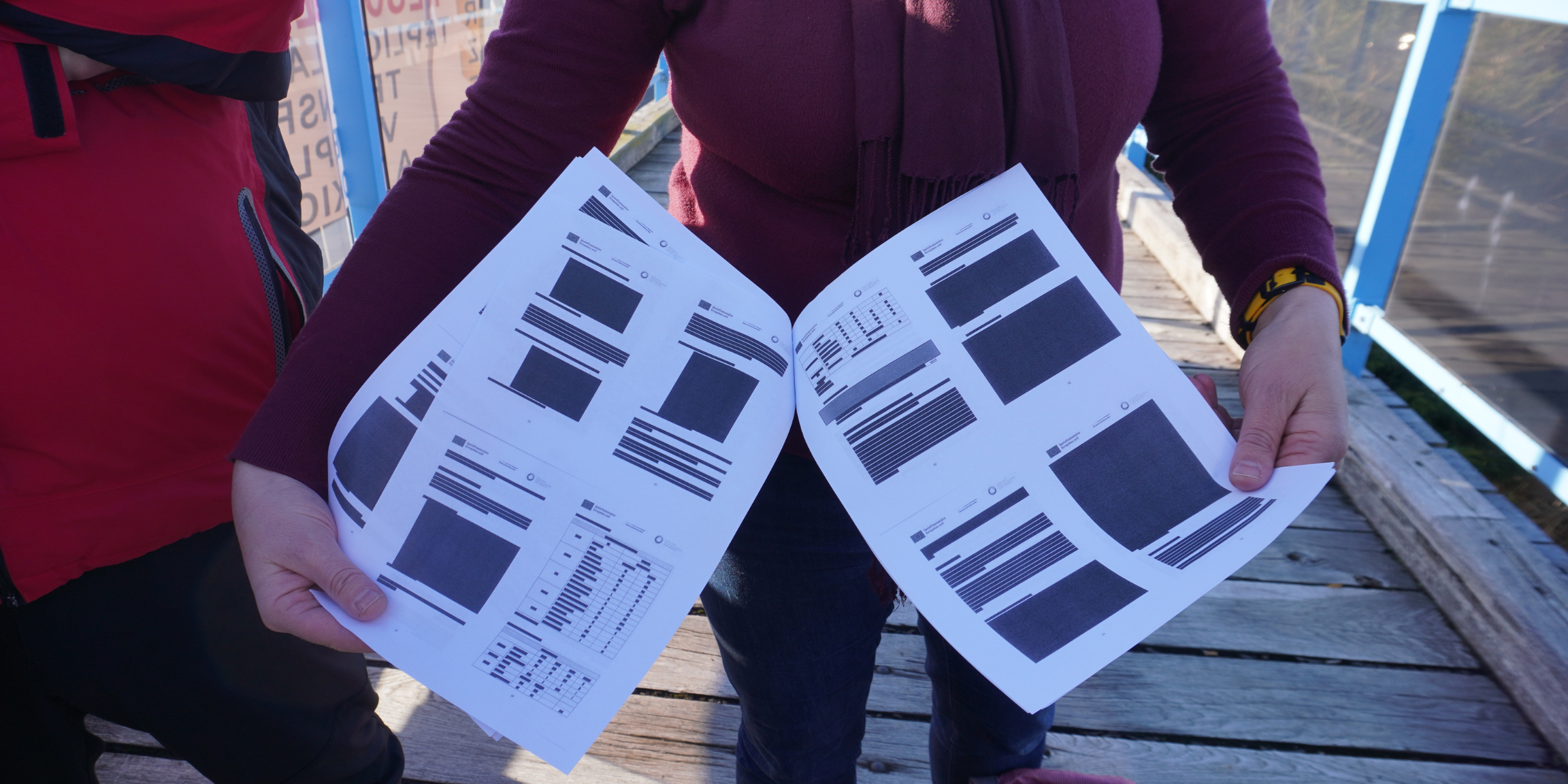
Civil society organisations and accountability mechanisms have repeatedly highlighted EBRD-financed projects in which the people affected have been marginalised, consultations have been superficial, and grievances have been ignored. These are not isolated missteps or the work of a few bad apples, but rather recurring problems that result in serious harm to people and the environment. Our latest research identifies 38 such cases, raising a pressing question: How can the EBRD ensure meaningful public participation if it doesn’t identify and learn from its failures?
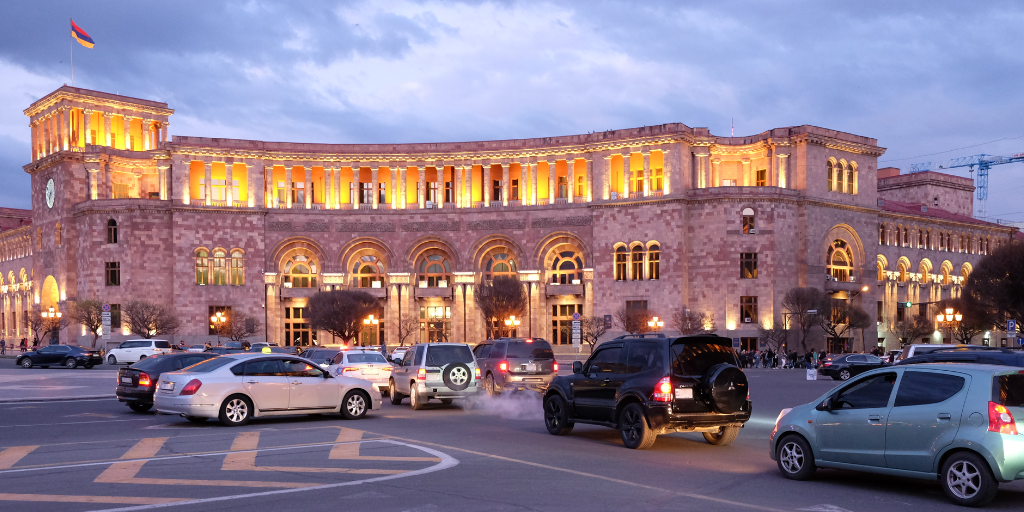
In May 2023, a massive fire broke out at the Nubarashen landfill on the outskirts of Yerevan, enveloping the city in a cloud of toxic smoke generated by the burning waste. It took 10 days and 2,300 truckloads of soil to extinguish the flames. Coming seven years after Yerevan became a pioneer by joining the European Bank for Reconstruction and Development (EBRD)’s Green Cities initiative, this incident is a stark reminder of the urgent need to adopt a safer and more sustainable approach to waste management and urban planning.
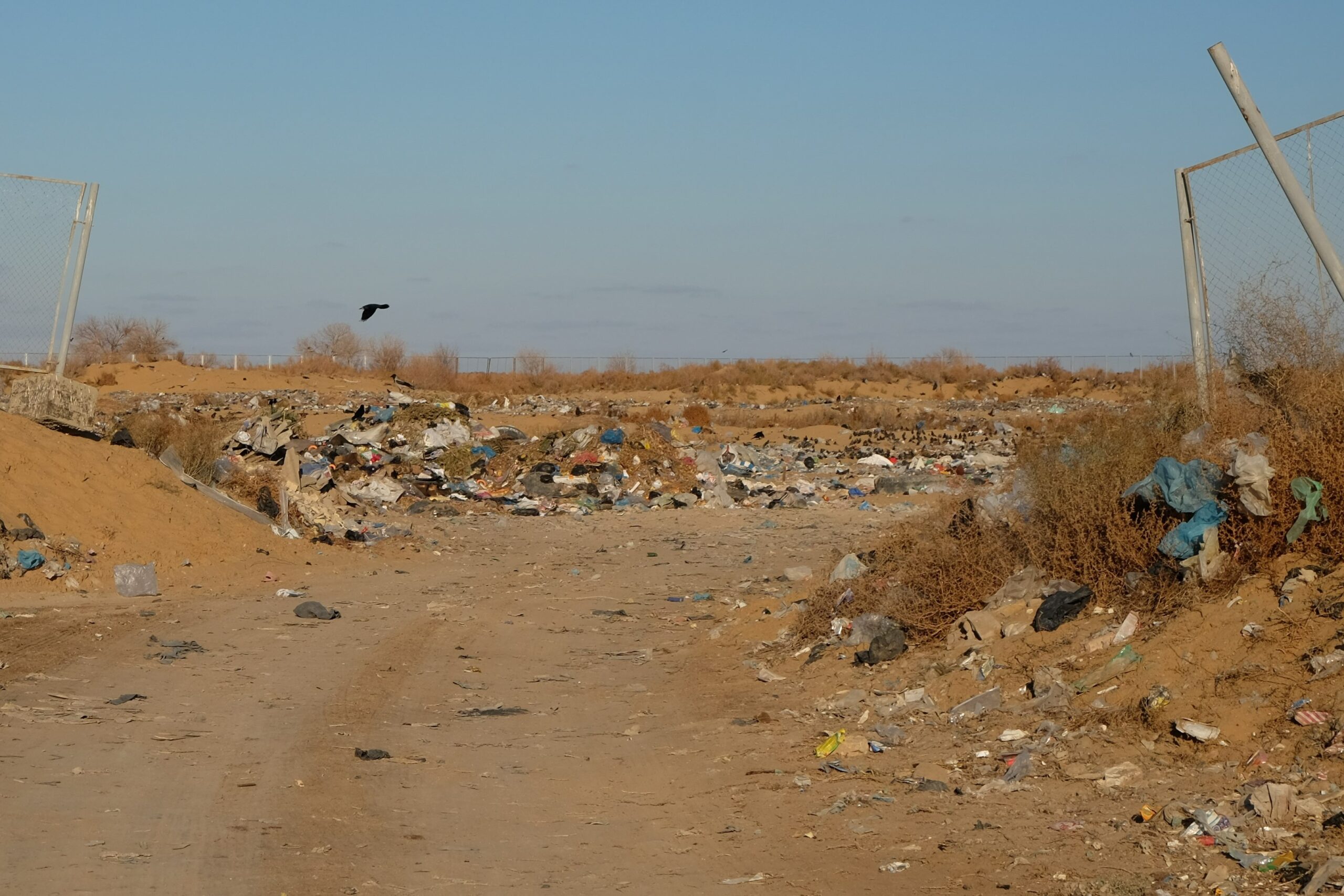
Waste management in Uzbekistan: the high risks that the EBRD refuses to see
February 20, 2023 | Read more
People living in the settlements adjacent to landfills slated for expansion under an EBRD waste management project were not adequately consulted.

