More questions than answers as new EBRD mining policy is chiseled out
Bankwatch Mail | 14 December 2012
After long delays and more than three years in the making, the European Bank for Reconstruction and Development (EBRD) finally in early November published its new mining sector policy. Yet both the consultation process and the final outcome have left “consulted stakeholders” disappointed.
This article is from Issue 54 of our quarterly newsletter Bankwatch Mail
Browse all articles on the right
Bankwatch’s scrutiny of the EBRD’s mining operations in recent years has thrown up a wide range of egregious issues connected with the bank’s performance in this controversial sector. Some of the most acute problems identified by our analysis and work in co-operation with affected communities and groups on the ground range from deepened commodity export dependence and the exacerbation of environmental problems to negative impacts for local communities.
The EBRD and the mining sector: example cases
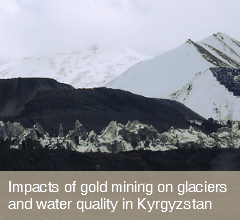
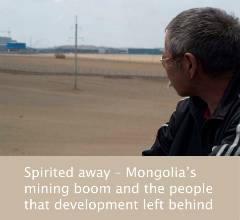
Now with the new policy approved, the question is: where will the negative effects of major mining operations crop up next across the region? Compared to the draft version from April (pdf) (subtitled “Supporting Responsible Mining”), the final policy (pdf) featured few changes. Most glaringly, the policy fails to incorporate the obvious links between the EBRD’s support for coal mining activities and the climate impacts of burning coal.
A host of other important issues, including the protection of important natural areas (such as glaciers), the diversification of export oriented economies, and the strengthening of transparency, participation and revenue sharing in mining activities have been postponed to the revision of other EBRD policies and strategies.
Despite the bank’s bold claims of an exhaustive consultation process, the outcome does not sufficiently “incorporate differing views”. Bankwatch’s extensive comments on the draft policy barely registered in the final document.
This new mining policy is a real missed opportunity that fails to lay the groundwork for less harmful EBRD mining operations. Its main impulse appears on the face of it to do little else than expand business as usual. Neither does it offer a vision for aligning the interests of local people and the environment with commercial benefits for mining corporations.
Theme: Social & economic impacts | Other harmful projects | Mining
Never miss an update
We expose the risks of international public finance and bring critical updates from the ground. We believe that the billions of public money should work for people and the environment.
STAY INFORMED

