The Czech daily Hospodarske Noviny (English: “Economic Newspaper”) is reporting today that the Czech Export Bank (CEB) and export insurance agency EGAP may not be be able to finance the Pljevlja II lignite power plant in Montenegro due to new OECD rules entering force on 1 January 2017.
Hugo Charvat, Czech energy campaigner | 22 September 2016
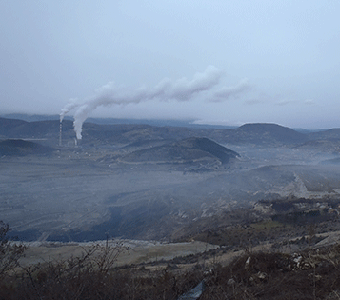
The Czech daily Hospodarske Noviny (English: “Economic Newspaper”) is reporting today that the Czech Export Bank (CEB) and export insurance agency EGAP may not be be able to finance the Pljevlja II lignite power plant in Montenegro due to new OECD rules entering force on 1 January 2017.
The two which have supported several fossil fuel power plants abroad over the last twenty years, already burned their fingers on the Poljarnaja gas-fired power plant in the Russian sub-Arctic Siberia where they lost 5.9 billion Czech crowns (nearly 220 million EUR). Also a CZK 12 billion loan for the Yunus Emre coal plant in Turkey is facing a range of problems and postponements and most recently the arrests of several executives of Naksan, the mother company of the Turkish project promoter, in the aftermath of the failed coup in Turkey this year.
Bankwatch analysis shows that claims of Pljevlja II’s feasibility are based on creative accounting, so there’s no reason to believe that CEB and EGAP would do any better this time. Seen in this light, the OECD rules are an opportunity, not a threat, for the CEB and EGAP to leave this climate-damaging and uneconomic project well alone.
Read more about the Pljevlja power plant and other planned coal installations in the Balkans.
Never miss an update
We expose the risks of international public finance and bring critical updates from the ground – straight to your inbox.
Project: Export Credit Agencies (ECAs) | Pljevlja II lignite power plant, Montenegro
Tags: OECD | Pljevlja | climate action | coal | export credit agencies | financing | pollution

