
Strategic Area Leader - Beyond Fossil Fuels
Email: ioana.ciuta AT bankwatch.orgTel.: +4031 438 2489
loana joined Bankwatch in 2014 as energy coordinator for the Western Balkans, preventing new coal capacities from being built in the region, but also campaigning for improved air quality. Since taking on the current role, she has been leading campaigns to accelerate the transition to clean, sustainable energy in Central and Eastern Europe, the Western Balkans, and lately, Central Asia. She also serves as president of Bankwatch Romania and joins efforts against unsustainable hydropower development, while fighting to keep the space for civil society. With a background in journalism and over two decades of environmental activism, she works to bridge grassroots action with policy change for a just, fossil-free future.
More from Ioana Ciută
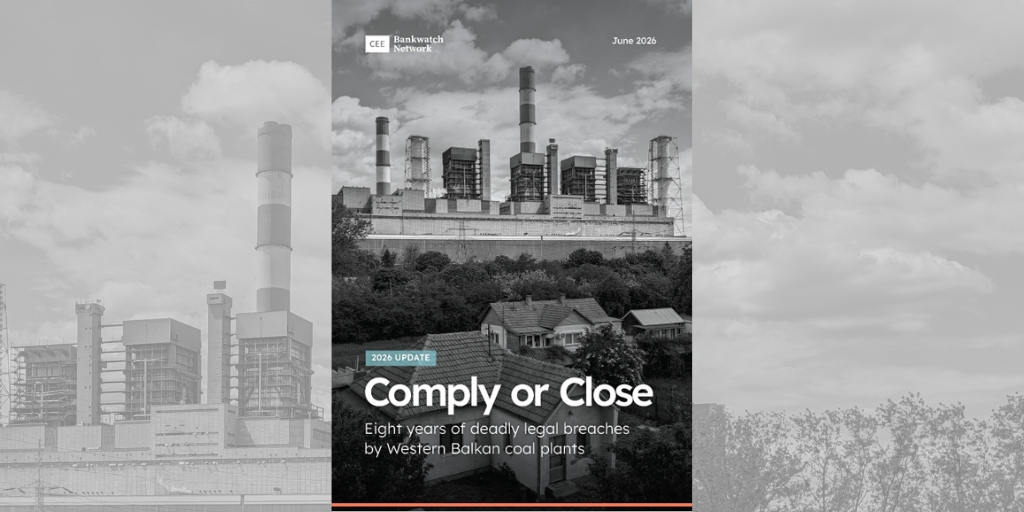
This report exposes the systematic, deadly breaches of air pollution limits by coal-fired power plants in the Western Balkans – eight years after new pollution standards entered force.
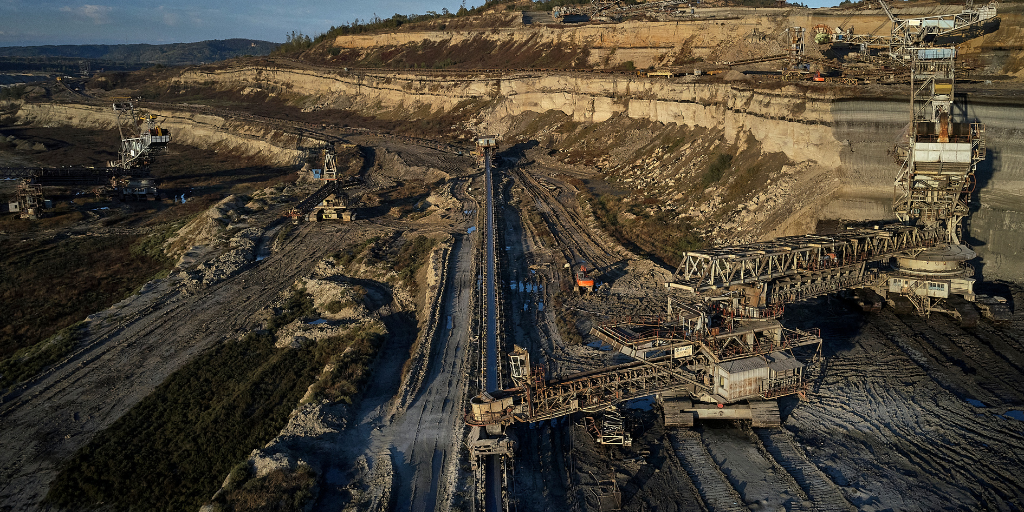
Fear and fossil fuels in Romania
February 11, 2026 | Read more
A draft law supported by thirty members of the Parliament, aims to roll back Romania’s coal phase out and, at the same time, delivers a masterclass in manipulation.
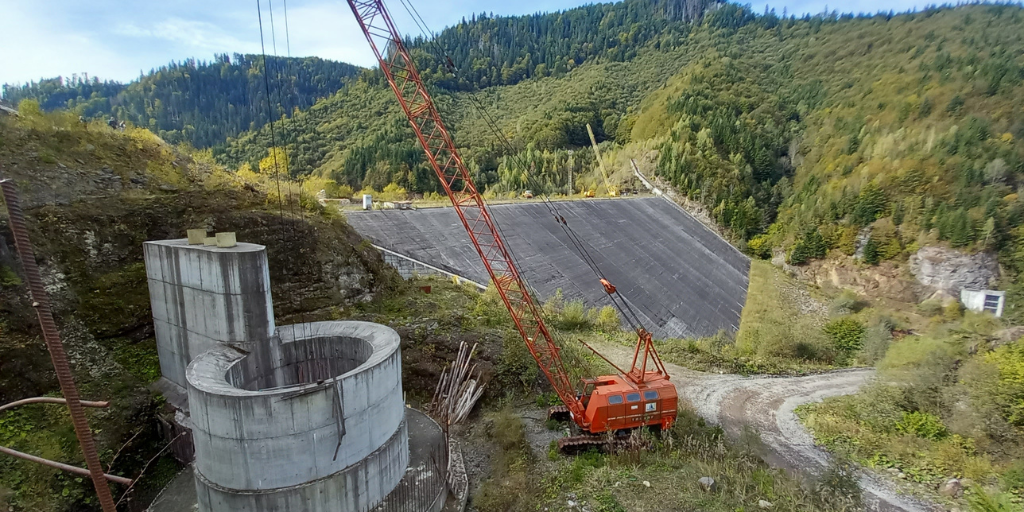
Romania stands at a dangerous crossroads. Last week, a law initiated by the senator Daniel Zamfir in 2022 and already then rejected by the Senate, passed by a crushing majority (262–33) in the decisive Deputies Chamber.
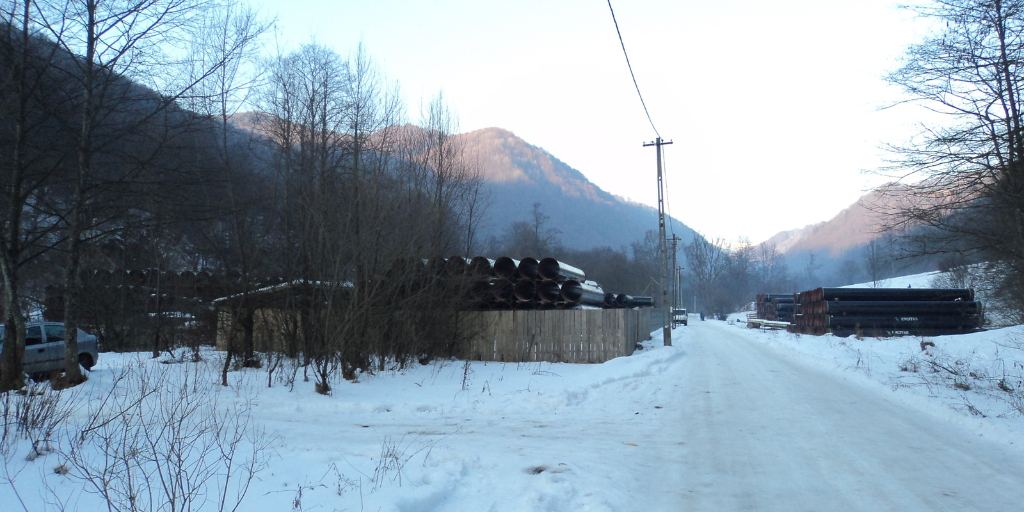
In recent years, Romania has witnessed a concerning rise in cases of environmental degradation and violations of nature protection laws. This trend has significant implications not only for the country’s natural heritage but also for the rule of law. Additionally, it poses challenges for environmental organisations and citizens that advocate for nature conservation. The long-contested small hydropower plant on the Taia river is a prominent case in point.

Under the absurd claim that the country doesn’t have enough motorways or hydropower generation capacity because of NGOs’ actions in court challenging environmental and construction permits, the Romanian parliament is going after civil society altogether and on multiple fronts.

