A budget aware of the challenges, yet falling short on solutions for a resilient future
Despite bold rhetoric on climate and environmental leadership, the European Commission’s proposal for the next long-term EU budget, published today, falls short of aligning future EU spending with the needs of a climate-neutral EU. It fails to provide a clear, enforceable vision for beneficiaries of EU funds to tackle today’s multiple challenges by directing public funds towards building a more resilient, just, and environmentally sustainable economy.
16 July 2025
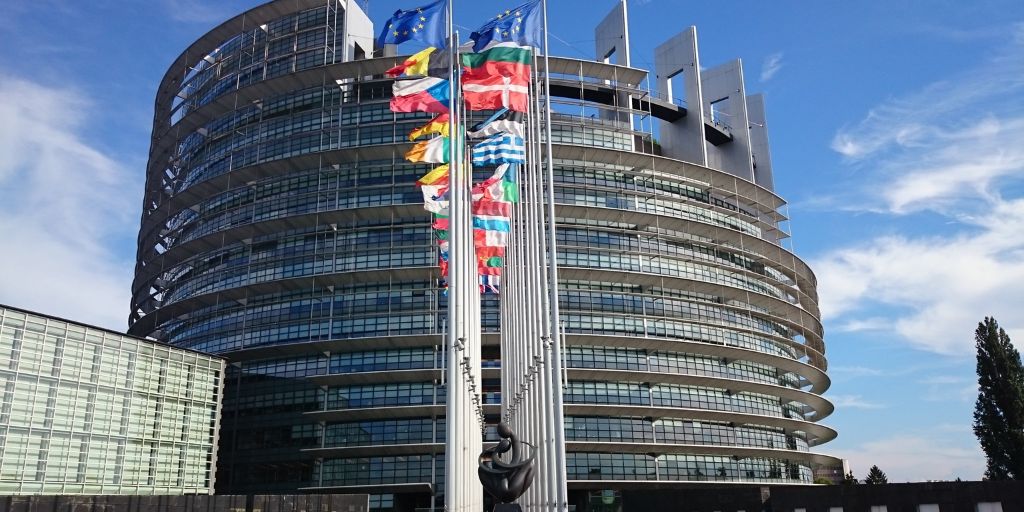
To make the budget more focused, simple, impactful and responsive, the European Commission is proposing a major overhaul.
Daniel Thomson, EU Policy Officer for Biodiversity at CEE Bankwatch Network: ‘While we agree with the problems identified, the Commission has chosen the easy way of deregulation in the name of “simplification” instead of supporting Member States in enforcing key principles to ensure quality spending. The “do no significant harm principle” should be a valuable tool in this regard, but the proposed exceptions for fossil fuels and mining will open the floodgates to use public money for highly damaging activities.’
The proposed merging of a series of existing funds, such as cohesion, just transition, and agricultural funds, would result in a lack of targeted funding for regions seeking to phase out carbon-intensive industries and derail the progress made to date. While Member States are encouraged to include regional chapters, this does not necessarily guarantee just transition regions will receive sufficient attention. So far, the Just Transition Fund has supported the Commission’s pledge to ‘leave no-one behind’ through the transformation of the energy system.
But the abolition of this dedicated fund after just a few years would leave Europe’s coal, peat, and oil shale regions without the necessary financial tools and capacity to ensure a socially just and ambitious energy transition, especially in peripheral and rural areas. The proposed budget also fails to offer dedicated just transition support for carbon-intensive regions in the Western Balkans, despite the willingness of local authorities to embark on this process.
The Commission’s proposal also dismantles the LIFE programme (1), ending its decades-long and proven track record in financing unique and innovative projects. In addition, the 35 per cent spending target for environmental objectives is still not enough, especially since this target will be dispersed between different programmes. Separate targets for different environmental objectives, such as distinguishing between climate and biodiversity, are urgently needed.
Branka Španiček, Strategic Area Leader for Finance and Biodiversity at CEE Bankwatch Network: ‘The LIFE programme – a prime example of high-quality, high-impact EU funding that contributes to the EU’s resilience and excellence – should be scaled up. Instead, the Commission’s proposal to deprioritise this vital financial instrument will lead to its disappearance and leave gaps in already weak public funding for biodiversity, capacity-building, and peer exchanges on energy transformation.’
Anelia Stefanova, Strategic Area Leader for Energy Transformation at CEE Bankwatch Network: ‘We hoped the European Commission would better consider inputs from the consultation process and Citizens’ Panel, which clearly underlined the need to fund capacity-building, education, and citizen-led solutions for a socially and environmentally just transition. This unambitious budget proposal will favour business as usual and result in the misallocation of precious funds. Only genuine public involvement through robust enforcement of the partnership principle across all EU funds can help address the shortcomings of this proposal.’
The partnership principle – a long-standing approach grounded in shared responsibility and inclusive governance – has consistently demonstrated its value in strengthening regional resilience and fostering democratic participation. Yet the principle is only applied to selected EU funding instruments. The Commission’s proposal includes requirements for the partnership principle to be applied to the development of national and regional plans.
With negotiations now in the hands of Member States and the European Parliament, there is still time to steer the budget in the right direction.
Contacts:
Anelia Stefanova, Strategic Area Leader for Energy Transformation, anelias@bankwatch.org
Branka Španiček, Strategic Area Leader for Finance and Biodiversity, bspanicek@bankwatch.org
Daniel Thomson, EU Policy Officer for Biodiversity, daniel.thomson@bankwatch.org
Notes for editors:
(1) Recent report: LIFE for nature: Why Europe’s flagship environmental programme must remain part of the next EU budget
Never miss an update
We expose the risks of international public finance and bring critical updates from the ground – straight to your inbox.
Project: After recovery towards cohesion | EU funds and biodiversity
Tags: European Commission | MFF | climate | next EU budget

