Citizens urge Montenegrin government to halt gas deal with Japanese energy giant
A group of 40 non-governmental organisations, citizens, experts and environmental activists today sent an open letter to the Government of Montenegro and the Minister of Energy and Mining, Admir Šahmanović, calling for the suspension of the signing of a memorandum of understanding with JERA, Japan’s largest power generation company. The agreement concerns the proposed development of fossil gas projects in Montenegro, including a gas-fired power plant and a liquefied natural gas (LNG) terminal with associated infrastructure. The agreement is set to be signed during the 2025 Gastech conference in Milan, taking place between 9 and 12 September.
9 September 2025
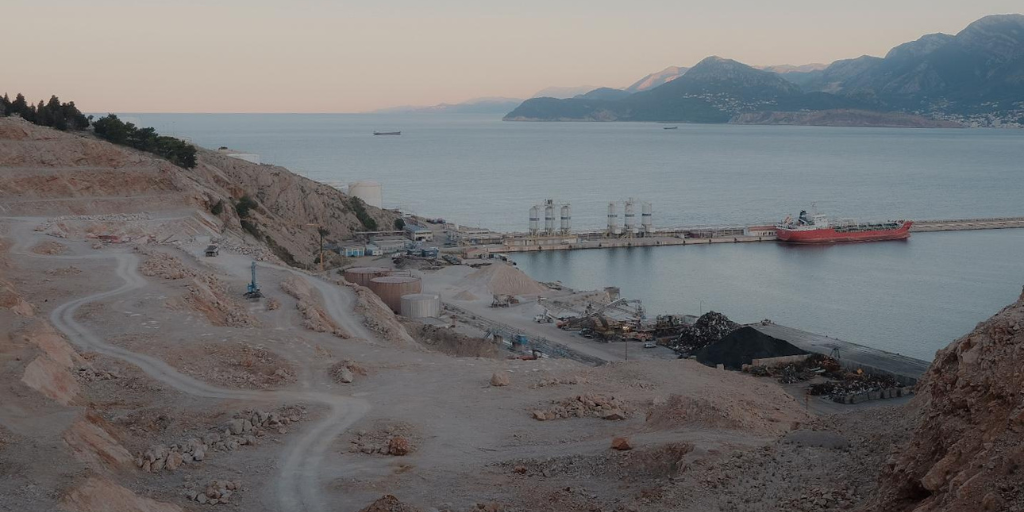
According to the signatories, the projects not only contravene the Spatial Plan of Montenegro until 2040 – which explicitly excludes gas power plants and LNG terminals – but also potentially constitute criminal breaches, prompting notification to relevant EU institutions. Local authorities and citizens have voiced strong opposition to the project over safety, environmental, and public health risks, as well as the threat of creating new debt dependencies on imported fossil fuels.
Montenegro’s national energy and climate plan, currently being finalised, has drawn extensive criticism for its stance on the development of gas infrastructure. Under its own decarbonisation commitments, the government is obliged to reconsider any projects that would significantly undermine the country’s 2050 climate targets.
Commenting on a proposal for the Minister’s participation at the conference, during which he is expected to formally sign the memorandum, the signatories refuted claims that fossil energy from third countries such as Azerbaijan or Russia would ensure security of supply. In reality, such projects could generate over EUR 1 billion in debt, creating long-term dependency and supply instability. Serbia’s experience highlights the risks: in 2023, its district heating sector recorded total losses of EUR 10 million and an additional EUR 36.4 million in debt, due to volatile gas prices and investment costs.
The signatories also warn that the project is not only economically unjustifiable but also unfeasible. Under its proposed lengthy construction timeline, the gas power plant and accompanying infrastructure would operate for only a few years before full decarbonisation in 2050.
Fossil gas cannot serve as a temporary solution in 2025. Montenegro can no longer afford projects that deepen reliance on fossil fuels and divert the country from its clean energy goals. Resources must instead be directed towards sustainable renewable energy sources and energy efficiency, including solar, wind, geothermal, heating electrification, and energy storage technologies. Any new borrowing or investment in fossil infrastructure would jeopardise the clean energy transition and increase both climate and financial risks.
The signatories call on the government to abandon the agreement and prioritise sustainable investments that strengthen long-term energy security, reduce costs for citizens, and align with EU climate policies.
More information:
Never miss an update
We expose the risks of international public finance and bring critical updates from the ground – straight to your inbox.

