Energy sector coupling in the Western Balkans: Opportunities and risks for renewable integration
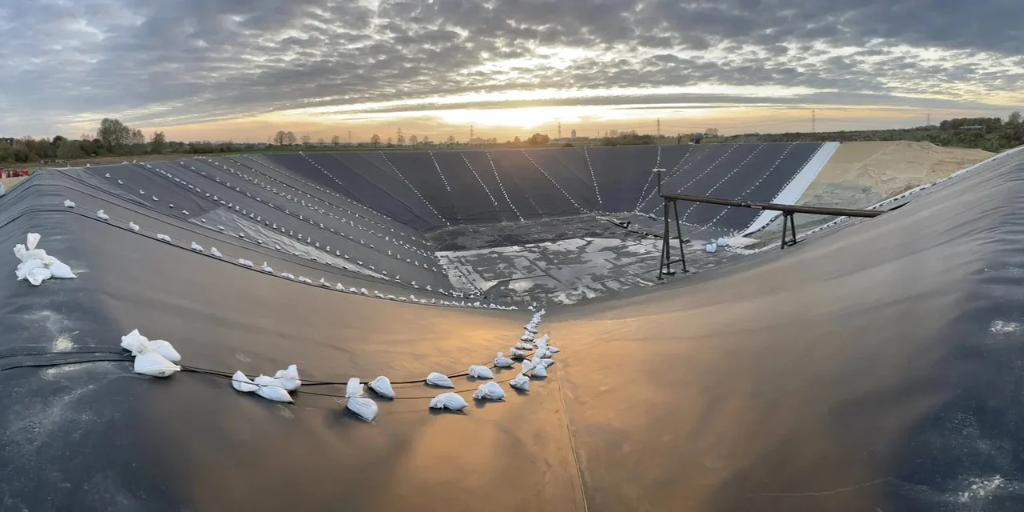
Decarbonising district heating with pit thermal energy storage in Meldorf, Germany (photo: Solmax).
Report | 27 November 2026
As renewable energy capacity in the Western Balkans surges past 13 gigawatts, thermal energy storage is emerging as a critical tool to balance the grid and decarbonise heating. Projects and plans in Novi Sad, Skopje and Pljevlja – some backed by the European Bank for Reconstruction and Development – highlight both the promise and the pitfalls of this technology.
While thermal storage can absorb surplus solar and wind power, poorly designed investments risk extending the life of coal and gas infrastructure. This report explores how public financiers and governments can ensure thermal storage drives a true fossil fuel phase-out rather than locking in emissions.
Theme: District heating | Renewable energy | Energy transition | Western Balkans
Location: Montenegro | North Macedonia | Serbia
Project: District heating
Tags: Western Balkans | district heating | energy transition | renewable energy
Never miss an update
We expose the risks of international public finance and bring critical updates from the ground. We believe that the billions of public money should work for people and the environment.
STAY INFORMED