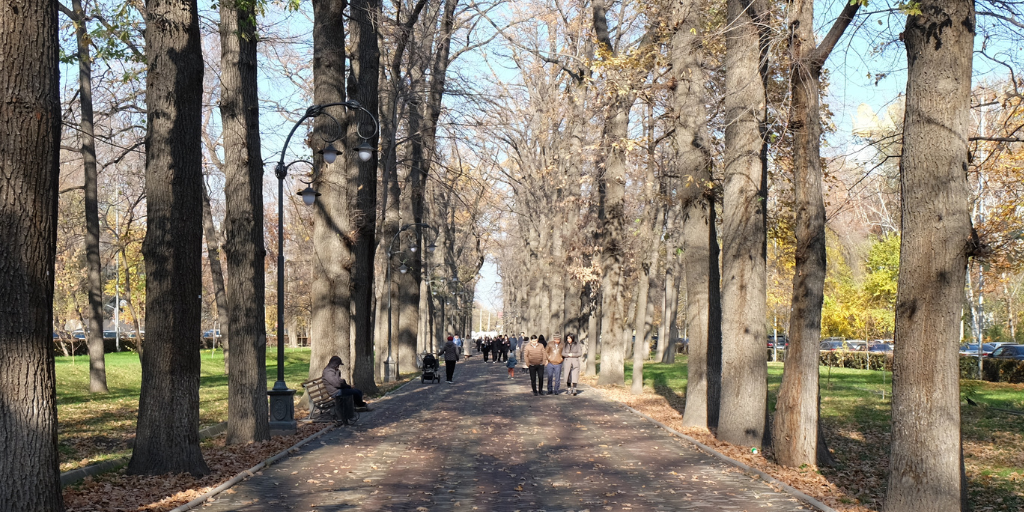
Kyrgyzstan is one of the few countries in Central Asia with an active and vibrant civil society, represented by strong human right defenders and active environmental and social issue groups. Last year, however, the Kyrgyz government proposed two repressive laws on non-governmental organisations and the media, which represent a major setback for the country’s democratic future.
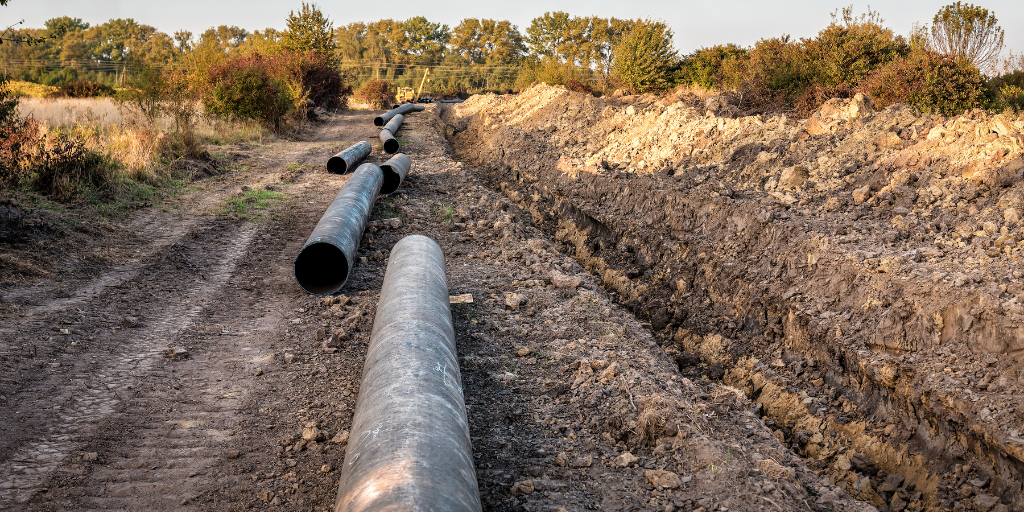
New study offers reality check on fossil gas in North Macedonia
January 30, 2024 | Read more
North Macedonia has ever-more-ambitious plans to increase the use of fossil gas. But these were developed before the recent energy crisis. In addition to the climate havoc, import dependence and fossil-fuel lock-in wrought by gas, a new study shows that pipeline construction costs have increased, high household gasification rates are unlikely, and significant household solar, heat pumps or retrofits could be financed instead.
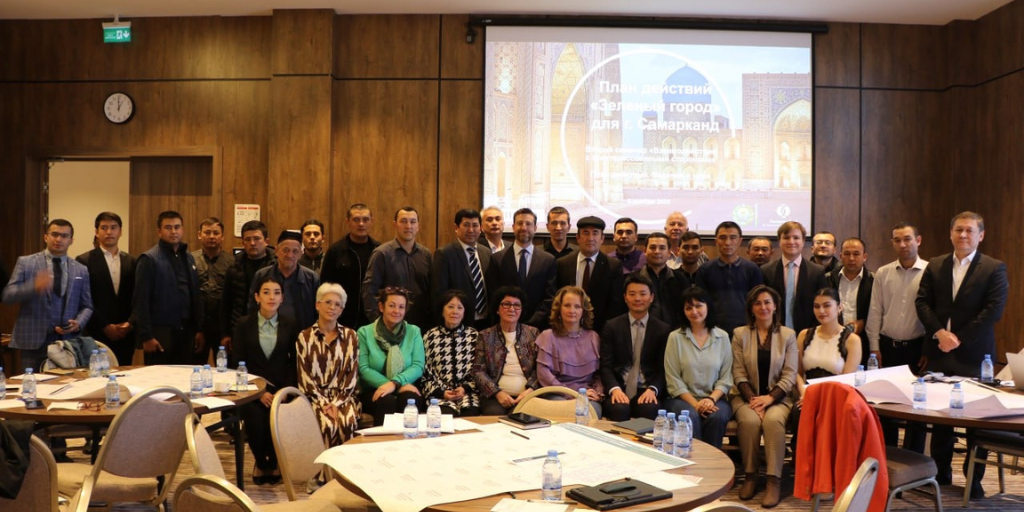
Why Samarkand’s Green City Action Plan alone is not enough
January 25, 2024 | Read more
Samarkand is the first city in Uzbekistan to join the European Bank for Reconstruction and Development’s Green Cities programme. Preparations for a Green City Action Plan (GCAP) have already begun, with stakeholder engagement workshops now underway. However, Samarkand residents are concerned that a strategic general urban plan has not been put in place to ensure the GCAP recommendations are implemented.
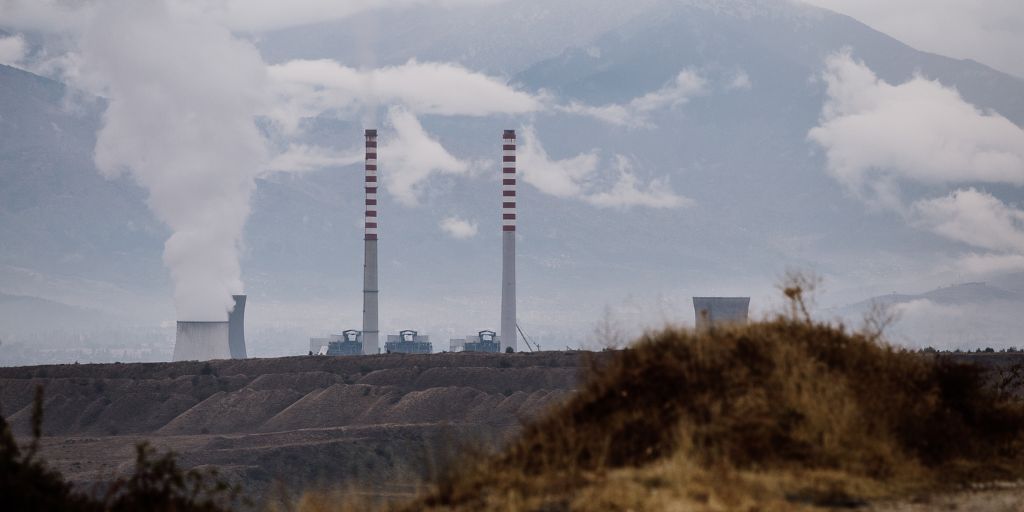
Bitola’s heating future: a pipeline to nowhere or solar solutions?
December 22, 2023 | Read more
Bitola in North Macedonia is currently pursuing a decades-old district heating plan connected to the nearby coal power plant – which will, however, close in a few years. But better alternatives exist, as discussed at a recent event in the city, and young people, especially those involved in information sciences and technology, should play a key role in moving them forward.
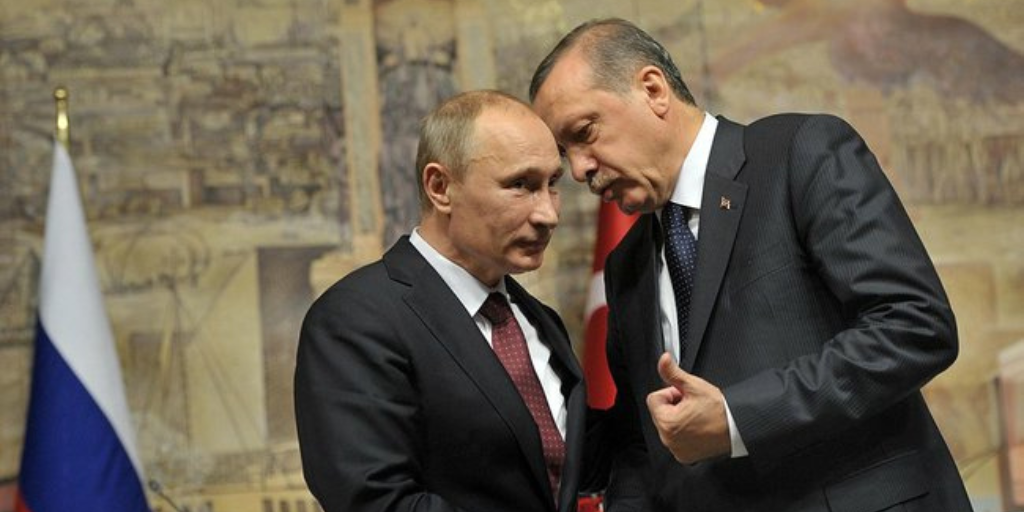
Why the Bulgaria-Turkey gas deal could be a Russian Trojan horse
December 13, 2023 | Read more
Promoted as a means to diversify gas sources, an agreement signed earlier this year by the Bulgarian government to import fossil gas from Turkey is only likely to provide a backdoor for Russian energy and undermine efforts to alleviate Europe’s dependence on fossil fuels
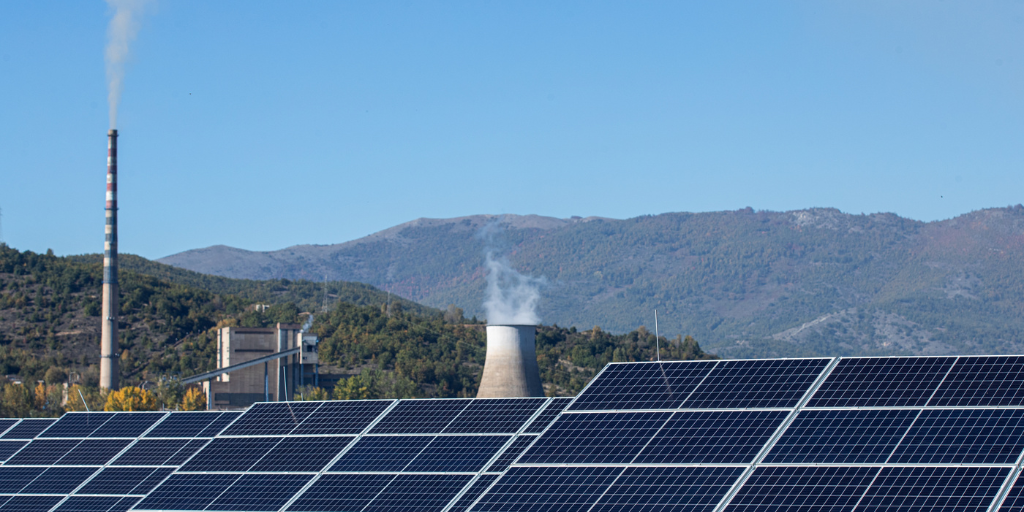
Crunch time for European development bank’s fossil fuel spending
December 12, 2023 | Read more
The European Bank for Reconstruction and Development (EBRD) is set to decide the future of its energy investments right after the latest round of UN climate negotiations concludes this week. Its Executive Directors must heed the EU’s call for a fossil fuel subsidy phase-out

