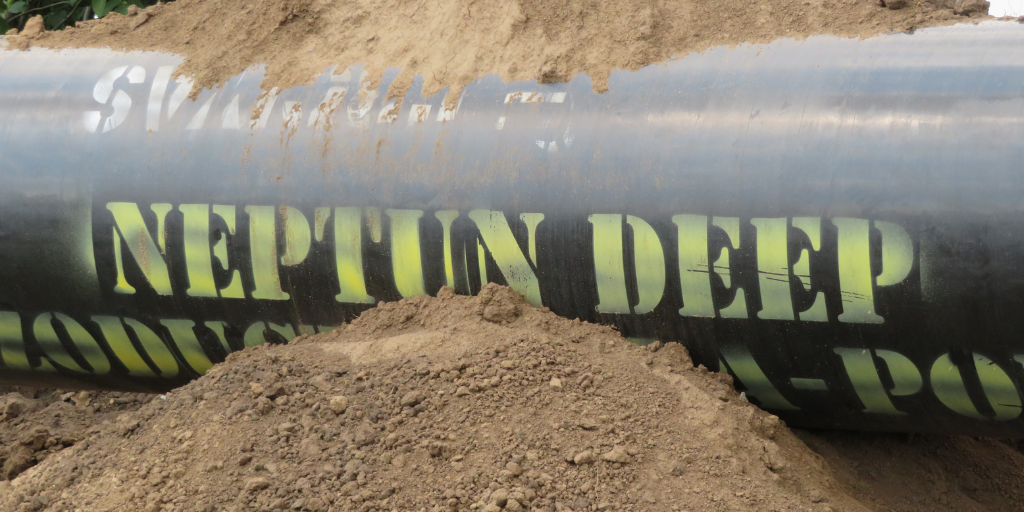
September 5, 2024 | Read more Romania has hit the EU funds jackpot, securing significant amounts for fossil gas projects. However, implementation has been sluggish. More concerningly, these projects could delay Europe’s energy transition and deepen Romania’s dependence on fossil fuels.
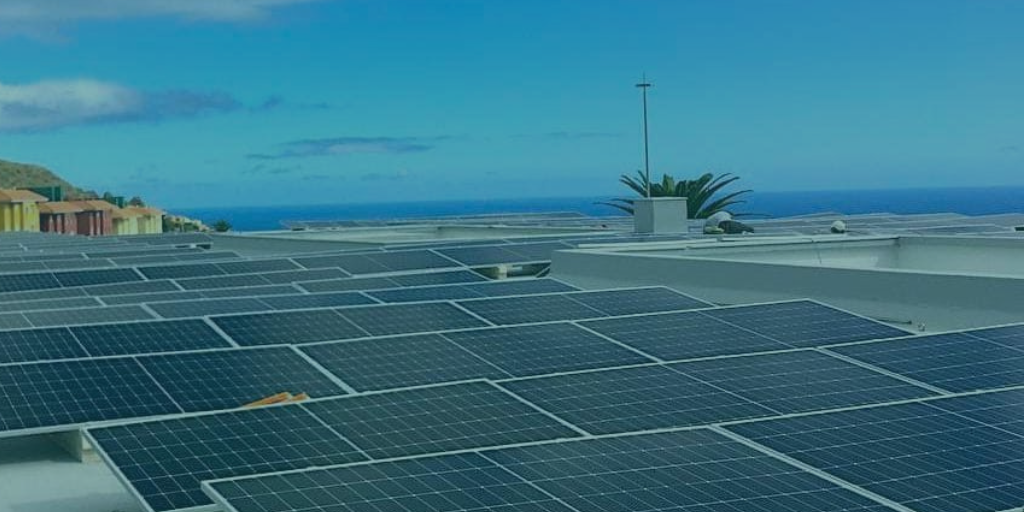
August 29, 2024 | Read more The EU’s Western Balkans Investment Framework (WBIF) has spent billions of euros on infrastructure, mainly in transport and energy. But our new analysis, examining how countries choose projects to nominate for funding, finds a chaotic situation vulnerable to politically-driven decision-making. Clearer rules, public participation and earlier information disclosure are urgently needed.
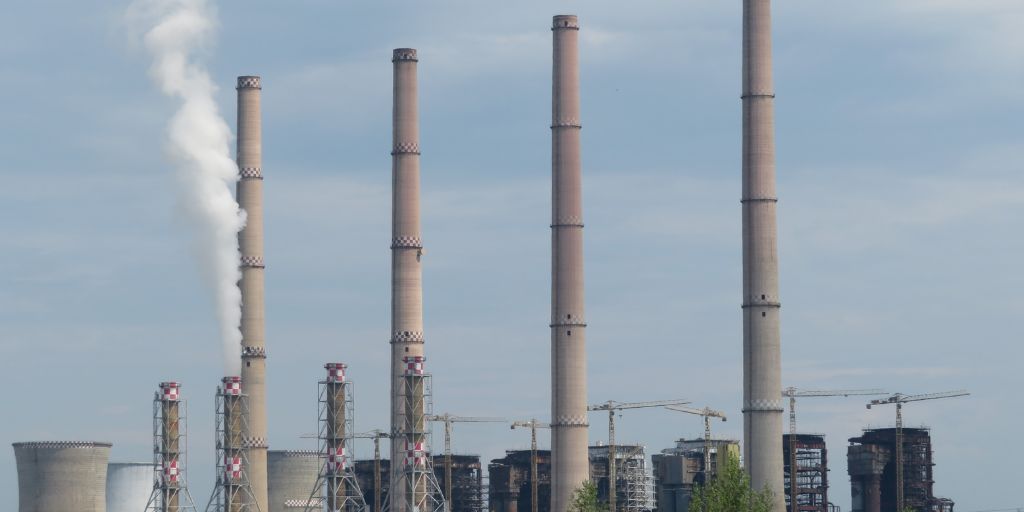
August 8, 2024 | Read more The small town of Turceni in southwest Romania has long been a lignite stronghold. But its enormous coal power plant is gradually being closed. A team from Bankwatch recently visited and spoke to the deputy mayor about the town’s efforts to ensure a just transition.
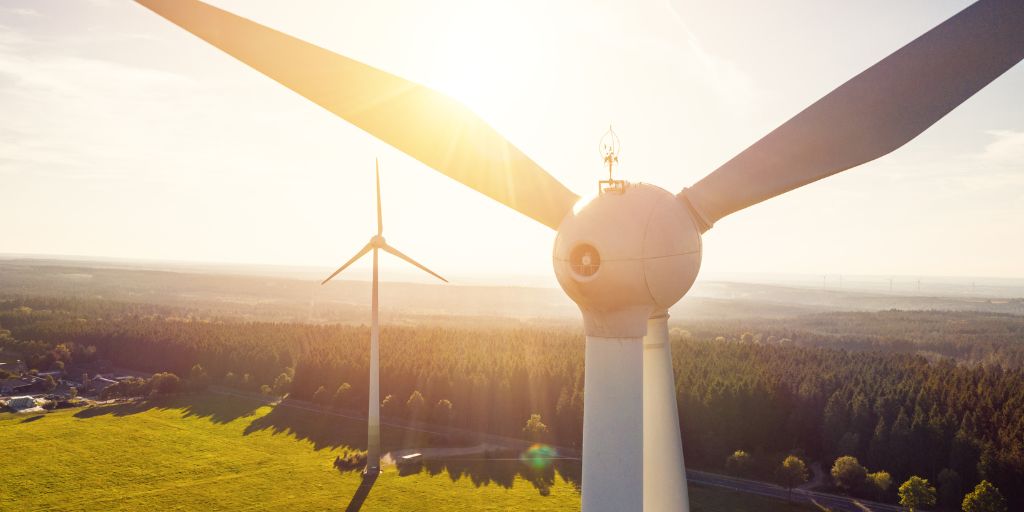
August 5, 2024 | Read more The transition to a low-carbon economic model is a radical paradigm shift that requires transformation at all levels, from individual behaviour to entire economic sectors. But it’s also an unprecedented opportunity to reinvent our relationship with the economy, one that respects nature and planetary boundaries.

August 2, 2024 | Read more Among the cases highlighting the role of young people in just transition regions across Europe, the establishment of a youth-led climate assembly in Ida-Virumaa, Estonia has been a notable success story.
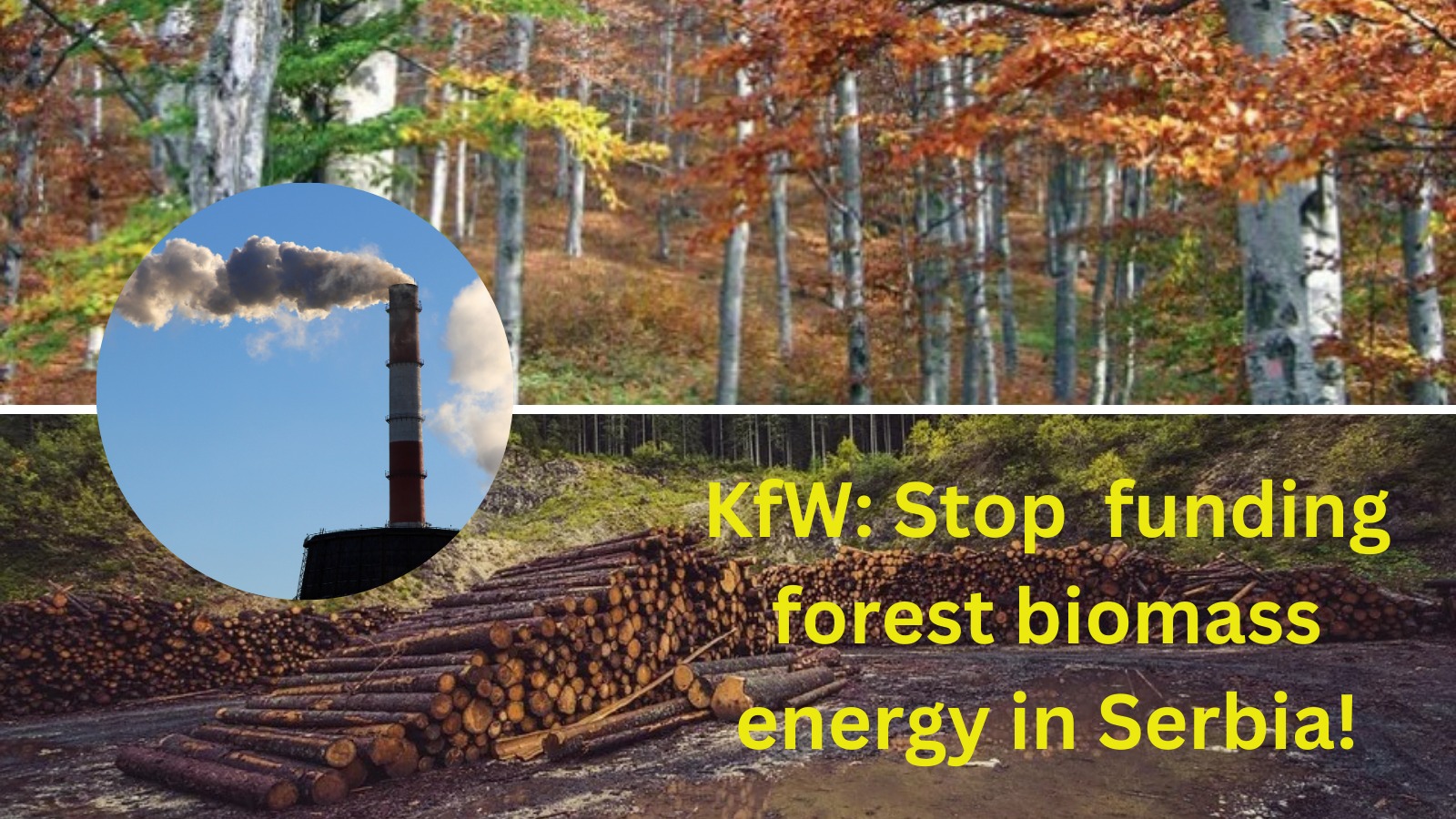
July 29, 2024 | Read more 41 environmental organisations from the Western Balkans, Germany, and across Europe have called on German state-owned development bank KfW to stop financing wood biomass energy in Serbia in order to avoid forest degradation risks and locking Serbia into further dependency on high-carbon energy sources.[1]
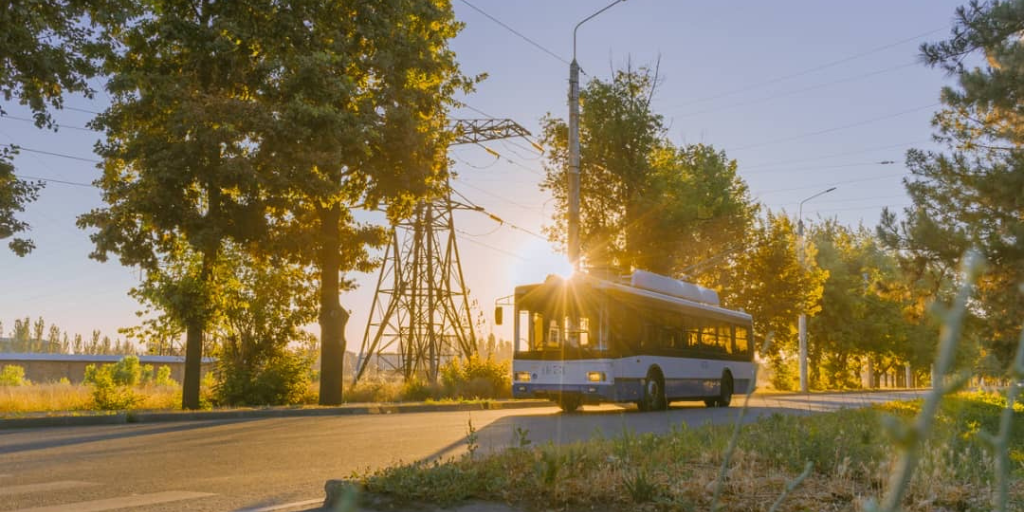
July 19, 2024 | Read more The Asian Development Bank (ADB) and European Bank for Reconstruction and Development (EBRD) need to investigate the impact of their public transport projects in Bishkek, Kyrgyzstan as the city’s urban mobility system gets a complete overhaul without transparency or public participation.

July 16, 2024 | Read more During much of the past 13 months – the longest streak of record-breaking global temperatures – EU governments have been revising their climate strategies. Yet, instead of increasing ambition at a time of a climate emergency, as they have committed to do, policymakers in central and eastern Europe appear keen to sustain their countries’ addiction to fossil gas.
July 16, 2024 | Read more Countries of the Western Balkans have enough prospective utility-scale solar and wind projects to generate four times more electricity than from gas-fired plants, saving billions of euros and avoiding significant carbon emissions in the process, according to a new report from Global Energy Monitor.
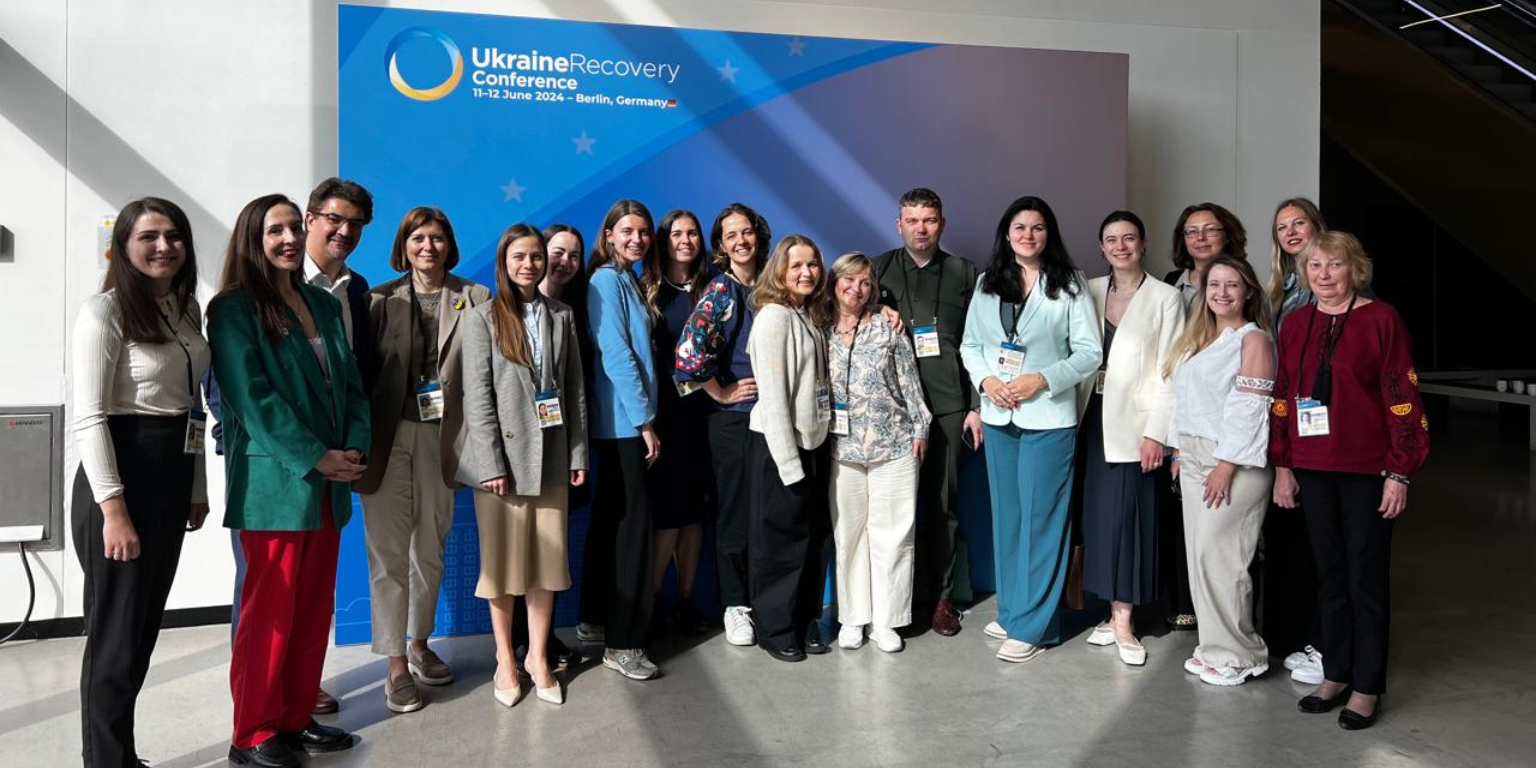
July 12, 2024 | Read more It’s time to reflect on the 2024 Ukraine Recovery Conference (URC2024), held in Berlin in June. Bringing together over 3,400 participants across four thematic dimensions, with the Recovery Forum as the centrepiece, the conference highlighted the critical role of municipalities in Ukraine’s recovery efforts. Key discussions revolved around the distribution of financial resources, strengthening capacity, and nurturing partnerships.
Stay informed
Receive our monthly overviews of the latest developments on the ground.

