European Commission fuels hydrogen fantasies – but MEPs can still halt the next array of fossil fuel follies
A bill tabled today by the European Commission foresees a massive build-up of hydrogen projects, despite growing expert consensus that hydrogen can only thwart Europe’s decarbonisation efforts.
1 December 2025
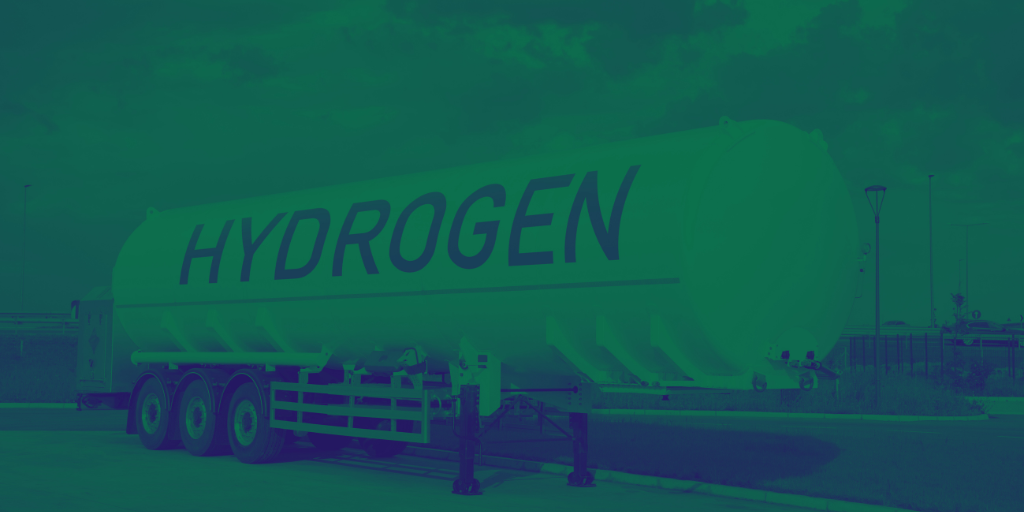
The Commission’s Delegated Regulation on Projects of Common Interest (PCIs) and Projects of Mutual Interest (PMIs), unveiled today, includes a list of European transboundary energy infrastructure projects that the Commission and Member States intend to prioritise and subsidise. Over a hundred of these are hydrogen infrastructure projects, the bulk of which are pipelines designed to carry fossil-gas-based hydrogen.
Members of the European Parliament (MEPs) and the Council of the European Union now have two months to scrutinise the proposed regulation and raise any objections. If none are forthcoming, the regulation will enter into force. Though the PCI/PMI list itself cannot be amended at this stage, MEPs – recognising the urgency of raising the EU’s climate ambition – can and should reject the list for the misguided direction it takes.
The PCI/PMI process is meant to facilitate the EU’s energy transition by identifying cross-border projects of strategic importance. Projects awarded this preferential status enjoy privileged access to EU public financing and expedited permitting.
Worryingly, over 80 per cent of the hydrogen projects on the PCI/PMI list have been proposed by the fossil fuel industry, with more than 90 per cent of the hydrogen pipelines tabled by members of the European Network of Transmission System Operators for Gas (ENTSOG) – the lobby group for Europe’s gas transmission operators – according to an analysis by Food & Water Action Europe.
The result is an important policy instrument that risks perpetuating Europe’s fossil gas habit and birthing an entire cohort of costly stranded assets.
Civil society has repeatedly urged decision makers to limit hydrogen development to hard-to-abate sectors and to ensure it runs exclusively on renewable sources of energy. Several bogus projects proposed for PCI/PMI status have since been dropped following heavy scrutiny, not least from civil society, yet many others remain.
‘Most of the hydrogen projects on the PCI/PMI list will transport, store or receive large quantities of fossil-based hydrogen. The proposed hydrogen network is disproportionate. The electrolysers included are not linked to any additional dedicated renewable sources of energy, which will vampirise the remaining energy needed for the transition. For these reasons, this list must be rejected,’ says Eliot Garnier-Karcenti, Senior Energy Advisor at Food & Water Action Europe.
‘We join the EU’s own advisory bodies – the European Scientific Advisory Board on Climate Change (ESABCC) and the EU Agency for the Cooperation of Energy Regulators (ACER) – in questioning the credibility of the PCI and PMI selection process and its implications for the EU’s decarbonisation efforts. The process still grants a central role to ENTSOG, an industry body representing the very companies that stand to profit from PCI and PMI status. This inherent conflict of interest undermines trust in the system. The TEN-E Regulation – and the PCI/PMI process it governs – must shift decisively towards rapid electrification and demand-side flexibility, rather than keeping these solutions on an equal footing with fossil fuel interests,’ says Gligor Radečić, Gas Campaign Leader at CEE Bankwatch Network.
For additional information, please contact:
Eliot Garnier-Karcenti
Senior Energy Advisor, Food & Water Action Europe
egarnierkarcenti@fweurope.org
+33 6 34 31 56 20
LinkedIn: https://linkedin.com/in/eltgk/
Gligor Radečić
Gas Campaign Leader, CEE Bankwatch Network
gligor.radecic@bankwatch.org
Never miss an update
We expose the risks of international public finance and bring critical updates from the ground – straight to your inbox.

