Whether in Europe or beyond, public money must not become an auxiliary for human rights violations or the marginalisation of affected communities.
We expose cases where development banks fail to protect those impacted by their projects.
We advocate for participation and consultation processes that are not pro-forma exercises, but a tool to ensure people’s well-being.
We run a helpdesk where activists and communities can get advice on how to challenge controversial projects being considered for funding by development banks.
Close to frontline communities
We’re in direct contact with affected communities and provide updates from their struggles.
Image (c) Rosa Vroom
IN FOCUS
The Reconstruction of Ukraine
The scale of destruction caused by Russia’s aggression against Ukraine has been staggering. To repair the damage, joint efforts to coordinate donations and properly plan Ukraine’s reconstruction must start as soon as possible.
A successful reconstruction of Ukraine cannot happen without involvement of the Ukrainian people. That’s why we’re calling on international donors to ensure that the financial structures to help impacted communities are put in place and that civil society groups have a say in this process.
We believe that Ukraine and the international community have a unique opportunity to modernise the country while addressing people’s needs and long-term sustainability.
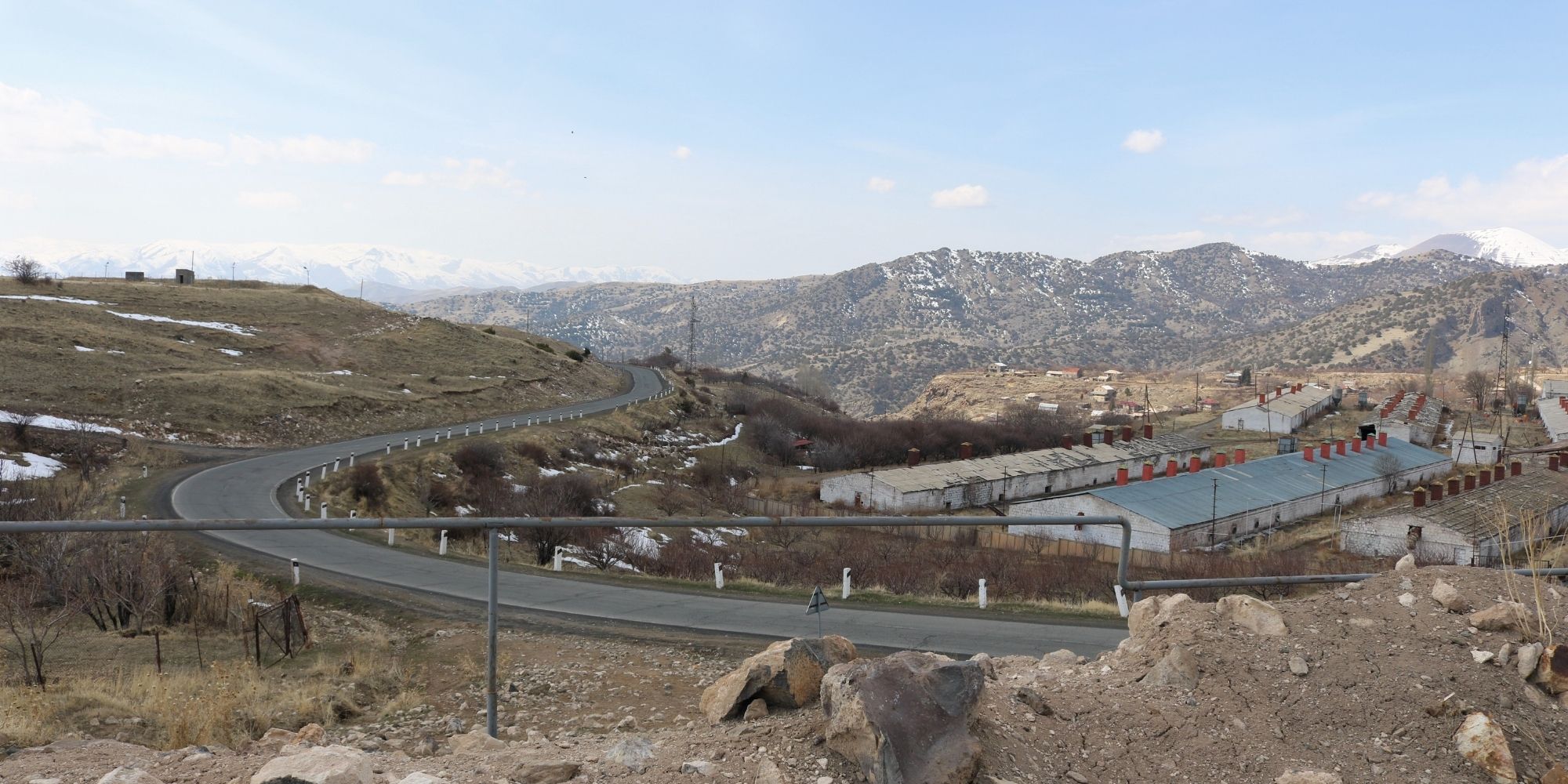
Amulsar gold mine, Armenia
The controversial Amulsar gold mine near the touristic spa town of Jermuk was supported by the EBRD equity investments, but blocked by locals after the velvet revolution in 2018. In spite of a number of legal threats and intimidation by the company, the blockade continued till the eruption of military conflict overNagorno Karabakh (Artsakh) at the end of 2020.
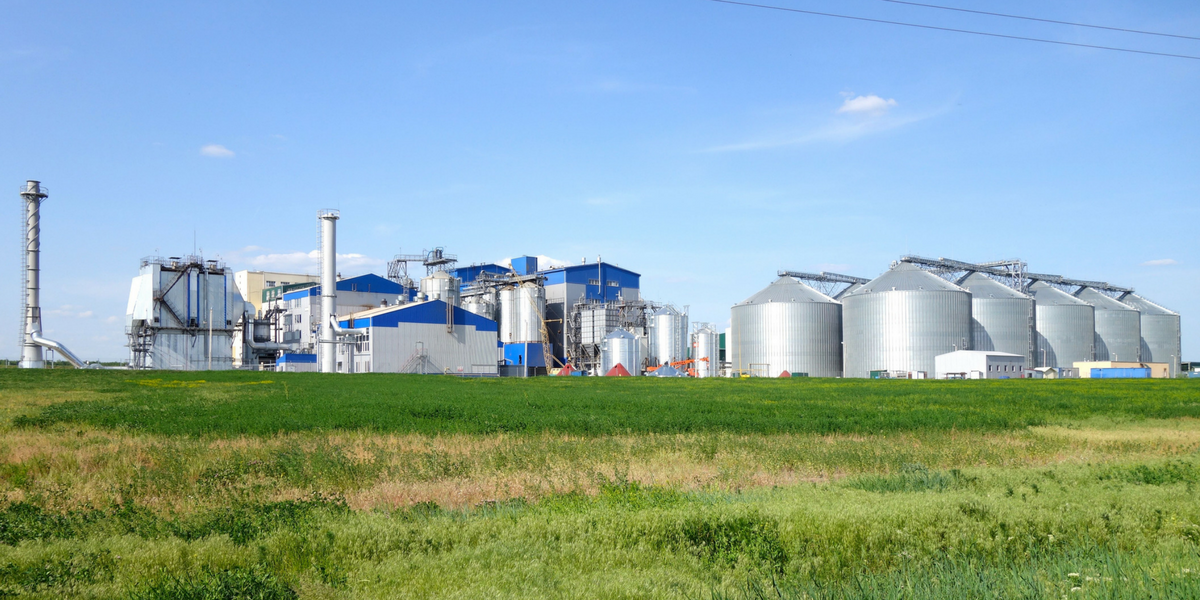
Myronivsky Hliboproduct (MHP), Ukraine
The leading Ukrainian agribusiness giant has been enjoying generous support in public funds and national subsidies. With over half a billion euros from the EBRD, EIB and the IFC, Myronivsky Hliboproduct PJSC (MHP) has grown into a near monopolist in poultry production. While MHP’s vertically integrated model has contributed to its status as a leading Ukrainian agribusiness, the scale and nature of its business have also contributed to mounting concerns about its social and environmental impacts. These concerns are compounded by patterns of poor community consultation and a lack of information provided about MHP’s operations, leaving project-affected people guessing about the true impacts of its operations.
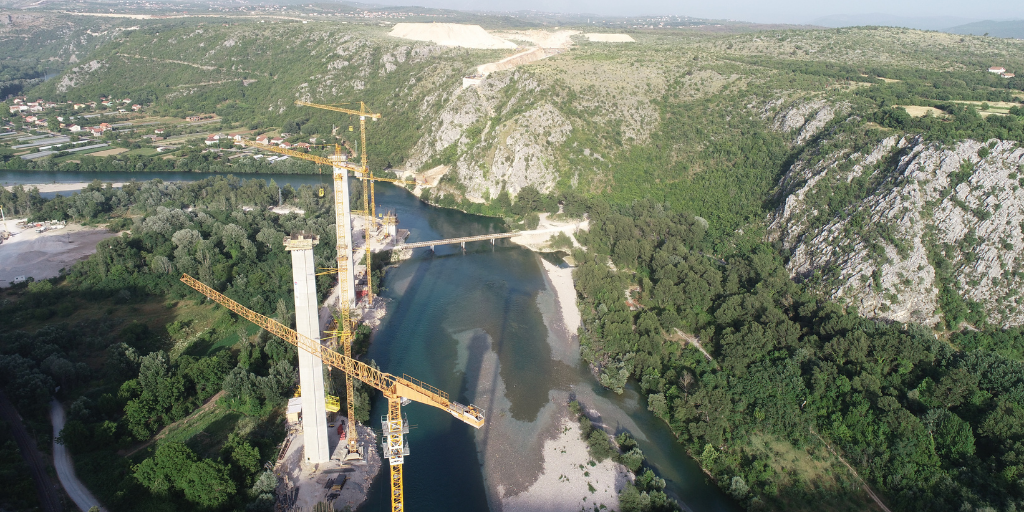
Corridor Vc motorway, Bosnia and Herzegovina
The Bosnian section of the international Corridor Vc is planned to run for 330 km through Bosnia and Herzegovina. Concerns about environmental impacts and threats to cultural heritage were raised by local people and cultural figures. The public discussions about the project have led to a series of scandals and a deadlock of the motorway’s development.
More of our projects

ARCHIVED: Kresna gorge / Struma motorway, Bulgaria
The Struma motorway is tragically emblematic of an EU-funded project that has wrought havoc on European biodiversity and the wishes of local communities. In spite of two decades of protest by civil society and citizens, part of the Struma motorway section is planned directly through the Kresna gorge, a Natura 2000 site and Bulgaria’s richest biodiversity hotspot.

ARCHIVED: Southern Gas Corridor
This system of mega-pipelines meant to bring gas from Azerbaijan to Europe, is unnecessary for Europe’s declining gas demand. But the billions in public investments will boost Azerbaijan’s dictatorial regime and cause upheaval for transit communities in Turkey, Greece, Albania and Italy.
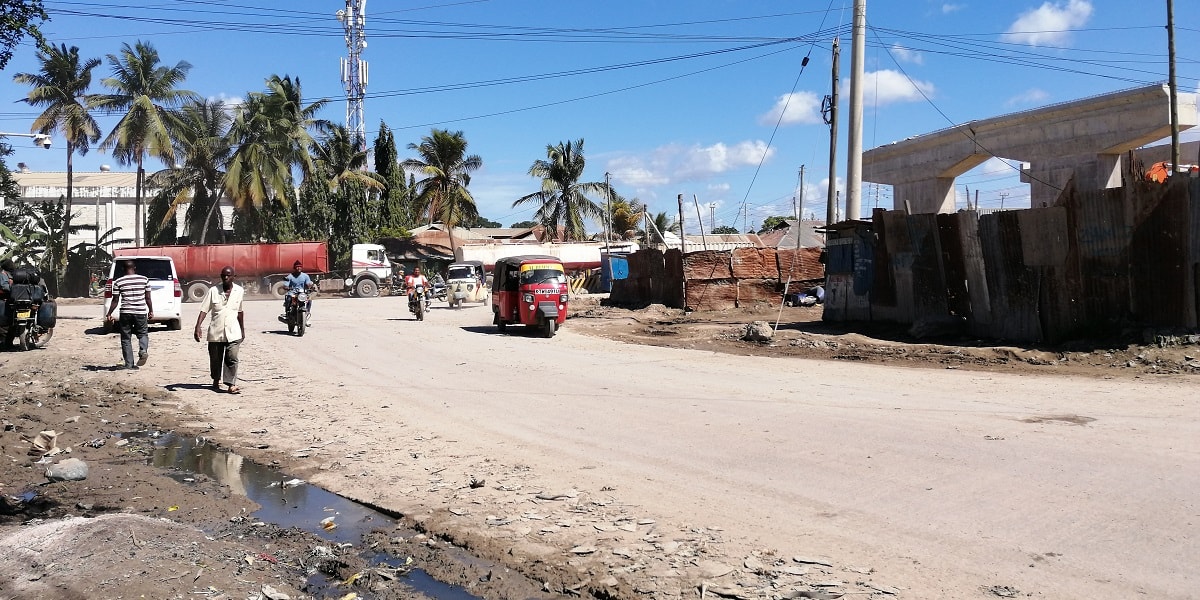
ARCHIVED: Mombasa-Mariakani road project, Kenya
Locals affected by the road project are facing forceful eviction and have not been properly consulted or compensated. The project promoter reacts to criticism with intimidation.
Latest news
A new chapter for the EIB Group Complaints Mechanism?
Blog entry | 9 July, 2026The European Investment Bank (EIB) Group is currently reviewing its Complaints Mechanism Policy – the framework for how the EIB Group Complaints Mechanism (EIB-CM) addresses complaints from individuals and communities harmed by EIB-funded projects. This review is long overdue.
Read moreHow the EU engages communities in the distribution of funds and why Ukraine needs this experience
Bankwatch in the media | 25 June, 2026According to a study by the CEE Bankwatch Network, in Poland, NGOs participate in the work of the monitoring committee of the Funds for Infrastructure, Climate and Environment program. Read the full article (in Ukrainian) here: https://www.eurointegrat
Read moreInvestments in reconstruction: how Ukraine can meet EU requirements and make fundraising transparent
Bankwatch in the media | 25 June, 2026Ukraine is preparing for a period of great reconstruction. And we are talking not only about the restoration of what was destroyed, but also about public investment projects and programs. In the coming years, significant funds will pass through them, b
Read moreRelated publications
Vinnytsia Poultry Farm: Agri-oligarchy and its impacts in Ukraine
Briefing | 25 June, 2026 | Download PDFThis briefing showcases the vast and sprawling Vinnytsia Poultry Farm and its impact on the lives of local villagers ever since construction began in 2010.
The Social Climate Fund and the ‘do no significant harm’ principle: Lessons for Ukraine’s public investment management system
Report | 24 June, 2026 | Download PDFThis briefing examines how Ukraine can strengthen the environmental safeguards in its public investment system by learning from the EU’s Social Climate Fund (SCF). It finds that Ukraine names the ‘do no significant harm’ principle in its public investm
Briefing to the EIB Board on Rogun Hydropower Project in Tajikistan
Briefing | 12 June, 2026 | Download PDFThe Rogun Hydropower Project in Tajikistan raises serious concerns regarding freshwater ecosystems, the resettlement of 60,000 people, regional water security and human rights within the context of severely restricted civic space. As the European Investment Bank (EIB) is appraising the project, civil society groups are calling on the EIB’s Board of Directors to ensure compliance with the Bank’s Environmental and Social Standards and relevant EU standards.

