A permit to operate must not become a licence to destroy nature
3 November 2026
Story by Valters Kinna, CEE Bankwatch Network
A destroyed EU priority Western taiga forest habitat (9010*) belonging to the state and recently sold in auction for clear-cutting by the Forest Research Station. It contained stands of nearly 400–year–old pines. Photo: Ilze Ķuze/mezasugas.lv.
Earlier this year, a proposal was put forward in the Latvian Parliament to transpose the EU Environmental Crime Directive. But industry interests lobbied for a loophole that threatened to further weaken protection for species and habitats. With nature in Latvia already under severe pressure, joint advocacy by environmental organisations and constructive engagement from members of Parliament helped secure a last-minute compromise that was adopted in early October.
A general permit to fell trees or carry out other economic activities should never serve as a blanket exemption from liability for destroying protected species and habitats. Yet this was precisely the risk Latvia’s nature faced in amendments to the country’s Criminal Law earlier this year.
Paradoxically, this came just as Latvia became the first Council of Europe member state to ratify the Convention on the Protection of the Environment through Criminal Law. Yet this milestone was almost undermined by a loophole that would have weakened accountability for the very environmental crimes Latvia had pledged to combat.
The amendment package in question was intended to transpose the new version of the EU Environmental Crime Directive adopted in 2024. However, alongside stronger provisions on environmental accountability, powerful forestry and agricultural interests introduced a terrible exemption from criminal liability for damage to nature caused during legally permitted economic activities – a loophole which would have contravened the Directive.
How much more can Latvia’s wildlife tolerate?
In Latvia, 90% of habitat types protected under the Habitats Directive have an ‘unfavourable’ conservation status, meaning they are extremely threatened and disappearing. Gaps in legislation, insufficient mitigation measures and weak penalties continue to leave protected habitats vulnerable to destruction.
This is well illustrated by Latvia’s rapidly disappearing forest habitats. Between 2020 and 2023, approximately 9,100 hectares of mapped habitats listed in Annex I of the Habitats Directive were destroyed in the country, primarily through felling. Most of this destruction occurred ‘legally’, reflecting the refusal of the politicians in power to legally protect Latvia’s most ecologically valuable forests, which comprise no more than 10% of all forest land. It also illustrates insufficient safeguards for these habitats outside Natura 2000 areas. Yet 80% of these habitats are on public land, and public institutions or enterprises such as the Forest Research Station and Latvia’s State Forests – the very bodies that should lead by example – play a significant part in their destruction.
Protected species have stronger legal safeguards, as Latvia’s Law on the Conservation of Species and Habitats explicitly prohibits their destruction. Every year between 13 and 20 administrative penalties are issued for harming protected habitats and species (many of them for species destruction), but enforcement is limited. Administrative fines are capped at EUR 1,000 for individuals and EUR 1,750 for companies – often much less than the profits from continuing harmful activities, as illustrated by a recent case of a wind park refusing to halt operations despite repeated deaths of protected bat species.
However, higher amounts, reaching tens of thousands of euros, may be charged as compensation for the destruction of certain protected species, depending on the species’ category under the relevant regulation, whether the damage occurred within a protected area, and other factors.
Unfortunately, even the authorities issuing permits do not always uphold conservation law: the State Forest Service systematically continues to authorise logging at sites known to host protected species without even consulting the Nature Conservation Agency, thus fully transferring the responsibility to uphold the law to the individual or the company performing the economic activity.
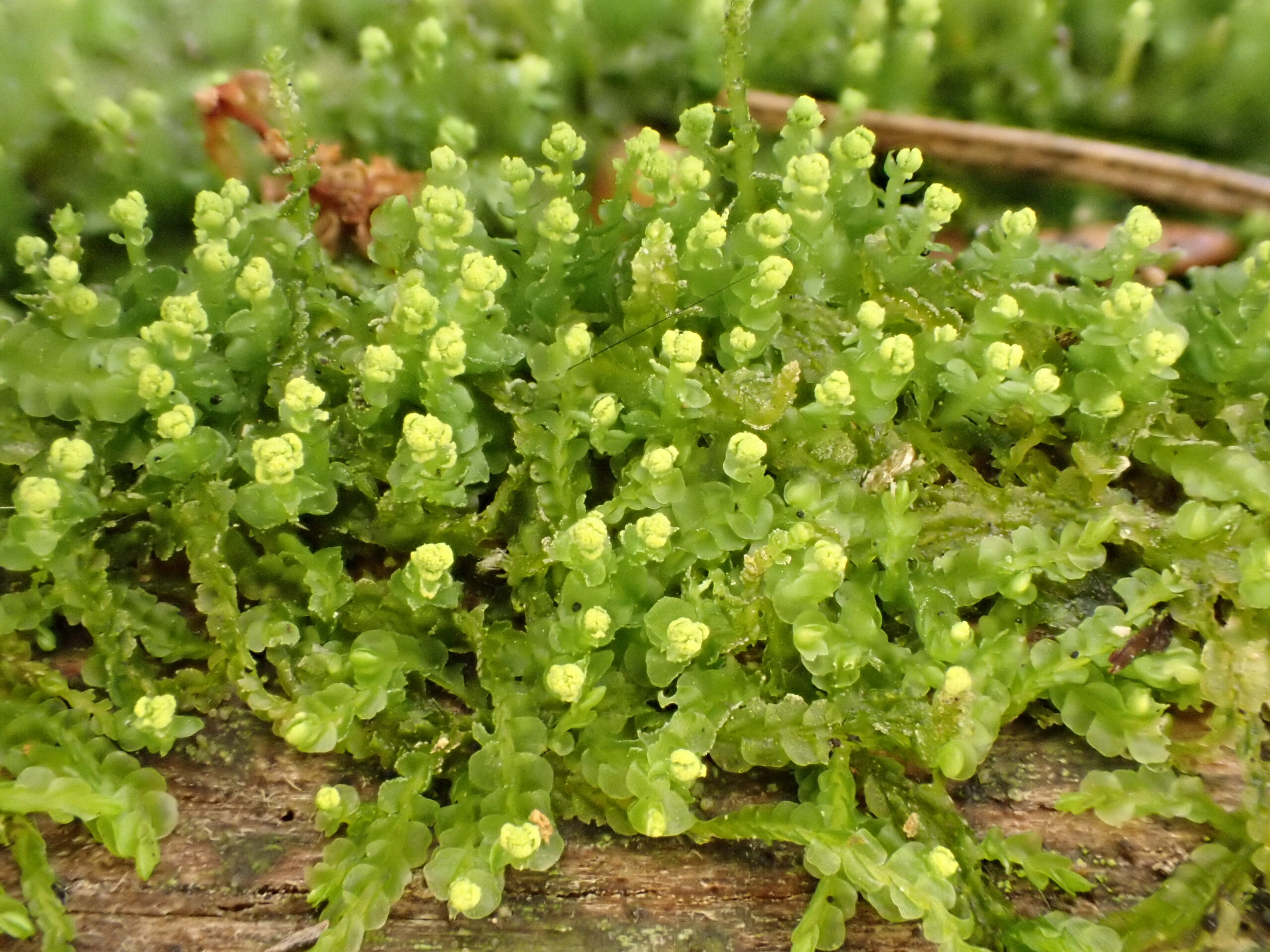
Latvia has had criminal sanctions for serious damage to protected species and habitats since 1999 under Article 115 of the Criminal Law, which, following the newest changes in the Law, can land the guilty party in prison for up to eight years.
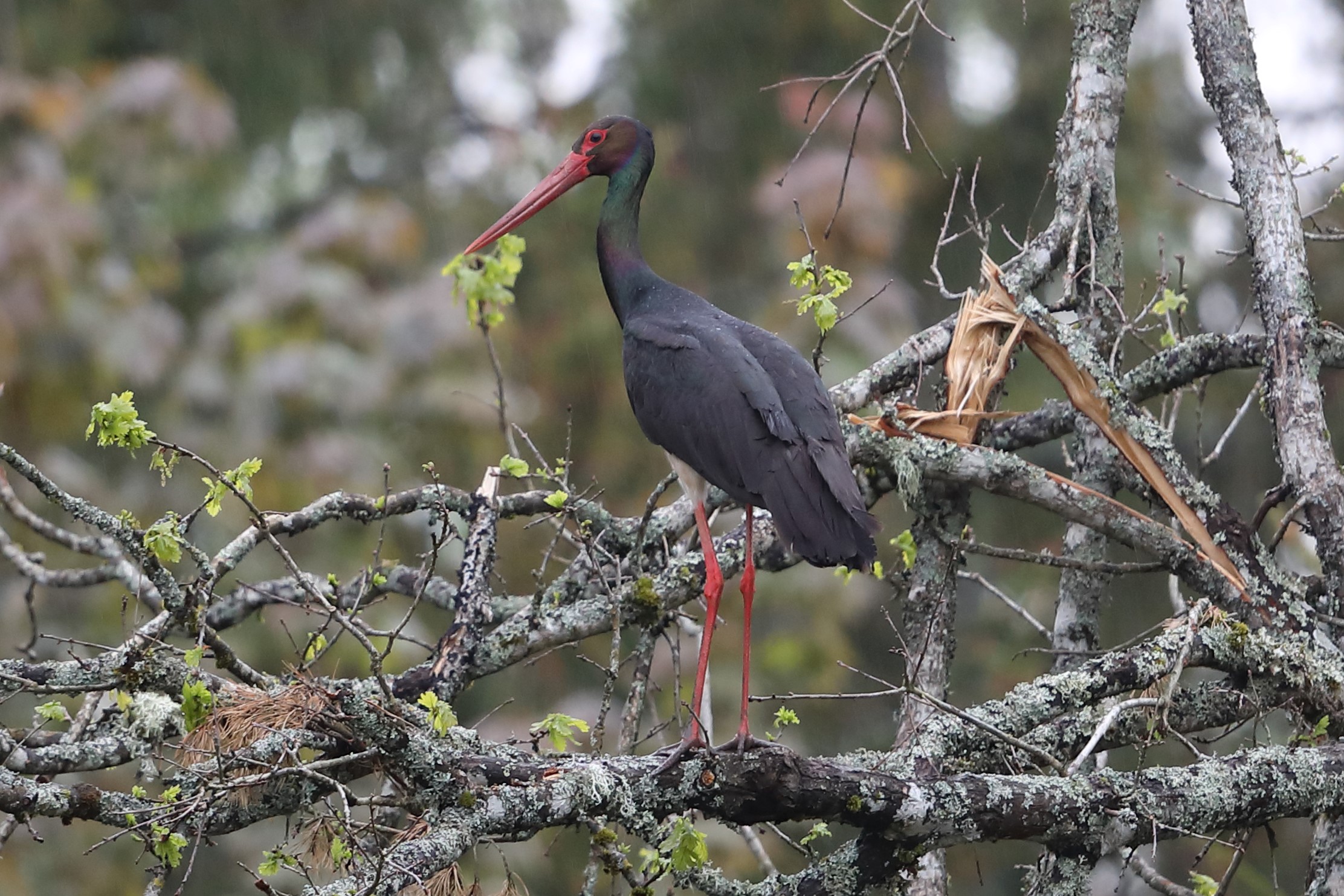
However, enforcement of this article remains rare due to limited institutional capacity and the difficulty of proving the significance of harm, malicious intent and other conditions required to trigger criminal liability. Currently, only two convictions can be found in the publicly accessible court database regarding destruction of species (and none regarding habitats): one involving a man who smashed the eggs in a black-headed gull’s nest with an oar, and another involving the destruction of a stork’s nest and the removal and discarding of chicks that had already hatched.
A free pass to destroy nature
While the government was developing the new amendments to the Criminal Law, industry lobbyists proposed a new, additional Article 115, on the pretence that more legal certainty for businesses and individuals was needed. The proposal, had it been adopted, would have exempted a person or company from criminal liability for killing, damaging or destroying specially protected species or their habitats if harm had happened while performing economic activities permitted by legislation, such as logging a forest or ploughing a field.
A central argument for the exemption was that conscientious landowners needed protection against criminal punishment for accidental or unforeseeable damage. However, this safeguard is already included in Article 10 (as emphasised by the explanation accompanying the legislative proposal) and the few convictions to date prove that it’s working.
In practice, the proposed provision risked shielding owners and operators from criminal liability even when they knew protected species were present and caused significant harm anyway, thus effectively decriminalising and encouraging intentional nature destruction, adding to the myriad of problems already faced by the institutions trying to safeguard nature.
As highlighted during our campaign, the issuing of a felling permit does not necessarily mean that all information about known protected species sites has been considered or communicated to the landowner by the authorities. Also, forest owners themselves may be aware of protected species or habitats on their properties without disclosing this information to the authorities. Finally, information may be incomplete, and a protected species may also be discovered after a permit has been issued. For example, it is easy to imagine an operator finding a protected bird’s nest while preparing to harvest timber.
The existence of a felling permit should not automatically settle whether destroying that nest is lawful or whether significant damage warrants criminal investigation. Receiving a permit for an economic activity cannot reasonably mean that every other legal obligation can be ignored, including nature conservation laws. It would be like exempting someone from criminal liability for driving under the influence of drugs simply because they obeyed the speed limit or have a driver’s licence.
What nearly happened
Most of the heated discussion about the controversial article happened in the Parliament’s Legal Affairs Committee. Both industry organisations and NGOs belonging to the Environmental Advisory Council and the Green Barometer initiative sent advocacy letters to Members of Parliament. The Committee initially recommended removing the provision, but a clear majority in the Parliament retained it at the second reading in August.
After all hope seemed lost, following sustained advocacy and further discussions in the Legal Affairs Committee, a compromise emerged that industry representatives could not justifiably oppose, and environmental organisations could accept without sacrificing essential safeguards. It clarified that only those who complied with general environmental legislation and permit restrictions, and who were unaware that protected species or habitats were present, would be exempt from criminal liability. This was thankfully approved by the final vote – again by a clear majority.
This compromise shows that careful scrutiny and constructive proposals can improve legislation, including at a late stage.
It also offers a wider lesson. The stated purpose of a reform does not guarantee that every part of it will serve that purpose – Trojan horses are always possible. Legislation intended to strengthen environmental protection still needs close examination for any pitfalls that could seriously undermine its effectiveness.
The next task is to improve other legal safeguards and turn them into effective protection, for both species and habitats. Conservation and enforcement bodies need the resources to prevent and investigate serious harm, while all state institutions must address risks early, including when issuing logging permits. Landowners and operators need accessible information about protected wildlife, clear guidance on their obligations and timely support from public authorities.
The struggle to halt the blatant destruction of protected species and habitats is far from over, and nature is still too readily being sacrificed for short-term economic gain. But this small victory shows that sustained environmental advocacy can make a positive difference.