Engaging the public in nature restoration:
Estonia’s citizen-science approach blazes a trail
24 November 2025
Story by Carmen Kilvits, Biodiversity campaigner, Estonian Green Movement
Heather in bloom at the recently restored Kõrsa bog in Estonia (photo: Carmen Kilvits).
Nature restoration is a process that allows ecosystems to recover from human impacts. This can be achieved through active measures, such as planting vegetation and removing invasive species, or encouraging natural regeneration by closing drainage systems. With over 80 per cent of Europe’s habitats in poor condition, nature restoration is one way to address this urgent issue.
In August 2024, the EU enacted the Nature Restoration Regulation, marking the first continent-wide, legally binding effort to restore degraded ecosystems across land and sea. This pivotal law is a cornerstone of the EU’s Biodiversity Strategy for 2030 and aligns with international commitments under the Kunming–Montreal Global Biodiversity Framework. The Regulation sets targets to restore vital ecosystems, such as wetlands, forests, grasslands and marine environments. It envisages that at least 20 per cent of the EU’s land and sea areas will be restored by 2030, expanding to all ecosystems in need by 2050.
Luckily, positive examples of nature restoration projects already exist across the EU, notably the WaterLANDS project in Estonia, which aims to restore the country’s wetlands. This project showcases the importance of engaging local communities and offers inspiration for EU Member States as they draft their national restoration plans.
Why is it important to engage people in nature restoration?
Nature restoration can result in significant changes to landscapes and local environments, which often have direct impacts on people’s lives and surroundings. Just as wind–farm developments sometimes provoke strong local opposition due to their impacts on homes and communities – a dynamic known as the ‘not in my backyard’ (NIMBY) effect – nature restoration projects can also prompt concerns if they alter familiar landscapes or land–use patterns.
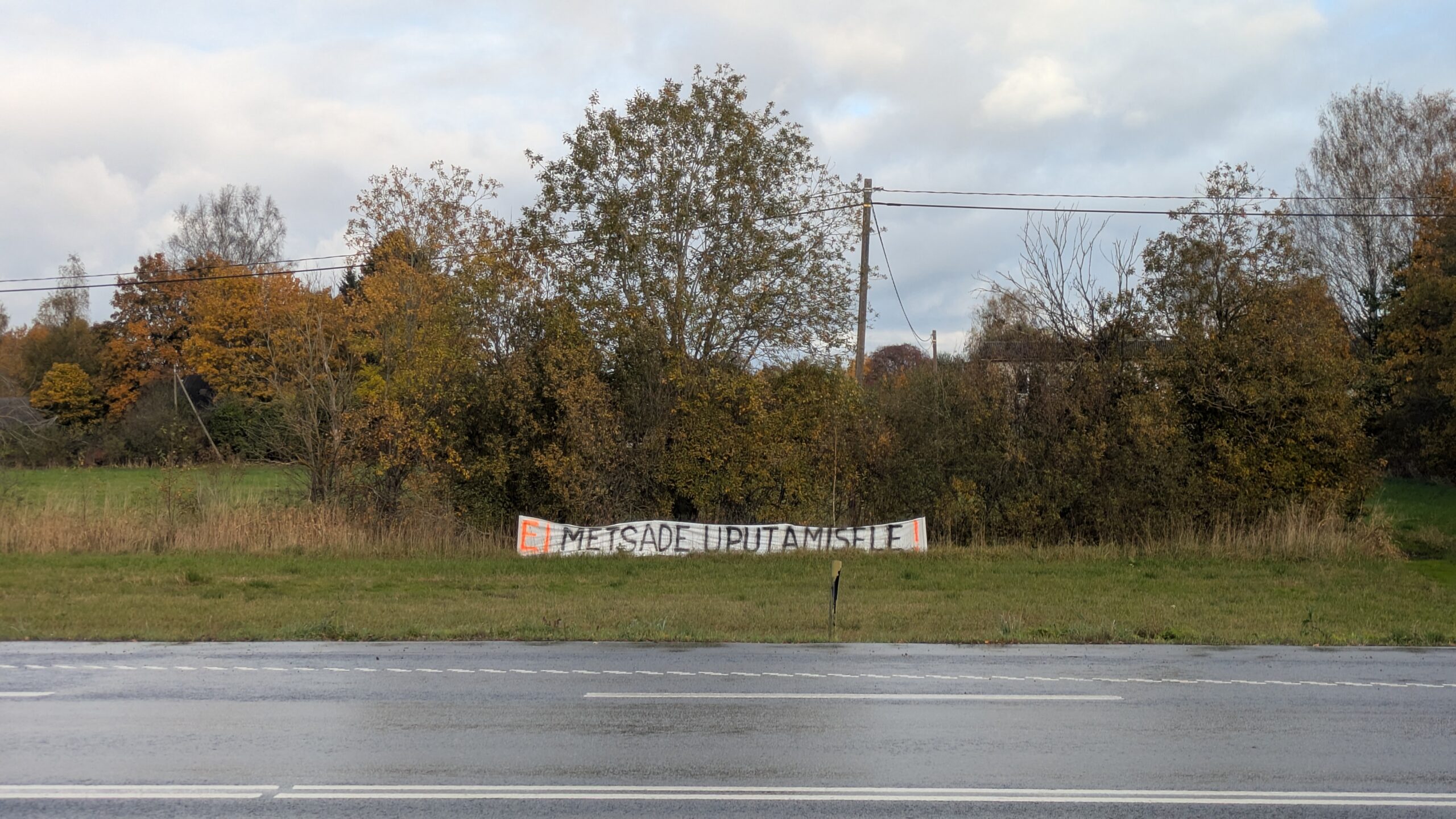
Negative reactions to nature restoration often arise from limited knowledge, lack of involvement or misinformation. When people are unclear about what restoration actually entails or how it will affect their surroundings, scepticism often follows.
A survey by the University of Tartu conducted among residents of Kikepera – a village in Pärnu County in southwestern Estonia – found that concerns can also emerge from the cumulative effect of multiple developments. For instance, when wind farms, nature restoration efforts and other activities are planned in the same area, communities may feel that too many changes are being imposed at once, without clear information about their impacts on the local environment.
Significantly, the survey indicated that opposition is not always directly related to nature restoration itself, and may reflect broader frustrations with government or local authorities, such as perceived underfunding of local services compared to restoration projects or previous experiences of not being consulted.
Another source of concern relates to aesthetic landscape changes. Many people struggle to imagine how a wet forest might appear in its restored state. Indeed, the very concept of ‘wet forest restoration’ – a term commonly associated with springtime flooding – is typically misunderstood. Survey responses also revealed that issues of overlogging and flooding are perceived as closely intertwined and a dual threat to forested areas.
The study concludes that raising awareness about wet forest restoration requires social interventions beyond standard information campaigns. Communities need opportunities to experience and ‘domesticate’ restored landscapes in ways that reduce feelings of imposed injustice and that help them to accept and appreciate the new ecological reality.
How can nature restoration be made understandable for local communities?
The WaterLANDS project, running from 2021 to 2026, brings together 32 partners from 14 European countries and is led by University College Dublin. In Estonia, four partners are participating: the University of Tartu, the Estonian Fund for Nature, the State Forest Management Centre, and AS Tootsi Turvas. The total project budget is EUR 23 million, of which EUR 5.2 million is allocated to the restoration of Estonia’s wetlands.
WaterLANDS aims to restore a total of 10,500 hectares of degraded wetlands across Europe. In Estonia, the focus is on 3,500 hectares in Pärnu County, including improving the condition of drained forests within Kikepera Nature Reserve, restoring the Kõrsa bog, and rejuvenating peatland at Lavassaare.
Beyond ecological restoration, community engagement is a central component of the project. It emphasises collaboration with local stakeholders and takes into account the needs and activities of residents when planning restoration measures. This helps to build trust, reduce misunderstandings, and ensure that restoration benefits both nature and the people who depend on it.
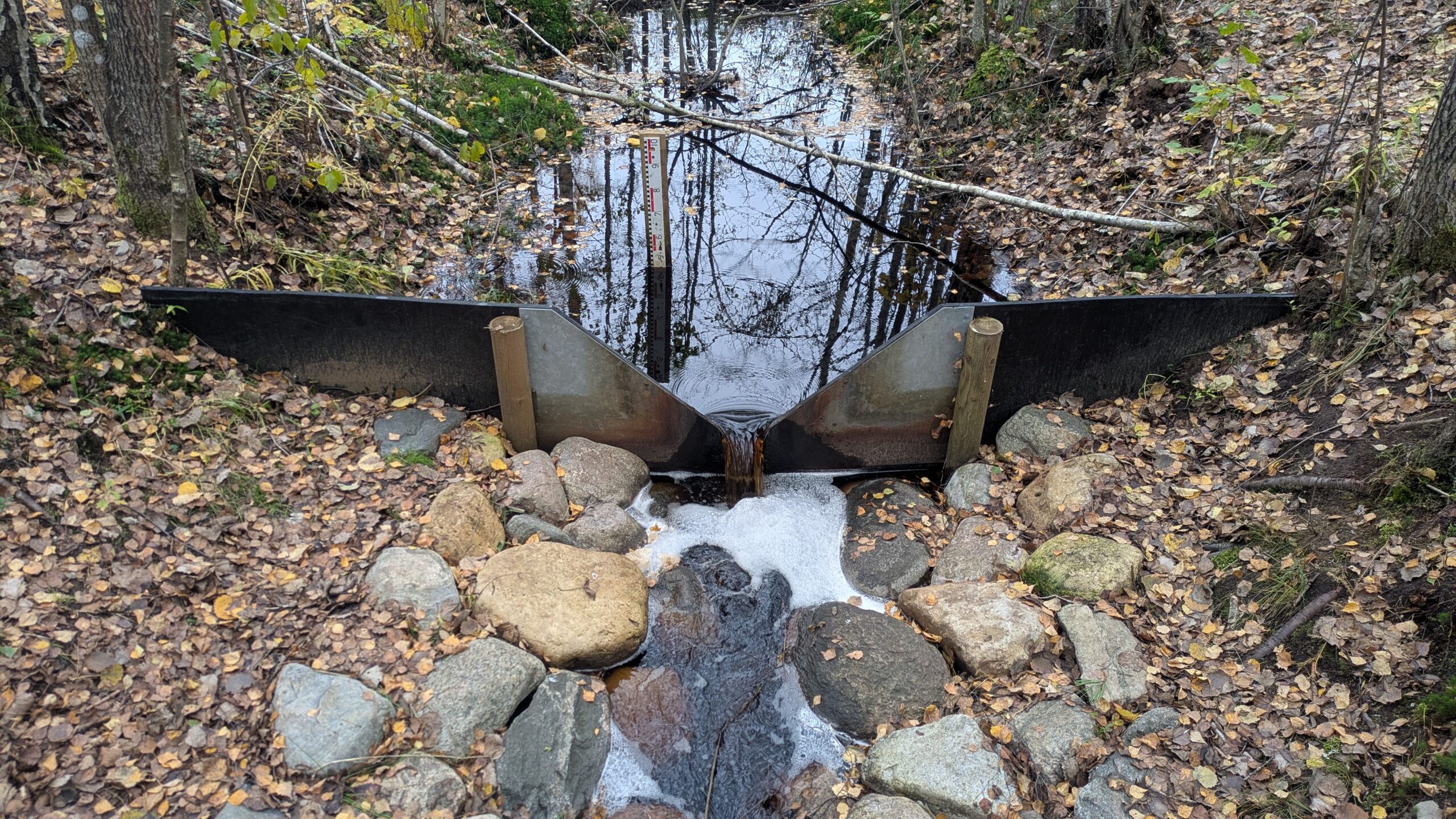
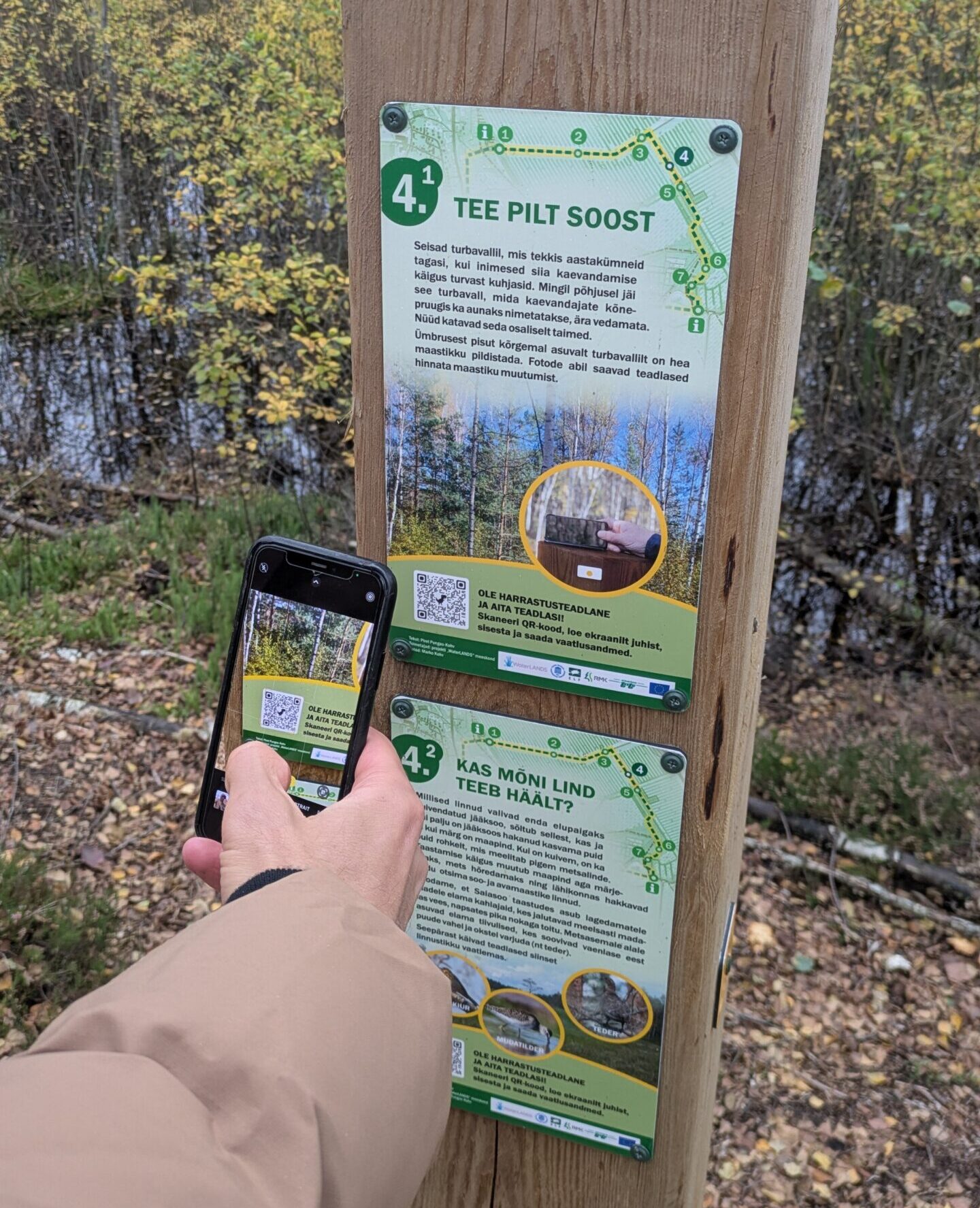
A concrete example of this participatory approach is the addition of a new citizen-science trail to the recently restored residual bog in Kõrsa. The idea came from local residents who felt they lacked a local walking trail that would allow people to enjoy the surrounding nature. Responding to their request, the project team decided to add a new trail featuring a citizen-science component – a form of collaboration in which volunteers contribute to scientific research by collecting data or taking part in other aspects of scientific work.
Along this 4-kilometre trail, there are seven monitoring points where locals and visitors can record water levels, observe species and document landscape changes. The information they gather is then sent to scientists for review. The trail is a practical tool for raising awareness, fostering collaboration, and bringing people closer to the restoration process, showing that ecological restoration can be both inclusive and educational.
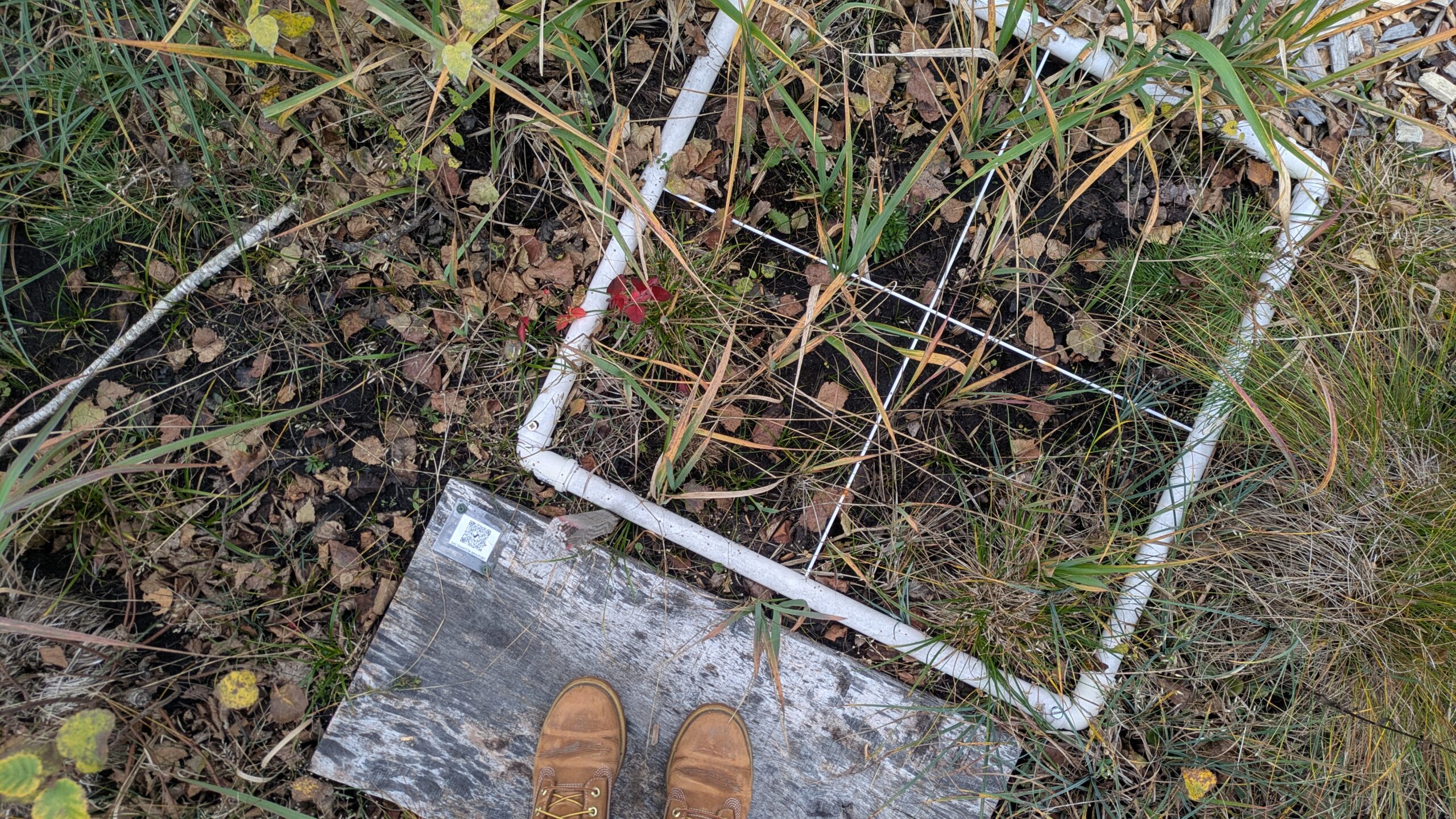
Another important way to help people connect with nature restoration is through hands-on volunteer fieldwork. By physically contributing to restoration, people gain a deeper understanding of what it actually takes to bring damaged ecosystems back to life. These activities allow people to see and feel the impact of their work, creating a personal sense of responsibility and satisfaction in restoring the land. Through shared work and dialogue in the field, WaterLANDS is helping to build trust, awareness and a sense of ownership, turning potential opposition into collaboration and collective pride in revitalising local landscapes.
Progress on Estonia’s national restoration plan
In Estonia, the Ministry of Climate is leading the drafting of the national restoration plan and is currently assembling expert groups composed solely of representatives from ministries, local authorities and universities. A kick-off meeting for the broader public is planned for 25 November. So far, it remains unclear how the wider public or civil society will be able to participate or provide feedback.
Nature restoration can be a hard topic to communicate. But when people can see, touch and take part in it, nature restoration becomes something tangible they can understand, care about and support. Restoring nature isn’t just a policy goal; it’s a shared responsibility and provides an opportunity to reimagine our relationship with the natural world. Developing ambitious and coherent national restoration plans will be key to turning commitments into real change. To succeed, Member States must start early and bring together all relevant government departments, experts and civil society to contribute their perspectives and ensure that each plan is practical, inclusive and effective.

