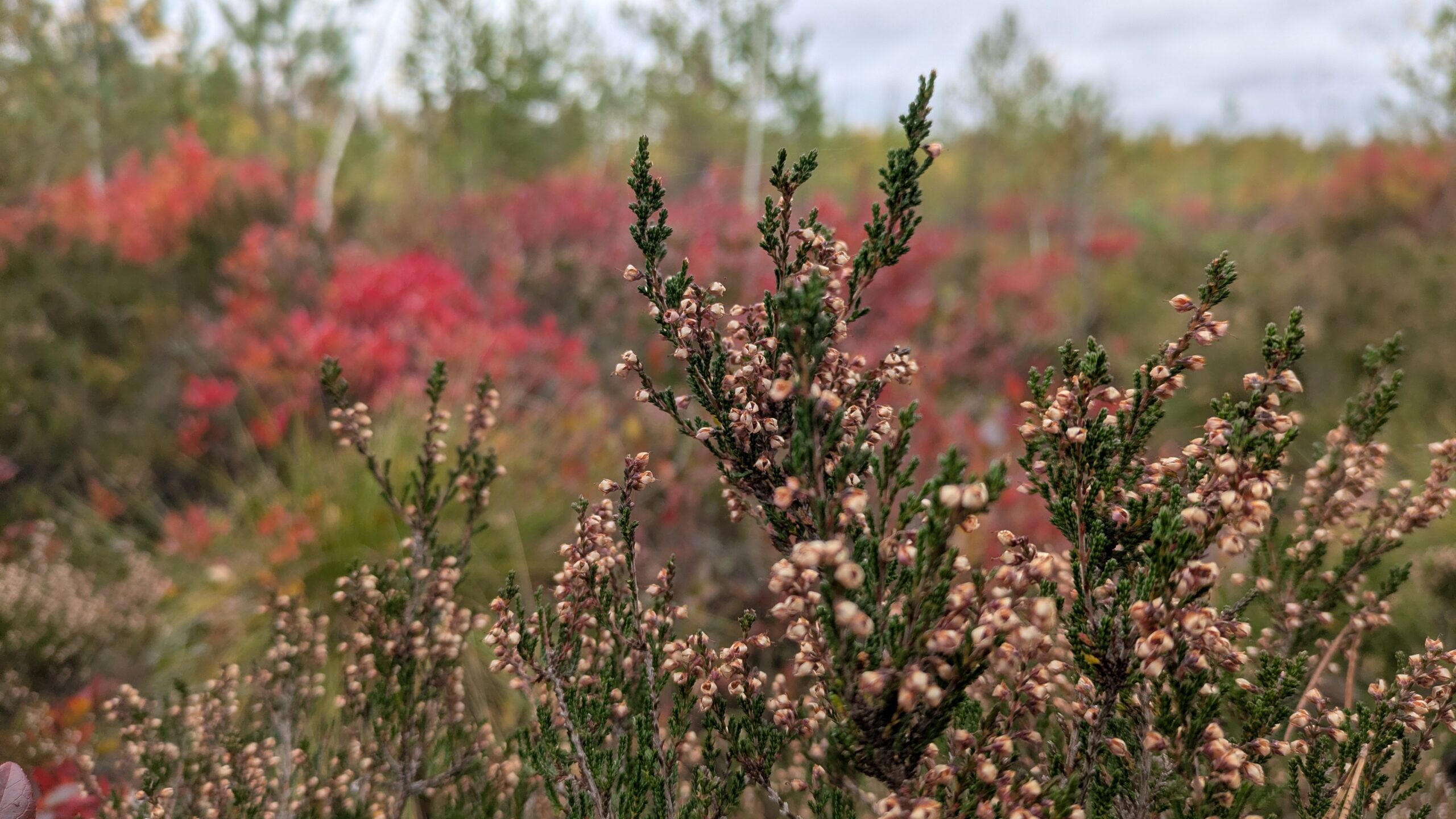
A new citizen-science trail at Estonia’s restored Kõrsa bog shows how involving communities directly can transform nature restoration into an accessible, collaborative and trusted process.
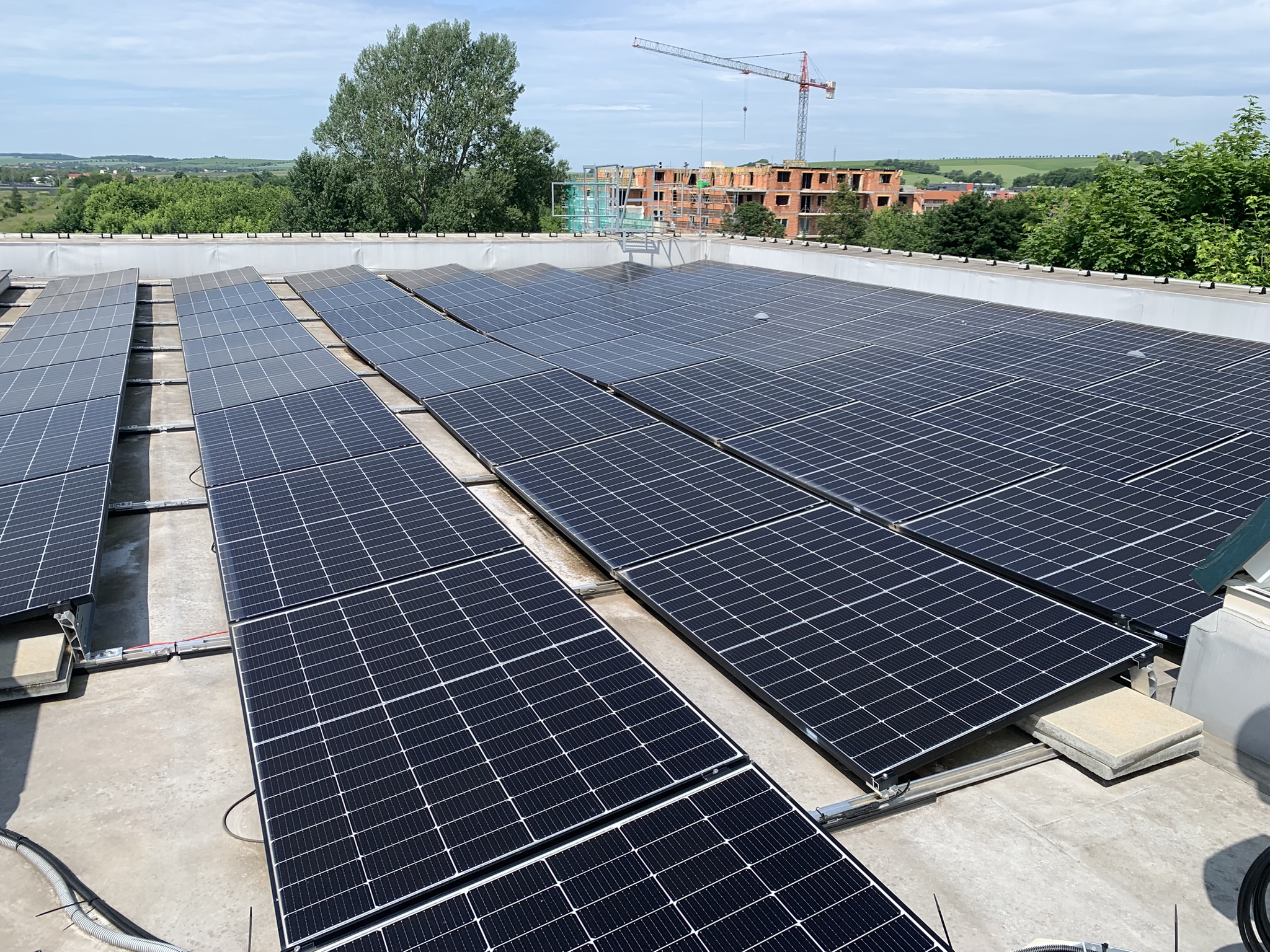
Community energy pioneers know that much hard work is needed before they can seamlessly share power between one another. In spite of all obstacles, they believe the project is worth it.
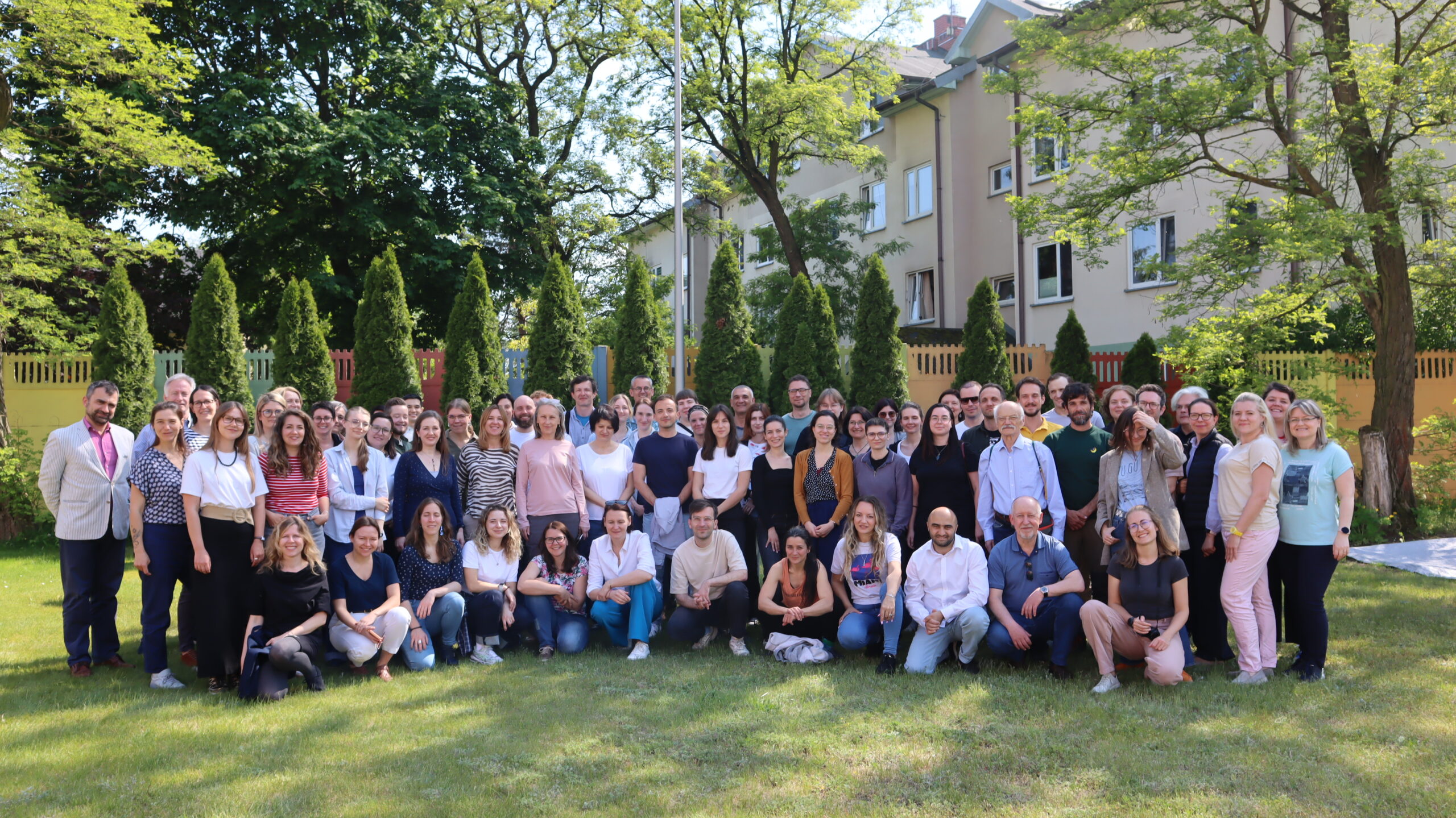
From grassroots activism to fighting Goliath
June 2, 2025 | Read more
From grassroots defiance to a force for accountability, Bankwatch’s story begins long before its founding in 1995. Amid collapsing regimes, our network channelled the energy of civil resistance into a brave new experiment in public oversight and transparency.

Supported by international development banks and promoted as a strategic corridor linking Asia to Europe, Georgia’s East-West highway is central to the country’s ambitions of becoming a regional transit hub. With a price tag of EUR 1.2 billion, much of which is financed through loans from the Asian Development Bank (ADB), European Investment Bank (EIB), and the World Bank (WB), the highway construction project was framed as a symbol of progress, promising speed, connectivity and economic growth.

Ukraine’s largest poultry producer, Myronivsky Hliboproduct (MHP), has received over a billion dollars in loans from international development banks since 2010 and has significantly expanded its operations. Local communities and environmental advocates argue that the company has failed to adequately address concerns regarding its environmental impact. This analysis examines the environmental issues surrounding MHP’s Vinnytsia Poultry Farm, focusing on water quality concerns and what appears to be insufficient environmental monitoring, to highlight what many stakeholders perceive as an urgent need for enhanced oversight of large agribusiness operations in Ukraine.
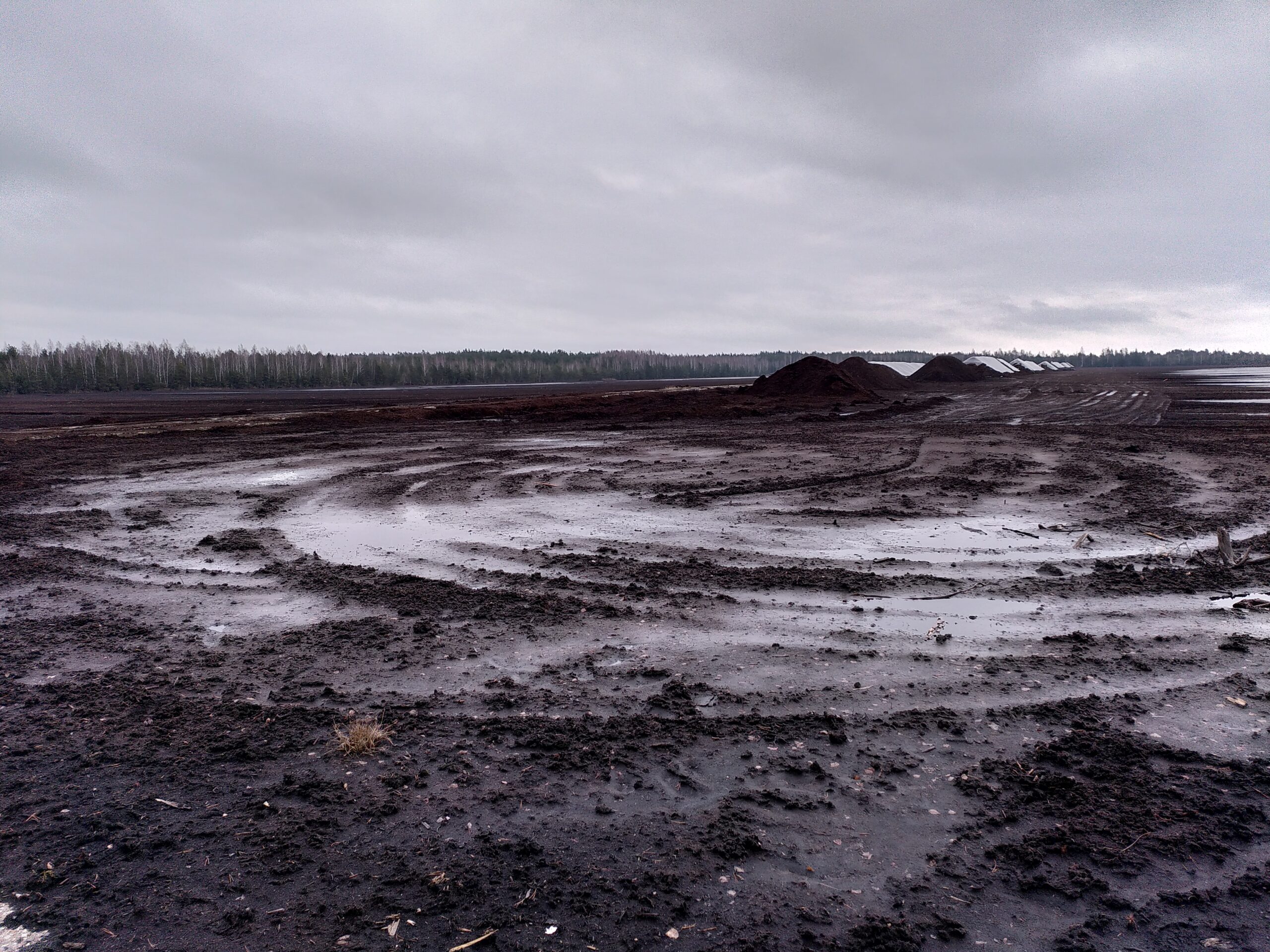
The most significant uses of peat in the world are for the creation of soil substrates and the production of energy. In 2022, the peat sector was responsible for 10.7 per cent of Latvia’s total greenhouse gas emissions. Peatlands store twice as much carbon as forests worldwide.

