
Ukraine Reconstruction Campaigner
Email:Tel.:
Anna is Bankwatch’s Ukraine Reconstruction Campaigner, working on green reconstruction and environmental safeguards in Ukraine’s recovery. Her work focuses on alternative sources of energy for communities, energy resilience, and the alignment of Ukraine’s energy policy and public investment management system with EU standards. Originally from Kyiv, she holds an MSc in Environmental Sciences and Policy from Central European University and is based in Bratislava.
More from

Declic – one of Romania’s most important NGOs – has filed the country’s first ever climate lawsuit for the government’s failure to take appropriate measures to reduce and mitigate the foreseeable risks posed by the climate crisis. Climate activists from Declic also asked the court to issue Romanian Prime Minister Nicoale Ciucă and the Ministers of Environment and Energy with fines for every day of inaction. The case alleges that Romanian officials have breached their legal duties to adopt and implement an energy transition strategy that aligns with the Paris Agreement, keeping the global average temperature below a 1.5°C increase.
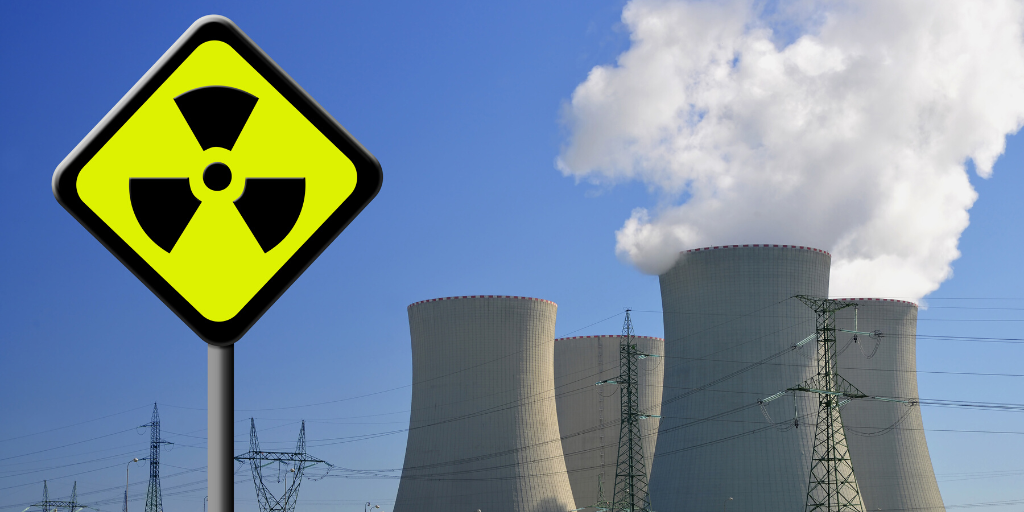
The Estonian government is considering pumping money into controversial nuclear power. Instead, it should strengthen its efforts to ensure a resilient, fully renewable and decentralised energy infrastructure.
This briefing focuses on enhancing local capacities, including workers’ skills, the participation process and investment opportunities to accelerate energy transition, particularly in Hungary’s three just transition regions.
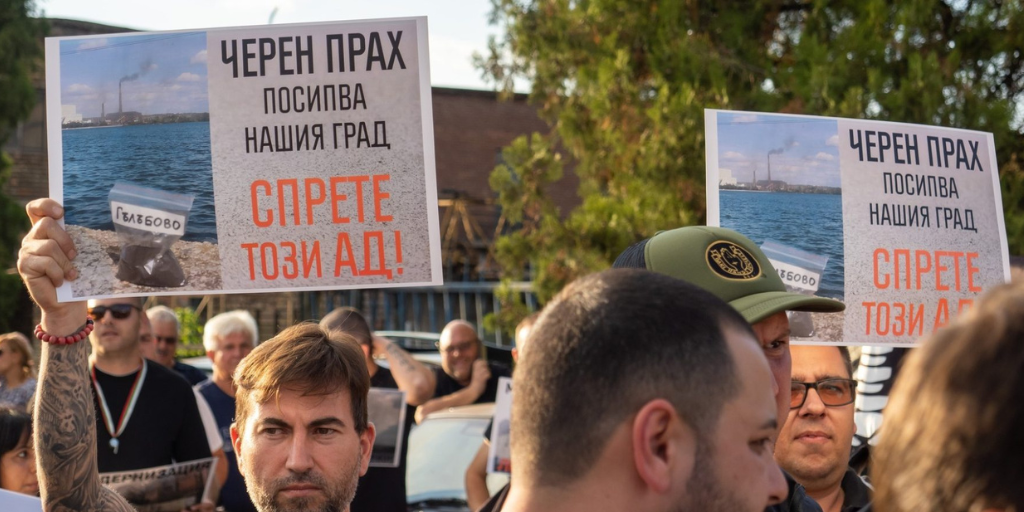
In February and March 2023, our environmental organisation Za Zemiata (Friends of the Earth – Bulgaria) organised several meetings in Stara Zagora and Galabovo in south-central Bulgaria dedicated to just energy transition and the development opportunities it offers the region. Our main aim was to involve local stakeholders whose voices have thus far been ignored. Participants included representatives of civil society, members of small and medium-sized enterprises and academics from Trakia University in Stara Zagora. Unfortunately, despite efforts to foster dialogue between business, civil society, academia and the institutions, the absence of the municipality, which was invited to attend the meetings, was notable.

Prague, Czech Republic – Plans for EUR 3.5 billion of new gas-fired power plants, pipelines, and liquefied natural gas (LNG) terminals in the Western Balkans would force countries to import far more gas than they have in the past, introducing economic and energy security risks into the region’s already challenging energy transition, finds new research from Global Energy Monitor and Bankwatch.

