
Ukraine Reconstruction Campaigner
Email:Tel.:
Anna is Bankwatch’s Ukraine Reconstruction Campaigner, working on green reconstruction and environmental safeguards in Ukraine’s recovery. Her work focuses on alternative sources of energy for communities, energy resilience, and the alignment of Ukraine’s energy policy and public investment management system with EU standards. Originally from Kyiv, she holds an MSc in Environmental Sciences and Policy from Central European University and is based in Bratislava.
More from
Proposals for the next EU budget
April 24, 2025 | Read more
Our current crises stem from the environmental and social injustices of past decades. It is therefore essential that we learn from current EU budget instruments to create a coherent, strategic, enforceable and accessible framework for the next EU budget.
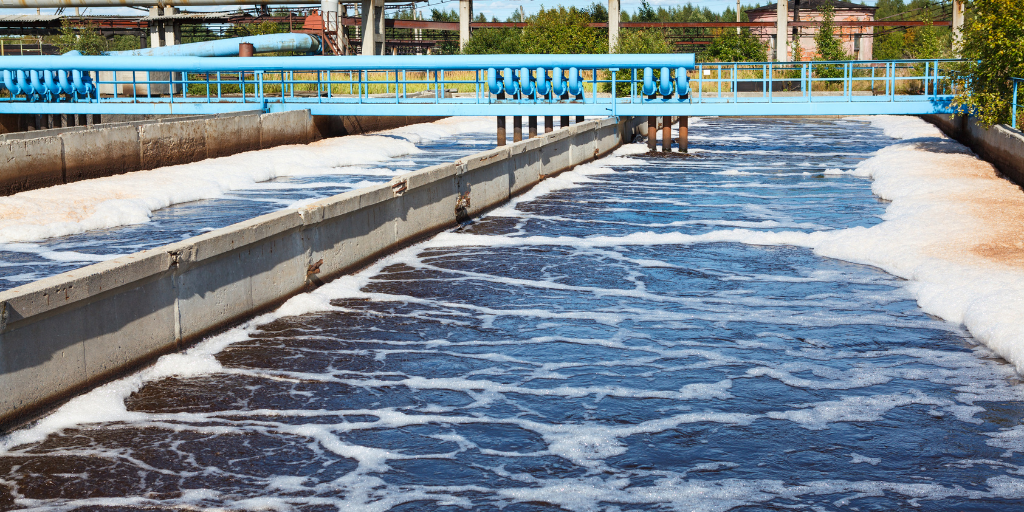
Residents of Karaganda, a major industrial city in central Kazakhstan, originally welcomed plans to modernise the larger of its two wastewater treatment plants with the help of a loan from the European Bank for Reconstruction and Development (EBRD). However, the design of the project – revealed during public hearings – has prompted significant concerns among both citizens and experts. Over the past year, a local civil society organisation has been advocating for a review of the design, highlighting technical flaws and violations of stakeholder engagement obligations.

Ukraine’s largest poultry producer, Myronivsky Hliboproduct (MHP), has received over a billion dollars in loans from international development banks since 2010 and has significantly expanded its operations. Local communities and environmental advocates argue that the company has failed to adequately address concerns regarding its environmental impact. This analysis examines the environmental issues surrounding MHP’s Vinnytsia Poultry Farm, focusing on water quality concerns and what appears to be insufficient environmental monitoring, to highlight what many stakeholders perceive as an urgent need for enhanced oversight of large agribusiness operations in Ukraine.

On the afternoon of 28 March, residents, municipal representatives, and locally elected officials joined a panel of experts in the Latvian city of Daugavpils to discuss the future of cycling in the city. The aim of the event was to identify existing challenges as well as practical solutions that might encourage more residents to choose cycling as a regular mode of transport.

The Western Balkans is facing a pressing energy crisis, largely due to outdated district heating systems that waste vast amounts of energy. In Serbia alone, district heating networks serve over 700,0000 households, yet inefficiencies have led to energy losses of up to 12 per cent, resulting in higher costs and increased greenhouse gas emissions. Energy consumption per square metre is nearly triple that of western Europe, mainly due to poor insulation and ageing infrastructure. Rising energy prices and reliance on often imported fossil fuels make energy efficiency an economic necessity.

