
Ukraine Reconstruction Campaigner
Email:Tel.:
Anna is Bankwatch’s Ukraine Reconstruction Campaigner, working on green reconstruction and environmental safeguards in Ukraine’s recovery. Her work focuses on alternative sources of energy for communities, energy resilience, and the alignment of Ukraine’s energy policy and public investment management system with EU standards. Originally from Kyiv, she holds an MSc in Environmental Sciences and Policy from Central European University and is based in Bratislava.
More from
This joint statement lays out why the Just Transition Fund should be extended into the next EU budget, and offers recommendations to guide further improvements within the next programming period to deliver results that contribute to both EU cohesion and climate neutrality.
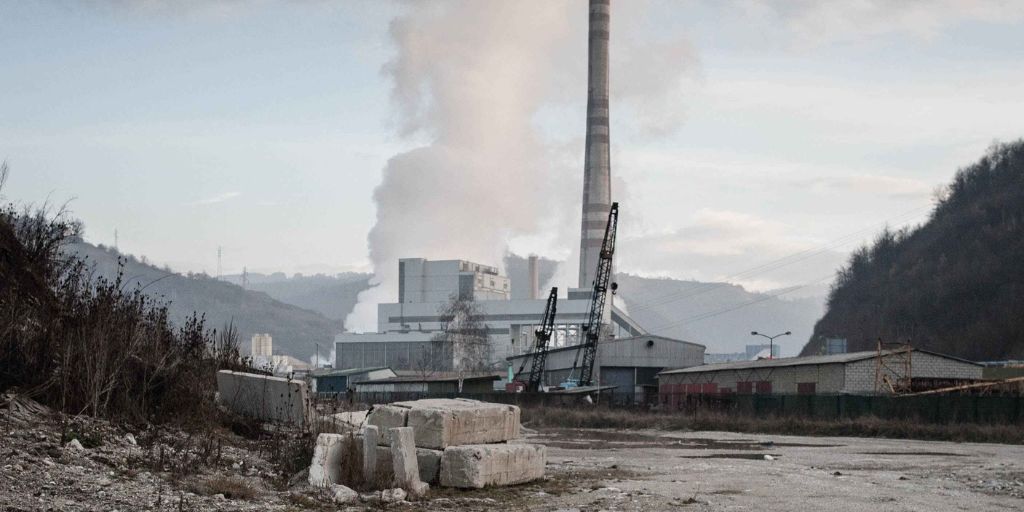
In 2023, Western Balkan governments’ dereliction of their law enforcement duties again allowed an increase in sulphur dioxide (SO2) pollution from the region’s antiquated coal power plants, according to the sixth edition of Bankwatch’s Comply or Close report, published today (1). Dust and nitrogen oxides (NOx) pollution from coal plants also continued to exceed legal limits.
The end of 2023 marked six years since the deadline passed for power plants in the Western Balkans to meet new air pollution standards. Yet the deadly air pollution from the region’s mostly antiquated coal power plants has hardly decreased at all since 2018.

The European Court of Auditors’ report on implementation of EU’s recovery fund, published yesterday, casts a new shadow over the contribution of the fund to the green transition.
This is a fictional mission letter issued by the President of the European Commission to a fictional ‘Commissioner for a Transformative Budget’ intended to illustrate how the climate and environmental crises should be prioritised as part of the European Union’s long-term budget for 2028–2034.

