
Ukraine Reconstruction Campaigner
Email:Tel.:
Anna is Bankwatch’s Ukraine Reconstruction Campaigner, working on green reconstruction and environmental safeguards in Ukraine’s recovery. Her work focuses on alternative sources of energy for communities, energy resilience, and the alignment of Ukraine’s energy policy and public investment management system with EU standards. Originally from Kyiv, she holds an MSc in Environmental Sciences and Policy from Central European University and is based in Bratislava.
More from
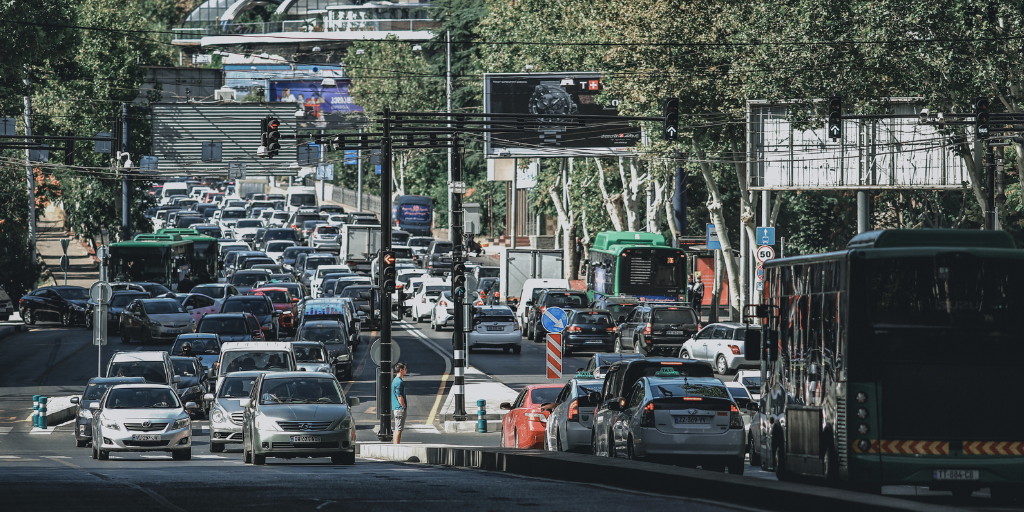
The EBRD’s draft strategy, published in the summer of 2024, shows improvements particularly in terms of good governance, inclusion, safety, affordability, accessibility of municipal and transport infrastructure and services. In our new comments, we argue that more needs to be done to decarbonise and promote circular economy principles and sustainable waste management.
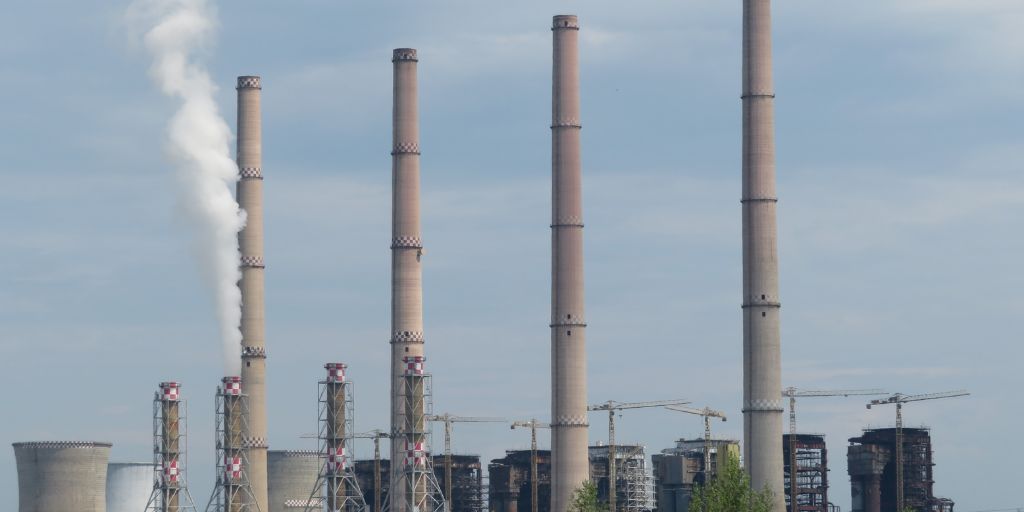
Even with hard work, a just transition needs long-term support
August 8, 2024 | Read more
The small town of Turceni in southwest Romania has long been a lignite stronghold. But its enormous coal power plant is gradually being closed. A team from Bankwatch recently visited and spoke to the deputy mayor about the town’s efforts to ensure a just transition.
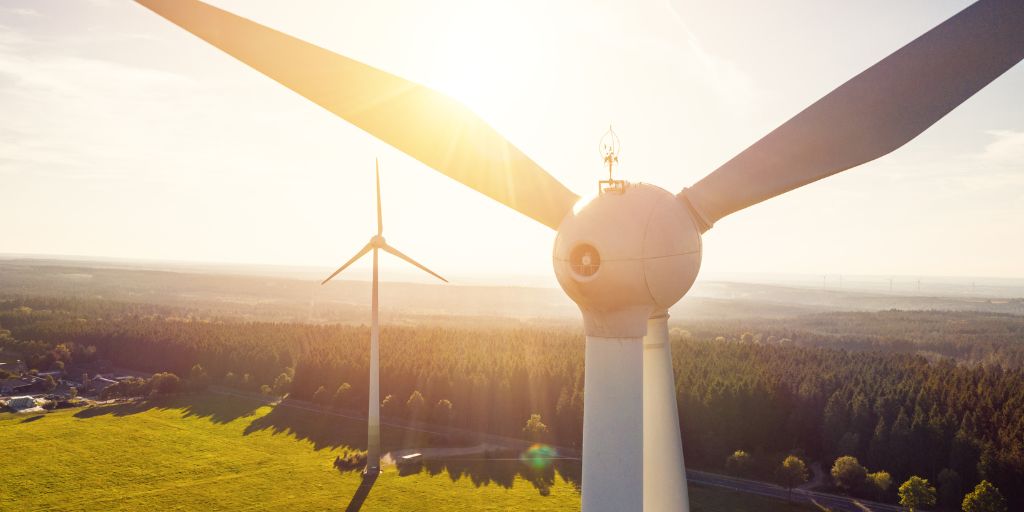
The transition to a low-carbon economic model is a radical paradigm shift that requires transformation at all levels, from individual behaviour to entire economic sectors. But it’s also an unprecedented opportunity to reinvent our relationship with the economy, one that respects nature and planetary boundaries.

Estonia’s young heroes leading the just transition charge
August 2, 2024 | Read more
Among the cases highlighting the role of young people in just transition regions across Europe, the establishment of a youth-led climate assembly in Ida-Virumaa, Estonia has been a notable success story.
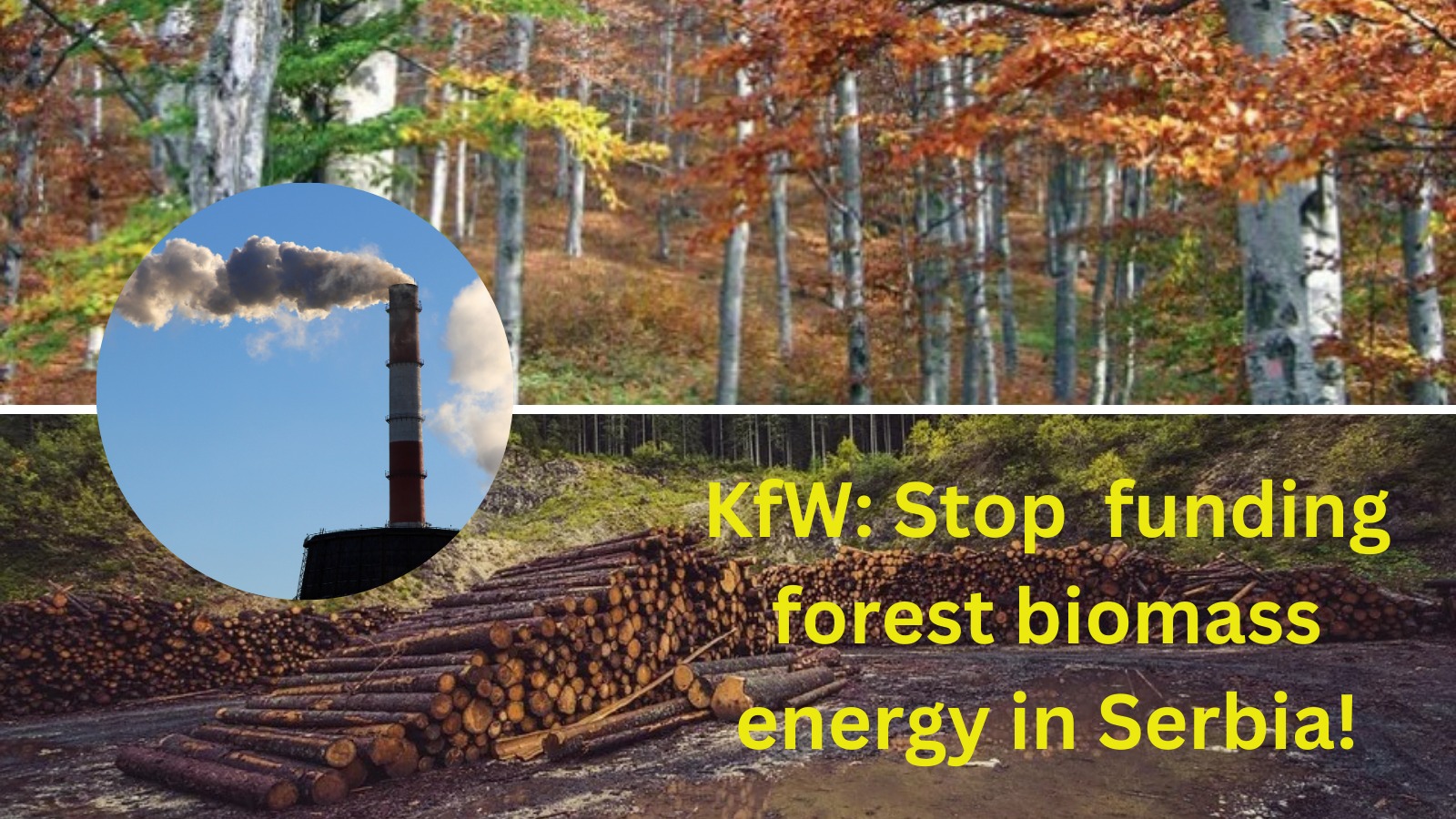
41 environmental organisations from the Western Balkans, Germany, and across Europe have called on German state-owned development bank KfW to stop financing wood biomass energy in Serbia in order to avoid forest degradation risks and locking Serbia into further dependency on high-carbon energy sources.[1]

