
Ukraine Reconstruction Campaigner
Email:Tel.:
Anna is Bankwatch’s Ukraine Reconstruction Campaigner, working on green reconstruction and environmental safeguards in Ukraine’s recovery. Her work focuses on alternative sources of energy for communities, energy resilience, and the alignment of Ukraine’s energy policy and public investment management system with EU standards. Originally from Kyiv, she holds an MSc in Environmental Sciences and Policy from Central European University and is based in Bratislava.
More from
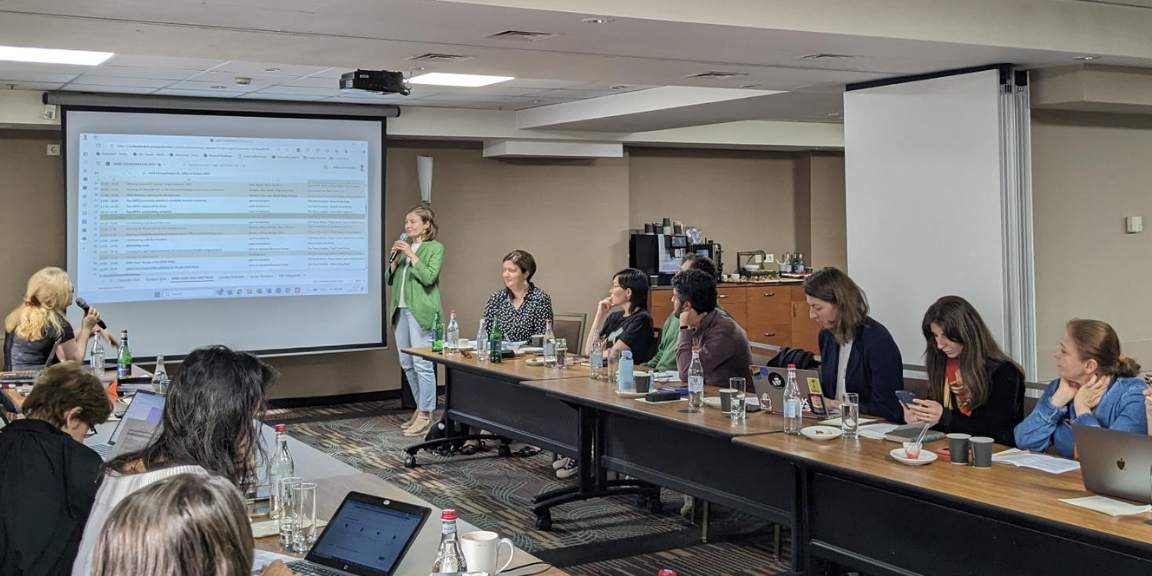
Despite some improvements, the latest drafts of the EBRD’s updated good governance policies fall short of ensuring that human rights are respected and protected, especially in countries with significant democratic deficits. In a joint statement, 60 civil society organisations urge the EBRD to enhance its human rights due diligence.
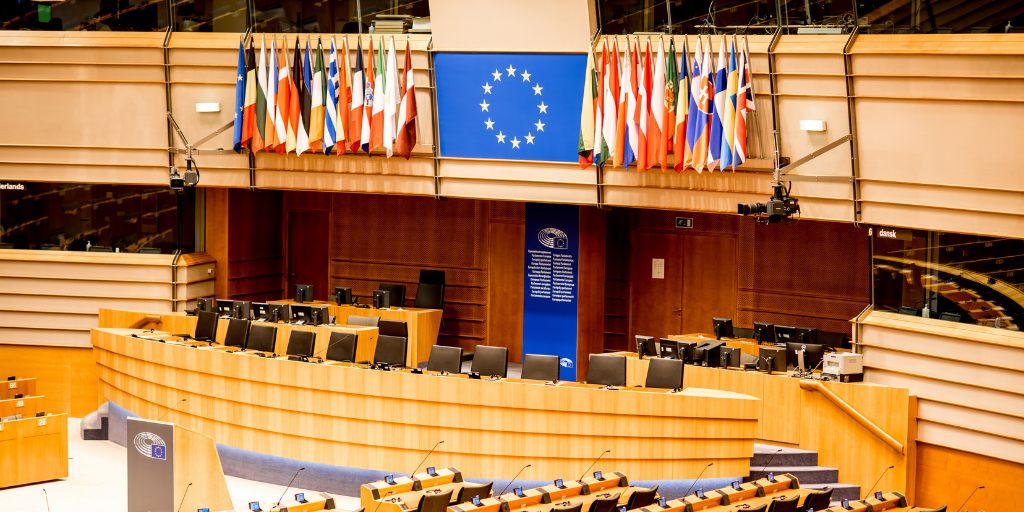
This week, 30 civil society groups have written to the Regional Cooperation Council (RCC) and European Commission, asking for meaningful consultations on the update of the Action Plan for the Green Agenda for the Western Balkans, planned to take place this year.

On 10 May, 25 dedicated municipality employees from the city of Daugavpils in Latvia took part in a transformative seminar aimed at integrating zero-emission technologies and renewable energy solutions into public infrastructure.
As the European Bank for Reconstruction and Development (EBRD) gathers for its 33rd Annual Meeting in Yerevan (1), civil society organisations have united to challenge the EBRD’s flawed policies. They highlight numerous cases where EBRD investments have had negative impacts on communities and the environment (2). CEE Bankwatch Network, a leading organisation in this effort, is also calling on the EBRD to take decisive action against the increasing repression of civil society in the countries where it operates.

With the recent adoption of the “foreign representatives” law in Kyrgyzstan and a similar “foreign influence” bill awaiting final approval in the Georgian parliament, civic space continues to shrink in the EBRD’s countries of operations.

