
Ukraine Reconstruction Campaigner
Email:Tel.:
Anna is Bankwatch’s Ukraine Reconstruction Campaigner, working on green reconstruction and environmental safeguards in Ukraine’s recovery. Her work focuses on alternative sources of energy for communities, energy resilience, and the alignment of Ukraine’s energy policy and public investment management system with EU standards. Originally from Kyiv, she holds an MSc in Environmental Sciences and Policy from Central European University and is based in Bratislava.
More from

Monitoring cohesion policy funds in central and eastern Europe
December 12, 2023 | Read more
The purpose of this briefing is to provide an overview of the monitoring committees charged with overseeing programmes on the environment, climate and energy, and the just transition in eight countries in central and eastern Europe: Bulgaria, the Czech Republic, Estonia, Hungary, Latvia, Poland, Romania and Slovakia.

New EIB President Nadia Calviño must put people’s needs first
December 8, 2023 | Read more
The new European Investment Bank (EIB) President Nadia Calviño must tap into the Bank’s green and social potential. She should direct the EIB to mobilise its resources to meet the fundamental needs of people and to assist with transforming our society into one that’s ecological and sustainable.

Two days* after COP 28 is due to conclude, the board of directors of the EBRD, a multilateral development bank owned by 72 governments, will vote on its new Energy Sector Strategy. This policy will guide the Bank’s energy investments until 2028.

Protecting the biodiversity of Estonia’s agricultural landscapes
December 6, 2023 | Read more
The case study demonstrates some of the many ways EU funds can and should be used to support nature restoration and conservation projects. These are instrumental to address the biodiversity crisis across sectors.
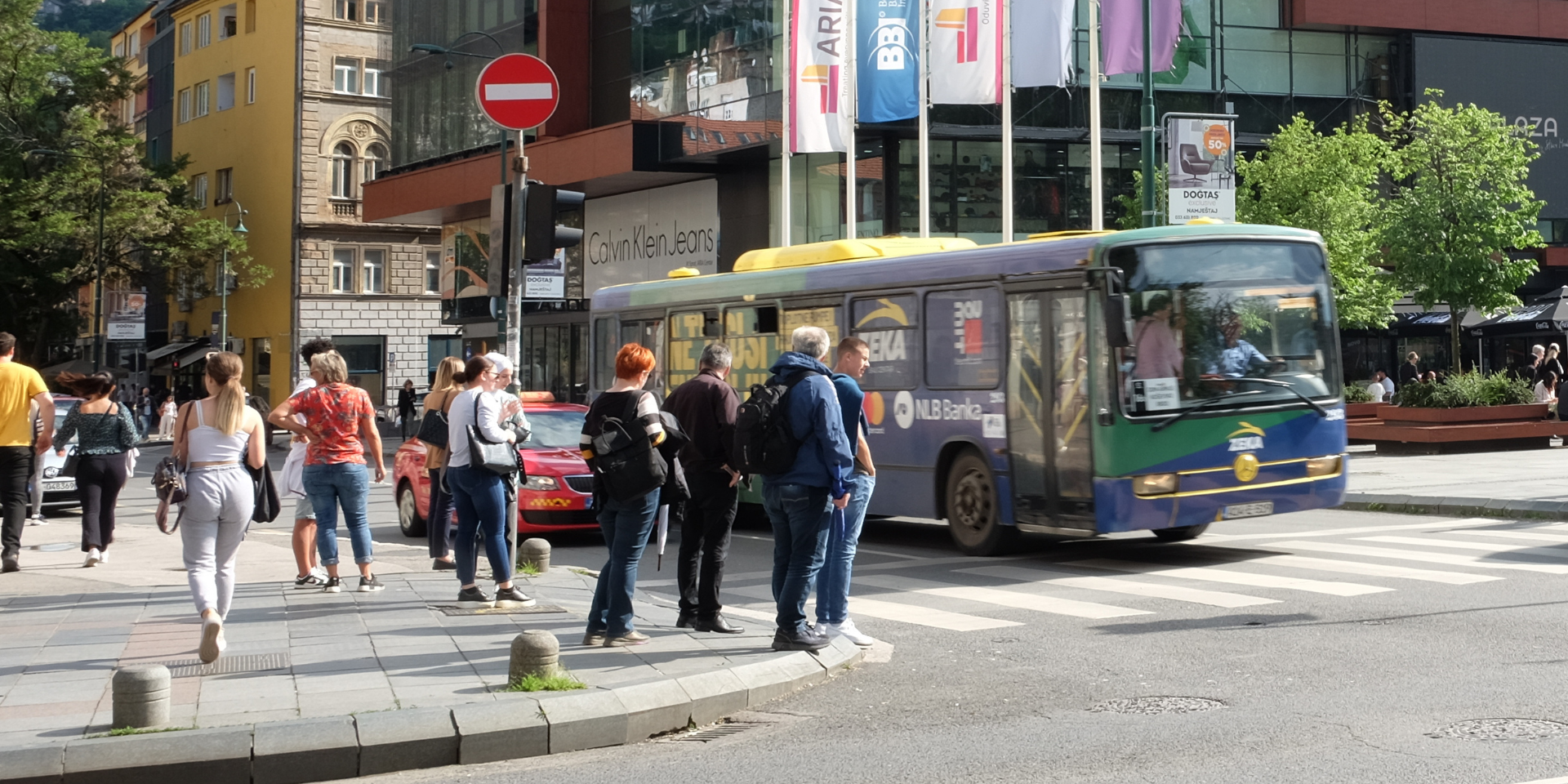
Sarajevo transport system is dominated by private motor vehicles and marred by dissatisfaction. Heavy traffic during rush hours, issues with reliability of public transport and environmental concerns persist. Many of these issues disproportionately affect vulnerable groups, including women, who often have distinct travel patterns and needs.

