
Ukraine Reconstruction Campaigner
Email:Tel.:
Anna is Bankwatch’s Ukraine Reconstruction Campaigner, working on green reconstruction and environmental safeguards in Ukraine’s recovery. Her work focuses on alternative sources of energy for communities, energy resilience, and the alignment of Ukraine’s energy policy and public investment management system with EU standards. Originally from Kyiv, she holds an MSc in Environmental Sciences and Policy from Central European University and is based in Bratislava.
More from

If completed, the EUR 338 million project would violate a Recommendation of the Bern Convention No. 217 (2022) and leave tributaries of the Neretva river without water. People living in the Nevesinjsko karst field oppose resettlement and flooding of their houses and land.
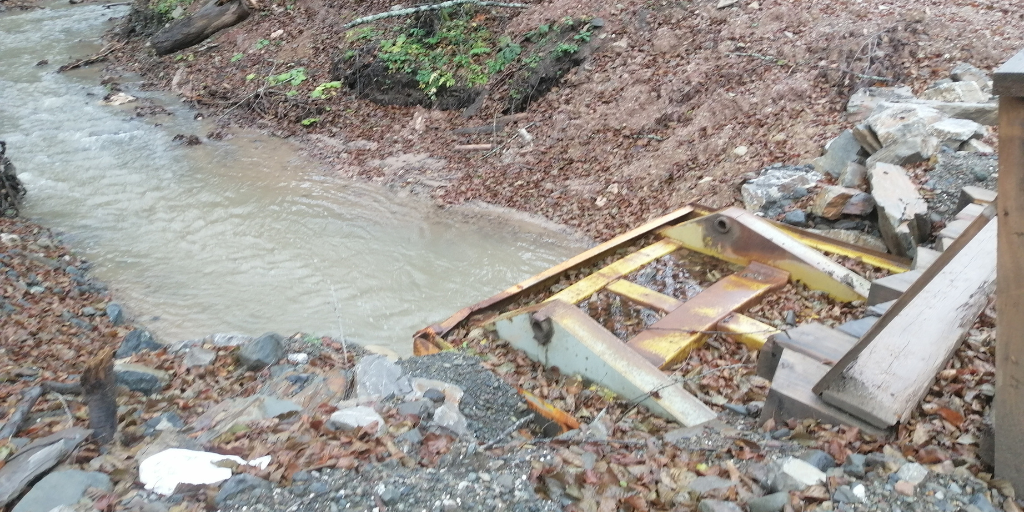
The DFF Adriatic Metals project, located between the towns of Vareš and Kakanj in Bosnia and Herzegovina, is proclaimed by the investor to be setting new benchmarks for sustainable mining and committing to safety, community, and sustainability – claims not shared by people living in Kakanj.

In May 2022, the European Commission, in response to the energy crisis, launched the REPowerEU plan – a set of measures aimed at ending the EU’s dependence on Russian fossil fuel imports by 2027. The plan emphasises the diversification of gas and oil supply sources, the replacement of fossil fuels with renewable energy sources by accelerating Europe’s clean energy transition, and the reduction of energy consumption, primarily gas, in the EU. Yet despite its ambitious scope, the plan excessively prioritises the interests of the fossil fuel industry.

Although the EU has managed to brave the energy emergency triggered by Russia’s assault on Ukraine, a Bankwatch report released today reveals that the Polish, Croatian and Bulgarian governments are still seeking at least EUR 1.5 billion in EU public money to build new fossil gas infrastructure under the guise of an emergency response.
The European Investment Bank (EIB), the EU’s lending arm, is facing renewed pressure to improve its transparency (1). In a recent decision, the Ombudsman highlighted the EIB’s insufficient justification for withholding access to environmental information related to a significant loan granted to Poland’s largest state-owned energy utility, PGE (2).

