Economic justice policy officer
Email:Tel.:
More from

Estonia’s young heroes leading the just transition charge
August 2, 2024 | Read more
Among the cases highlighting the role of young people in just transition regions across Europe, the establishment of a youth-led climate assembly in Ida-Virumaa, Estonia has been a notable success story.
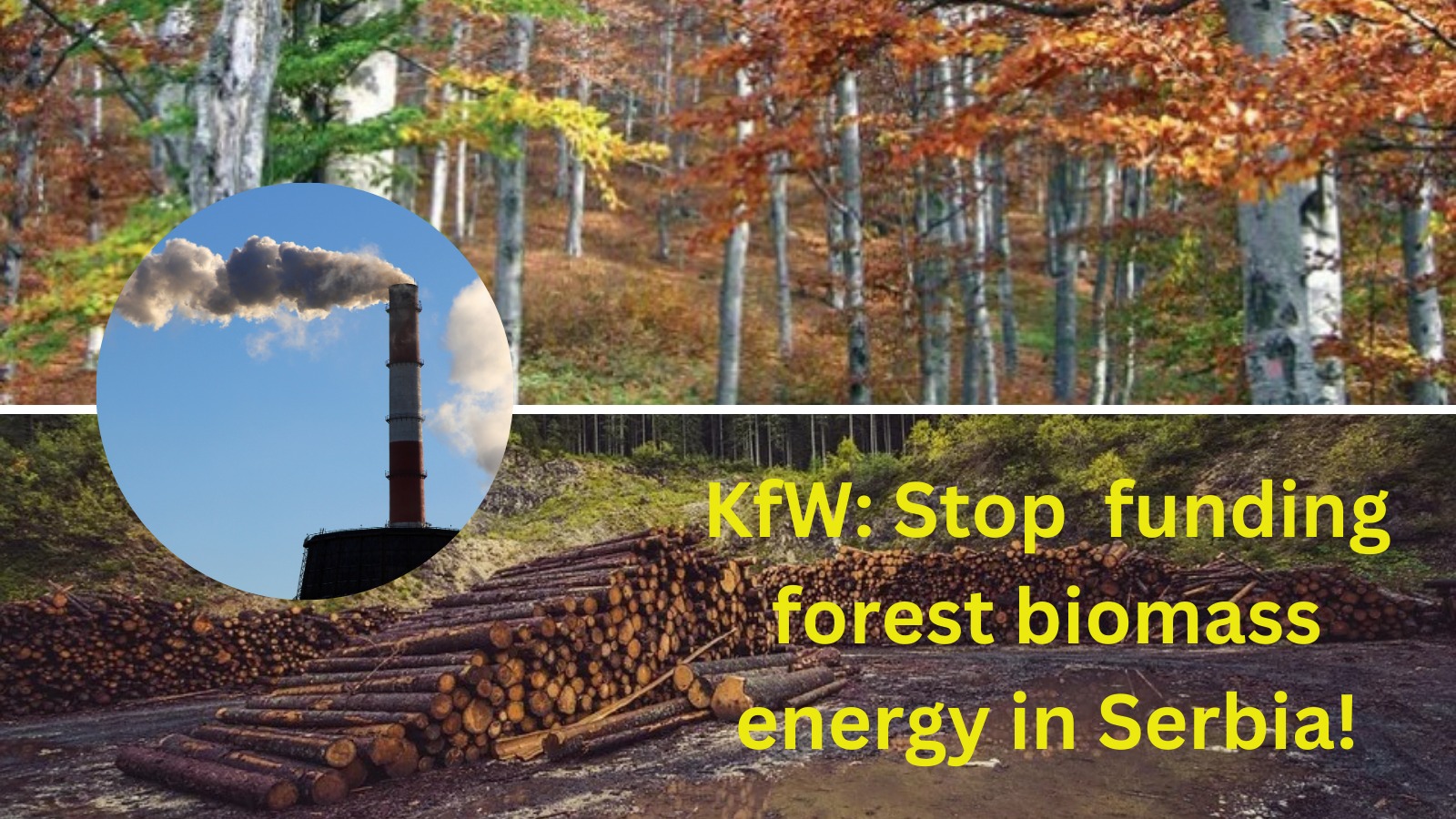
41 environmental organisations from the Western Balkans, Germany, and across Europe have called on German state-owned development bank KfW to stop financing wood biomass energy in Serbia in order to avoid forest degradation risks and locking Serbia into further dependency on high-carbon energy sources.[1]
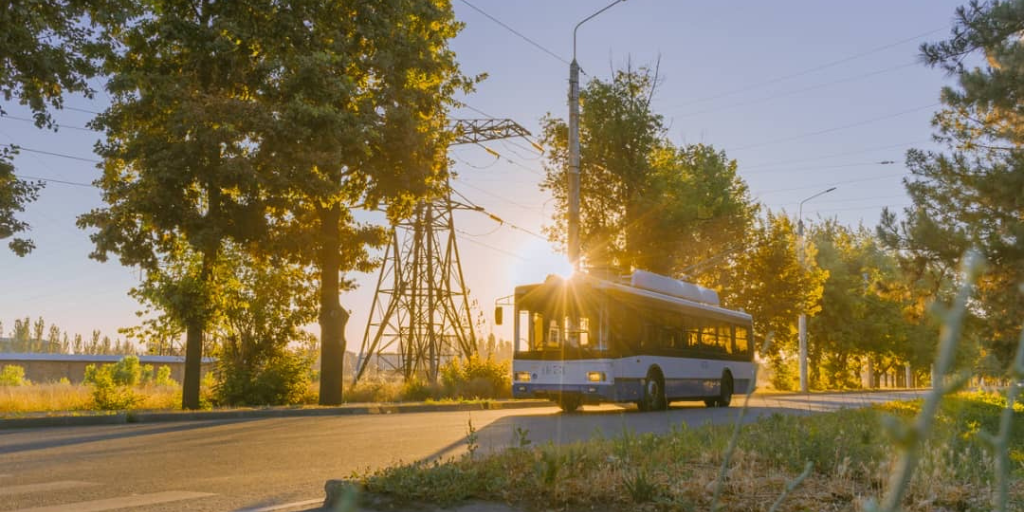
The Asian Development Bank (ADB) and European Bank for Reconstruction and Development (EBRD) need to investigate the impact of their public transport projects in Bishkek, Kyrgyzstan as the city’s urban mobility system gets a complete overhaul without transparency or public participation.

This report, through a series of case studies, analyses how the ‘do no significant harm’ principle has been applied in various EU Member States.

During much of the past 13 months – the longest streak of record-breaking global temperatures – EU governments have been revising their climate strategies. Yet, instead of increasing ambition at a time of a climate emergency, as they have committed to do, policymakers in central and eastern Europe appear keen to sustain their countries’ addiction to fossil gas.

