
National campaigner, Bulgaria
Email:Tel.:
More from
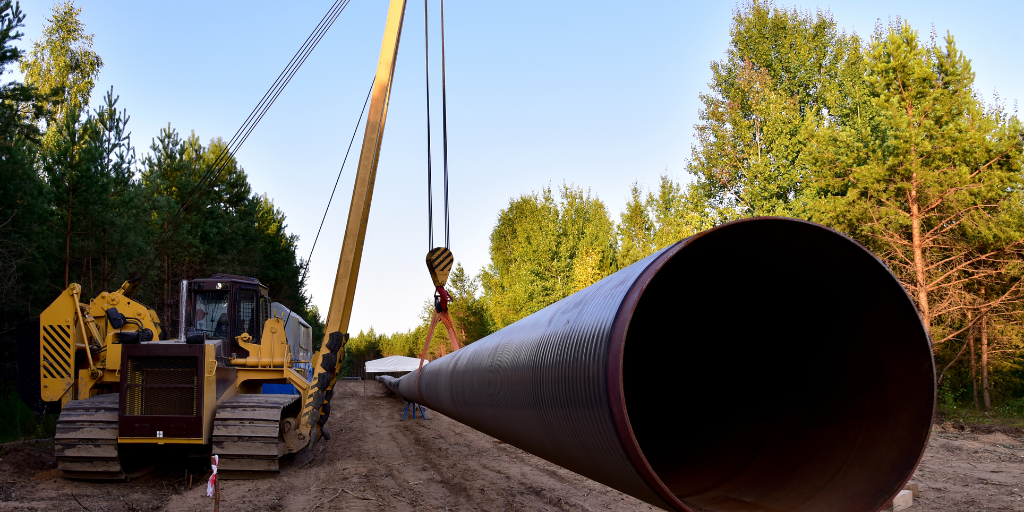
The Western Balkan countries have low or no fossil gas dependence, but the United States is trying to change this. As a major gas producer, its approach to the region is increasingly clashing with the EU’s decarbonisation agenda, raising the threat of increased import dependence or stranded assets.

In the context of Europe reshaping its cohesion policy, this briefing explains why regional chapters in the post‑2028 funding framework must be mandatory, properly financed, and built on credible just transition plans. Without guaranteed regional ownership, targeted support, and strong technical capacity, the shift to a climate‑neutral economy risks deepening territorial divides, sidelining carbon‑intensive and peripheral regions, and slowing Europe’s competitiveness at a moment when no region can afford to fall behind.
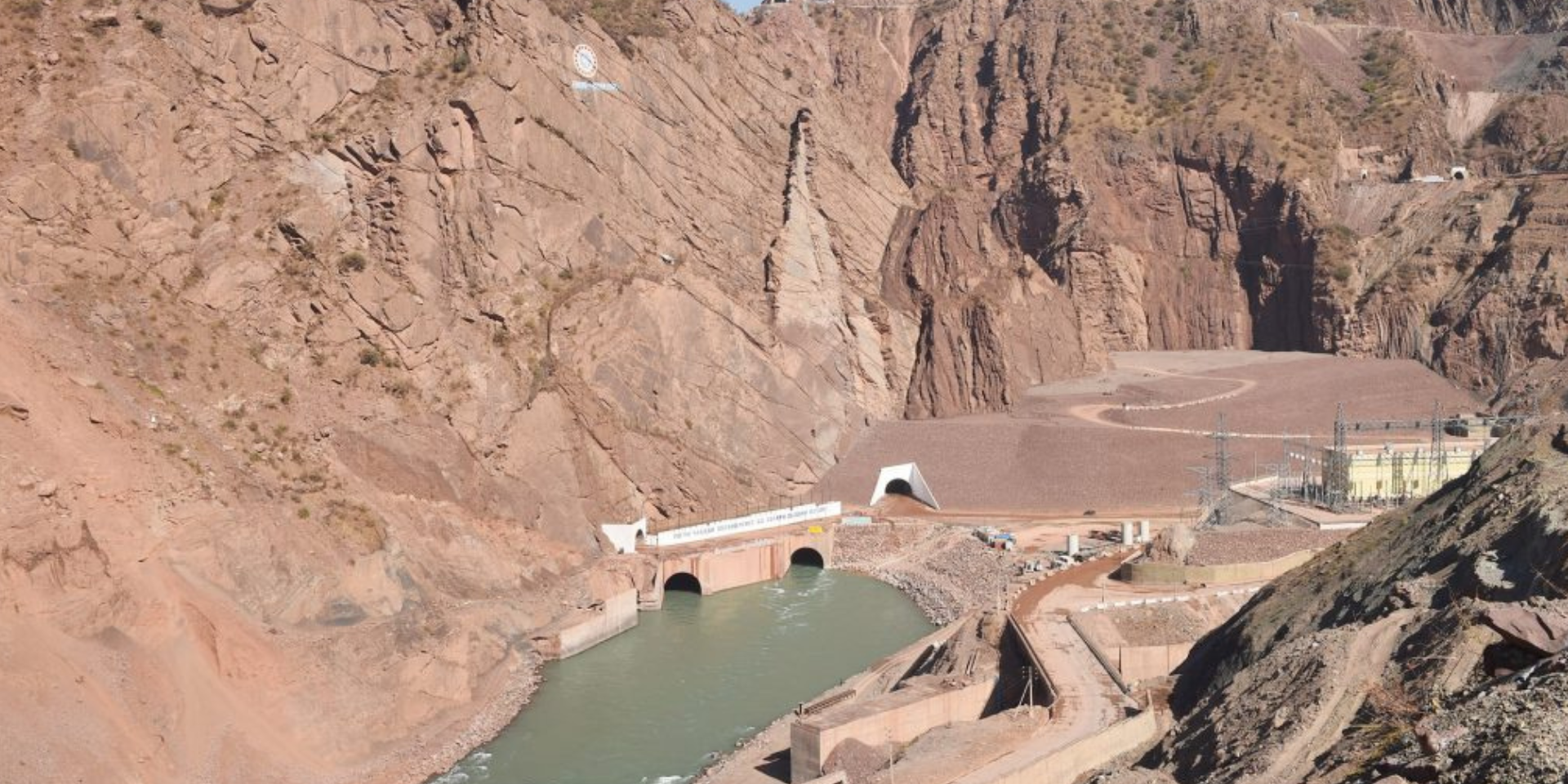
The Rogun Hydropower Project in Tajikistan raises serious concerns regarding freshwater ecosystems, the resettlement of 60,000 people, regional water security and human rights within the context of severely restricted civic space. As the European Investment Bank (EIB) is appraising the project, civil society groups are calling on the EIB’s Board of Directors to ensure compliance with the Bank’s Environmental and Social Standards and relevant EU standards.
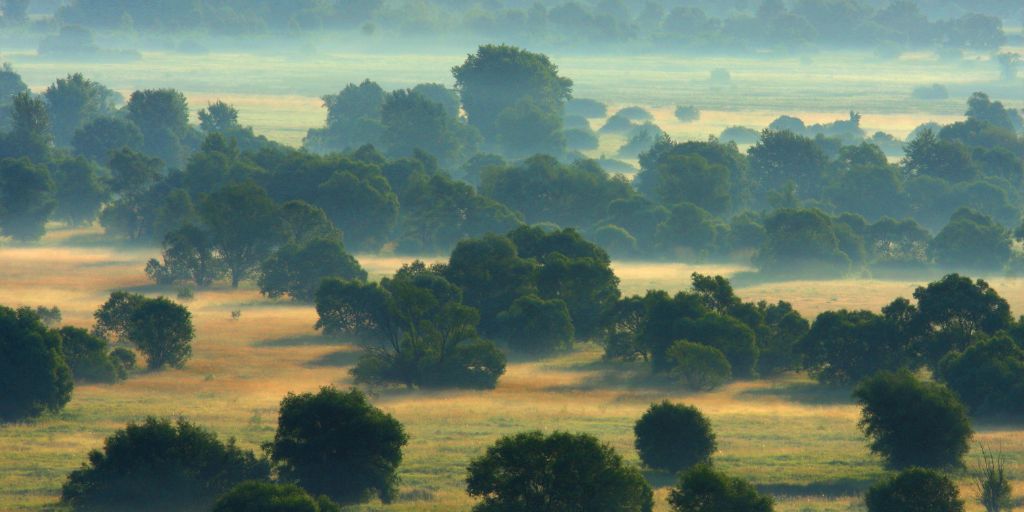
With only three months to go until EU Member States must submit their national restoration plans, EuroNatur and Bankwatch are warning that implementation of the EU’s Nature Restoration Regulation will not be possible without sufficient dedicated public funding. In a new report launched today at an event in the European Parliament, they highlight that, without adequate EU funding, many national restoration plans may prove ineffective, failing to restore all damaged ecosystems by 2050. And in the absence of the European Commission’s long-awaited 2025 financing report, governments are now without essential guidance on investment needs and funding pathways.
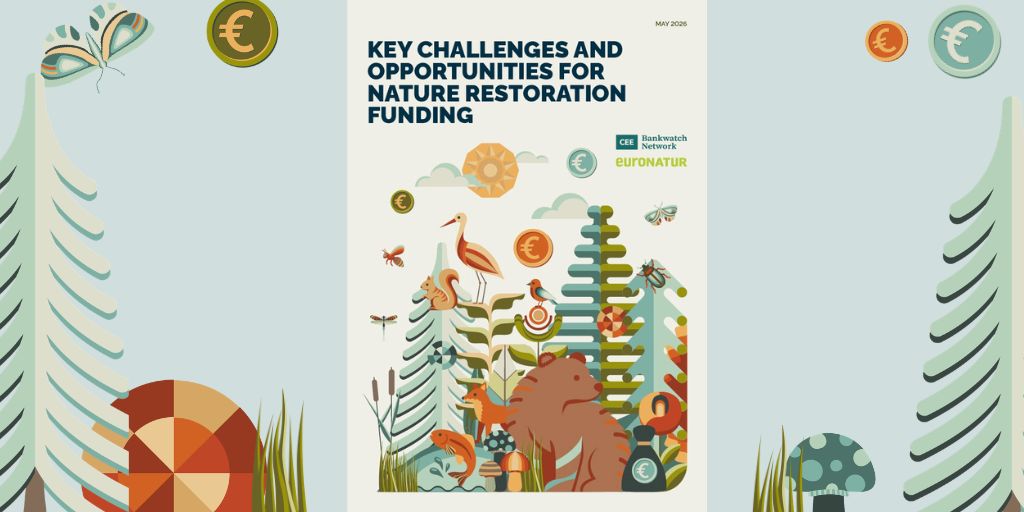
To support national planning, CEE Bankwatch Network and EuroNatur, in cooperation with national partners, led a study in five Member States – Poland, Estonia, Latvia, Hungary and Croatia – to estimate financing needs for effective nature restoration.

