
Economic justice policy officer
Email:Tel.:
More from
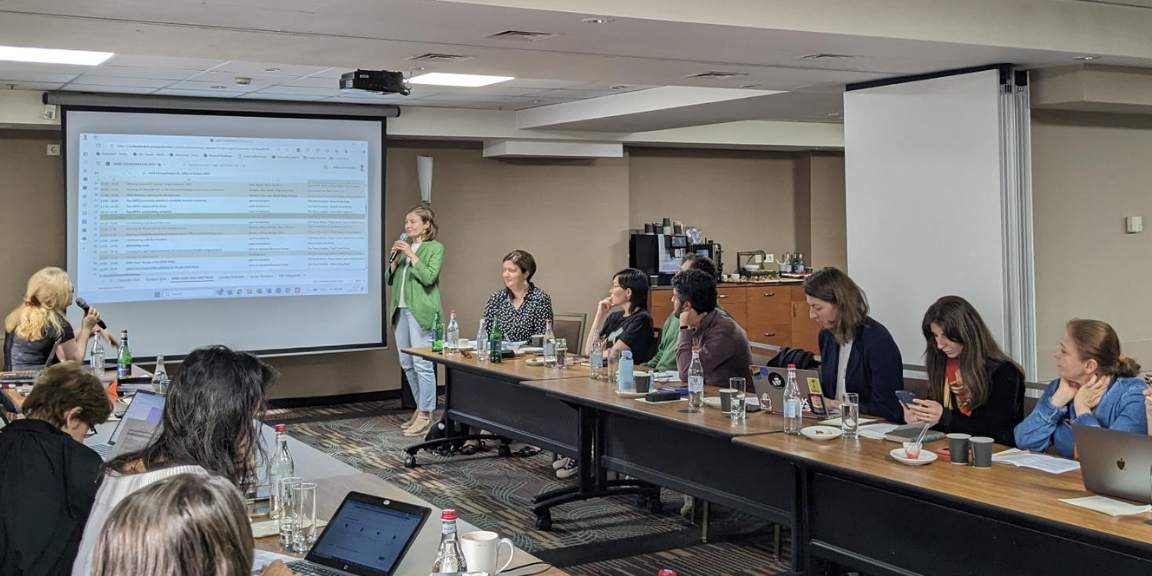
As the European Bank for Reconstruction and Development (EBRD) gathers for its 33rd Annual Meeting in Yerevan (1), civil society organisations have united to challenge the EBRD’s flawed policies. They highlight numerous cases where EBRD investments have had negative impacts on communities and the environment (2). CEE Bankwatch Network, a leading organisation in this effort, is also calling on the EBRD to take decisive action against the increasing repression of civil society in the countries where it operates.

With the recent adoption of the “foreign representatives” law in Kyrgyzstan and a similar “foreign influence” bill awaiting final approval in the Georgian parliament, civic space continues to shrink in the EBRD’s countries of operations.
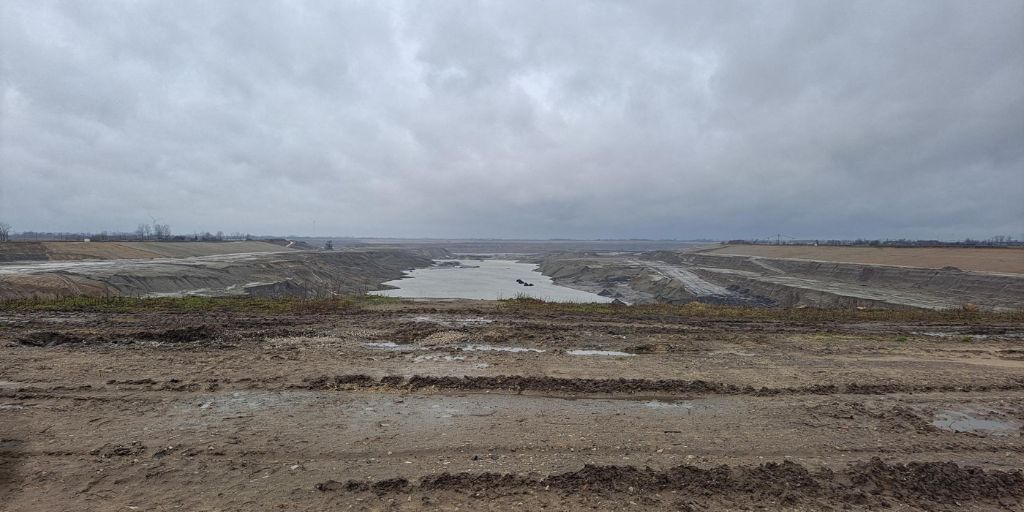
Eastern Wielkopolska, one of Poland’s just transition regions, urgently needs to repair the damage caused by decades of lignite mining. One controversial hydrological project slated for the region aims to flood open pits and stabilise water levels. But while these measures appear to be positive steps towards making amends, the environmental impacts of the project have not been assessed, which is likely to result in a number of unintended and damaging consequences.
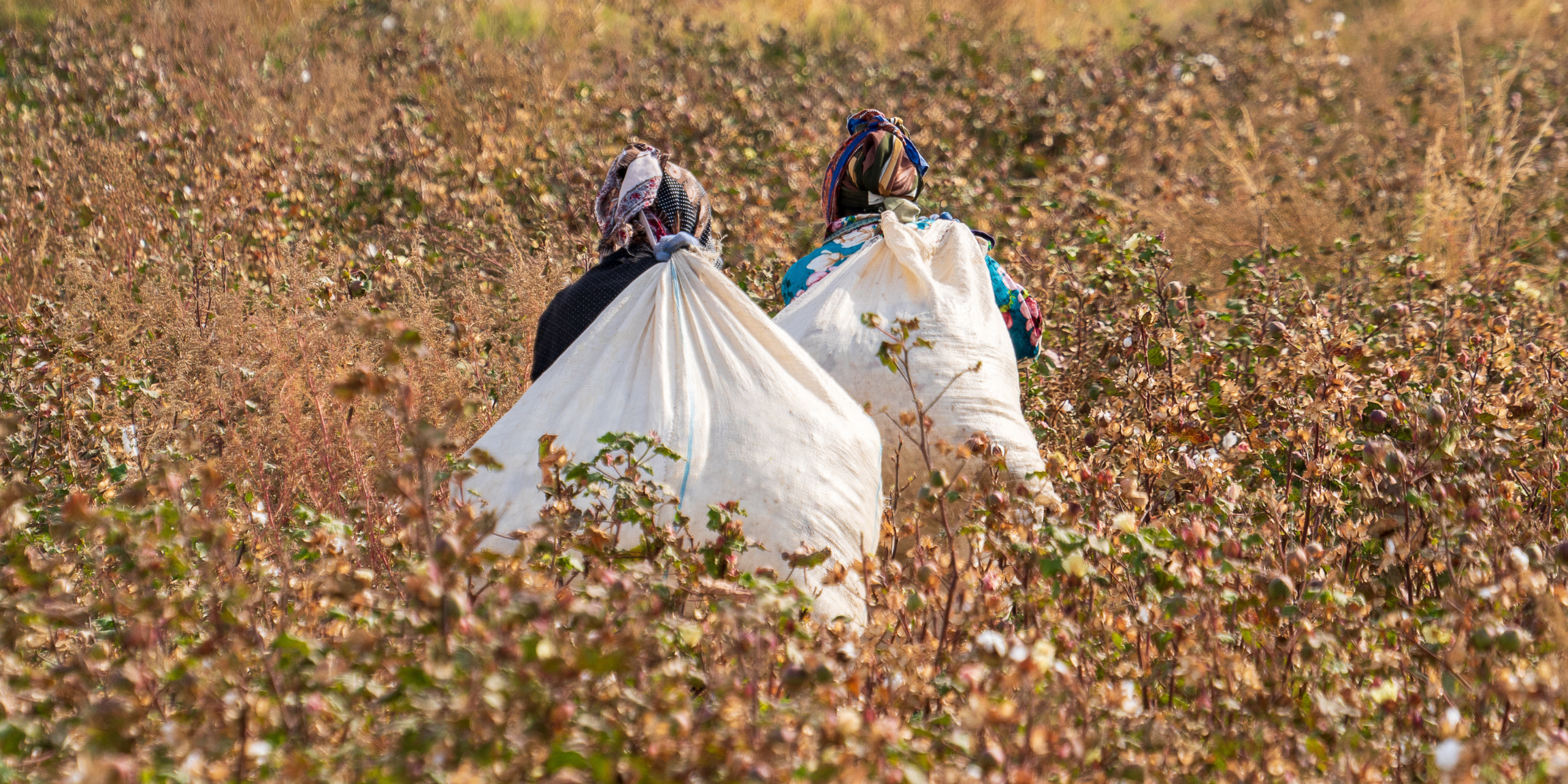
As the EBRD gears up for its Annual Meeting on 14 May, the FIDH and Bankwatch release a report comparing the lending policies of four major public development banks whose loopholes are contributing to human rights violations.
Despite environmental and social safeguards in place, projects financed by public development banks all too often violate human rights.

