
Economic justice policy officer
Email:Tel.:
More from

Although the EU has managed to brave the energy emergency triggered by Russia’s assault on Ukraine, a Bankwatch report released today reveals that the Polish, Croatian and Bulgarian governments are still seeking at least EUR 1.5 billion in EU public money to build new fossil gas infrastructure under the guise of an emergency response.
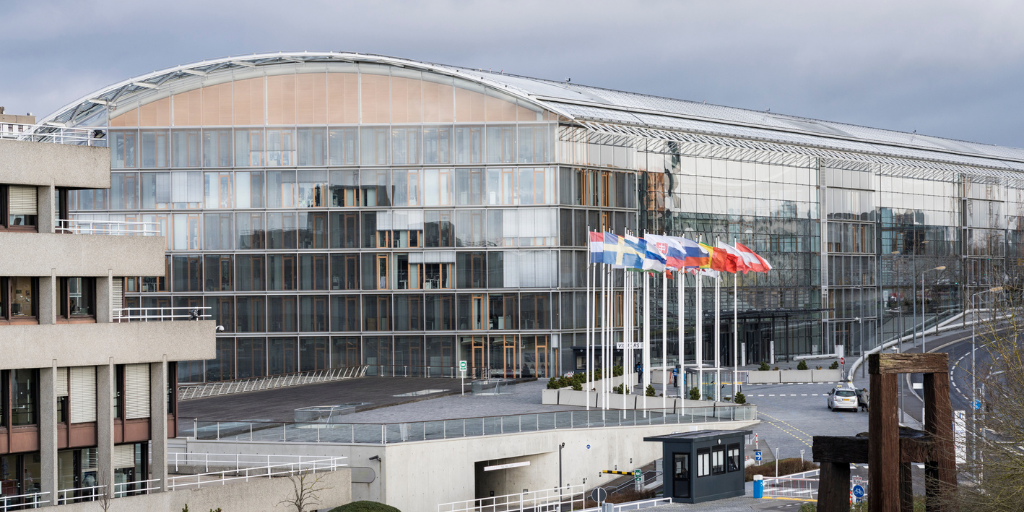
The European Investment Bank (EIB), the EU’s lending arm, is facing renewed pressure to improve its transparency (1). In a recent decision, the Ombudsman highlighted the EIB’s insufficient justification for withholding access to environmental information related to a significant loan granted to Poland’s largest state-owned energy utility, PGE (2).
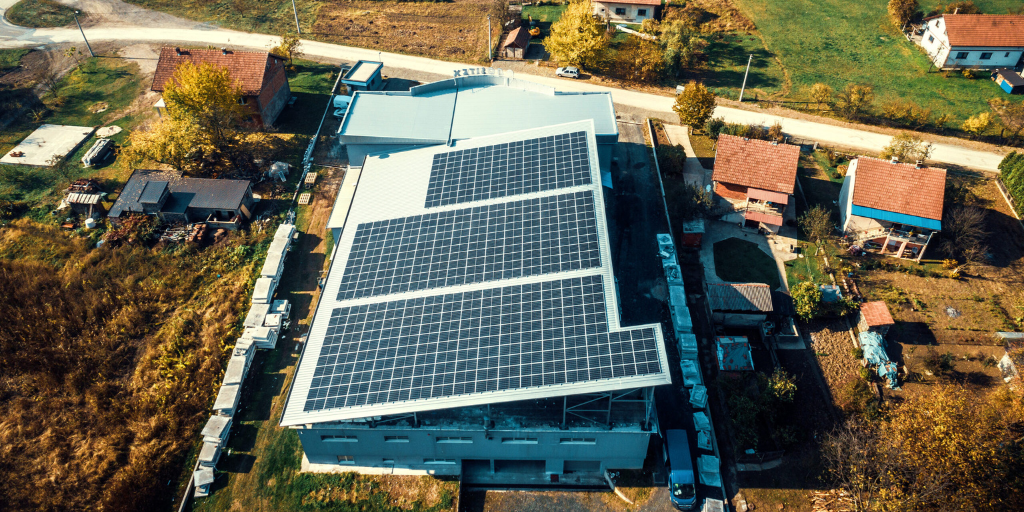
Investors complain about excessive administrative requirements to build wind farms, but the poorly-controlled proliferation of hydropower plants indicates a dearth of environmental and social safeguards. How can sustainable renewables be built quickly enough while protecting nature and ensuring public participation?
This analysis begins with an overview of the permits required for building renewable energy facilities in the two entities of Bosnia and Herzegovina: the Federation of Bosnia and Herzegovina (FBiH) and Republika Srpska (RS).
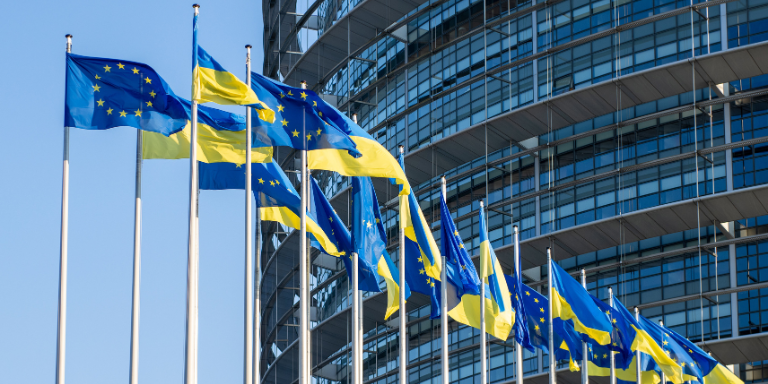
Together with Ukrainian civil society organisations Ecoaction and Razom We Stand, Bankwatch sent initial comments to the European Parliament on the proposed regulation on Ukraine Facility. To foster green reconstruction and bring Ukraine closer towards EU membership, the civil society groups argue that the Facility must prioritise public participation and environmental sustainability.

