
Southeast Europe Energy Policy Officer
Email: pippa.gallop AT bankwatch.orgTel.: +385 99 755 97 87
Pippa works as Bankwatch Southeast Europe energy advisor, with a specialisation in coal and hydropower in the Western Balkans. She is based in Zagreb, Croatia and speaks English, Croatian and rusty German.
More from Pippa Gallop
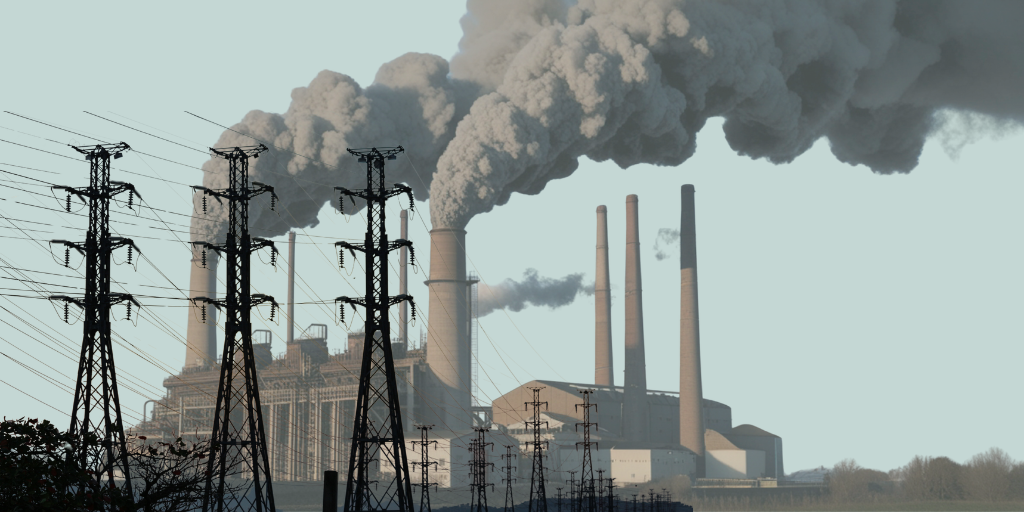
The inclusion of electricity in the EU’s Carbon Border Adjustment Mechanism (CBAM) has raised questions about CBAM’s impacts on EU-Western Balkans market integration. But in a new joint civil society position paper, we argue that market integration can only work with a level playing field on environment and climate, and CBAM can contribute to this.

Bosnia and Herzegovina’s Upper Drina hydropower scheme would turn 30 kilometres of this iconic river into stagnant reservoirs and cut a key Danube Salmon habitat into pieces. Its largest dam would be the 118-megawatt Buk Bijela, first proposed in the 1970s but repeatedly scuppered due to its impact on Montenegro’s Tara Canyon. Now a new environmental assessment is out for public consultation, but it’s being more than economical with the truth.
The European Commission launched the Green Agenda for the Western Balkans in 2020. But five years later, progress is limited. In mid-October, an updated Action Plan was endorsed by Western Balkan leaders. Here we look at whether civil society proposals were taken into account and whether the revised plan can inject new dynamism into the process.
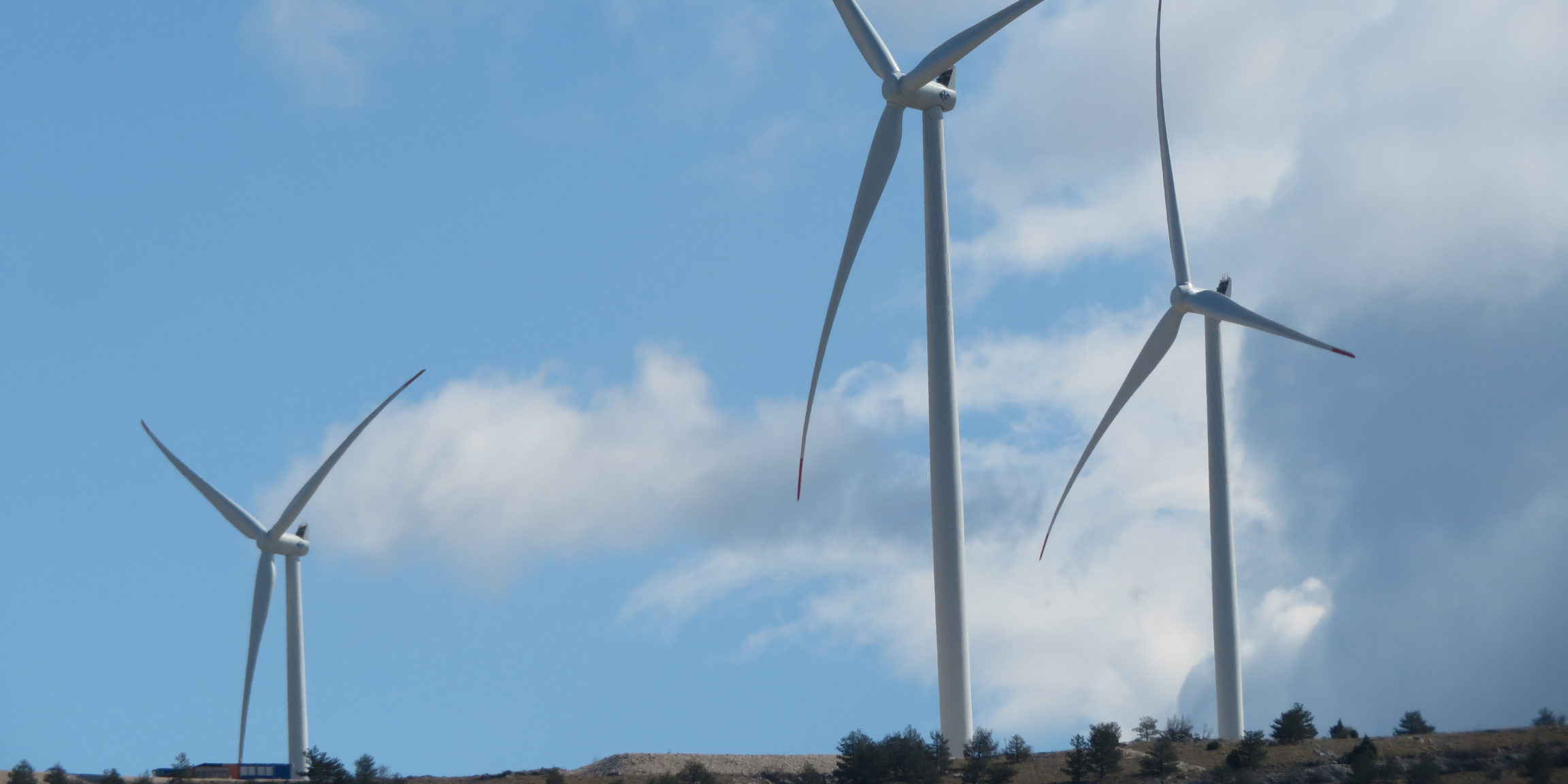
The EBRD’s review of its GET approach should help to build an increased consensus on what investments can be considered ‘green’. This issue paper presents the key points from our extensive comments submitted to the EBRD in early April 2025.
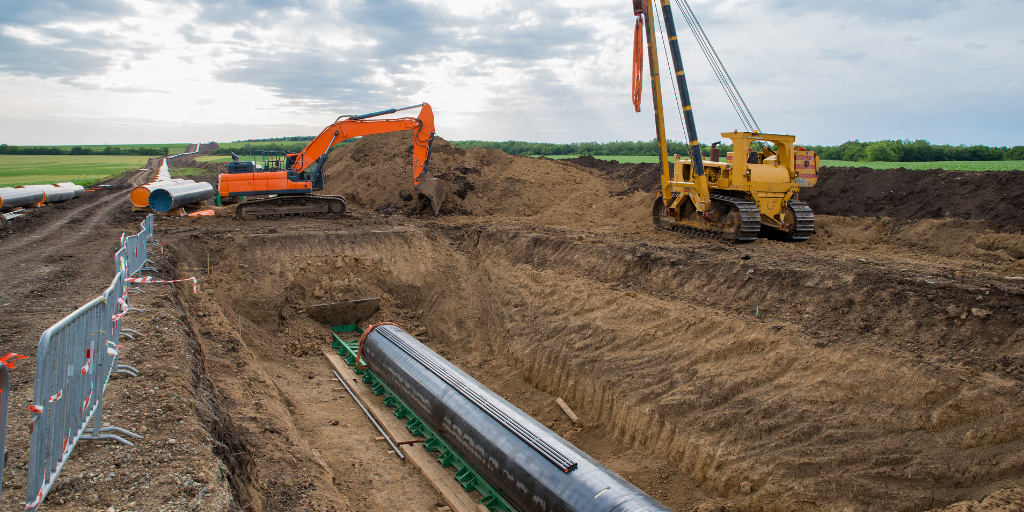
Fossil gas makes up less than three per cent of total energy supply in Bosnia and Herzegovina (BiH), but instead of making use of the opportunity to leapfrog straight from coal to renewables, the Federation of BiH (FBiH) government is inexplicably expanding its gasification ambitions.

