
Southeast Europe Energy Policy Officer
Email: pippa.gallop AT bankwatch.orgTel.: +385 99 755 97 87
Pippa works as Bankwatch Southeast Europe energy advisor, with a specialisation in coal and hydropower in the Western Balkans. She is based in Zagreb, Croatia and speaks English, Croatian and rusty German.
More from Pippa Gallop

This position paper examines the European Commission’s concept paper on the ‘do no significant harm’ (DNSH) principle under the next EU long-term budget.
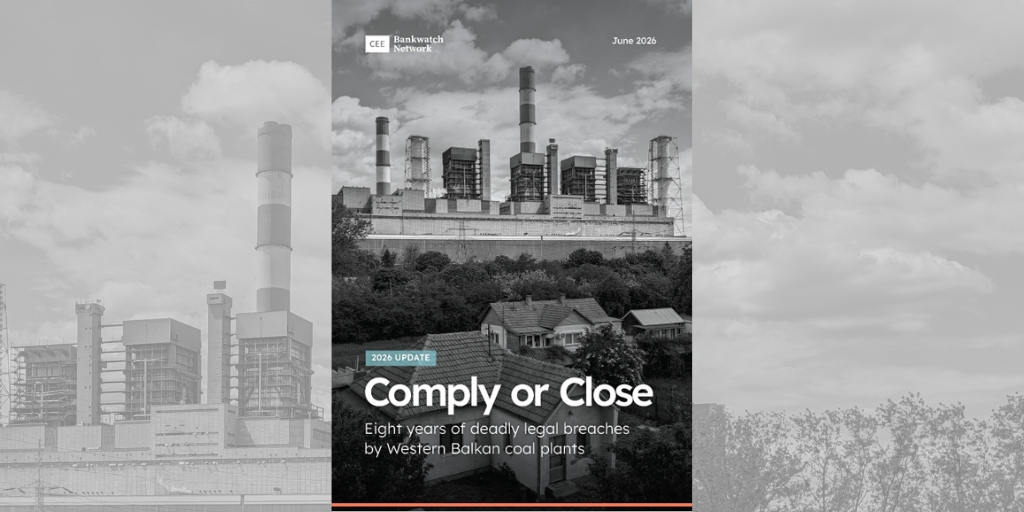
This report exposes the systematic, deadly breaches of air pollution limits by coal-fired power plants in the Western Balkans – eight years after new pollution standards entered force.
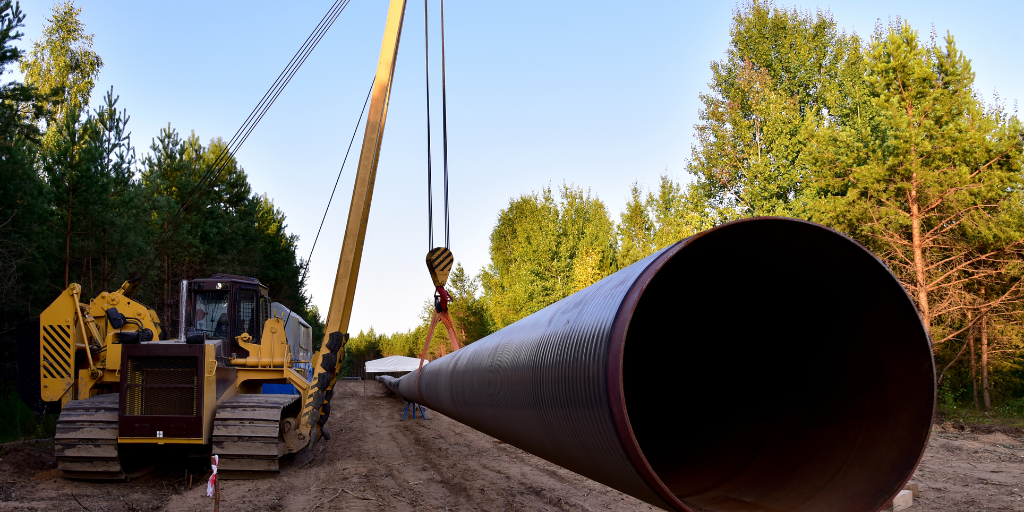
The Western Balkan countries have low or no fossil gas dependence, but the United States is trying to change this. As a major gas producer, its approach to the region is increasingly clashing with the EU’s decarbonisation agenda, raising the threat of increased import dependence or stranded assets.
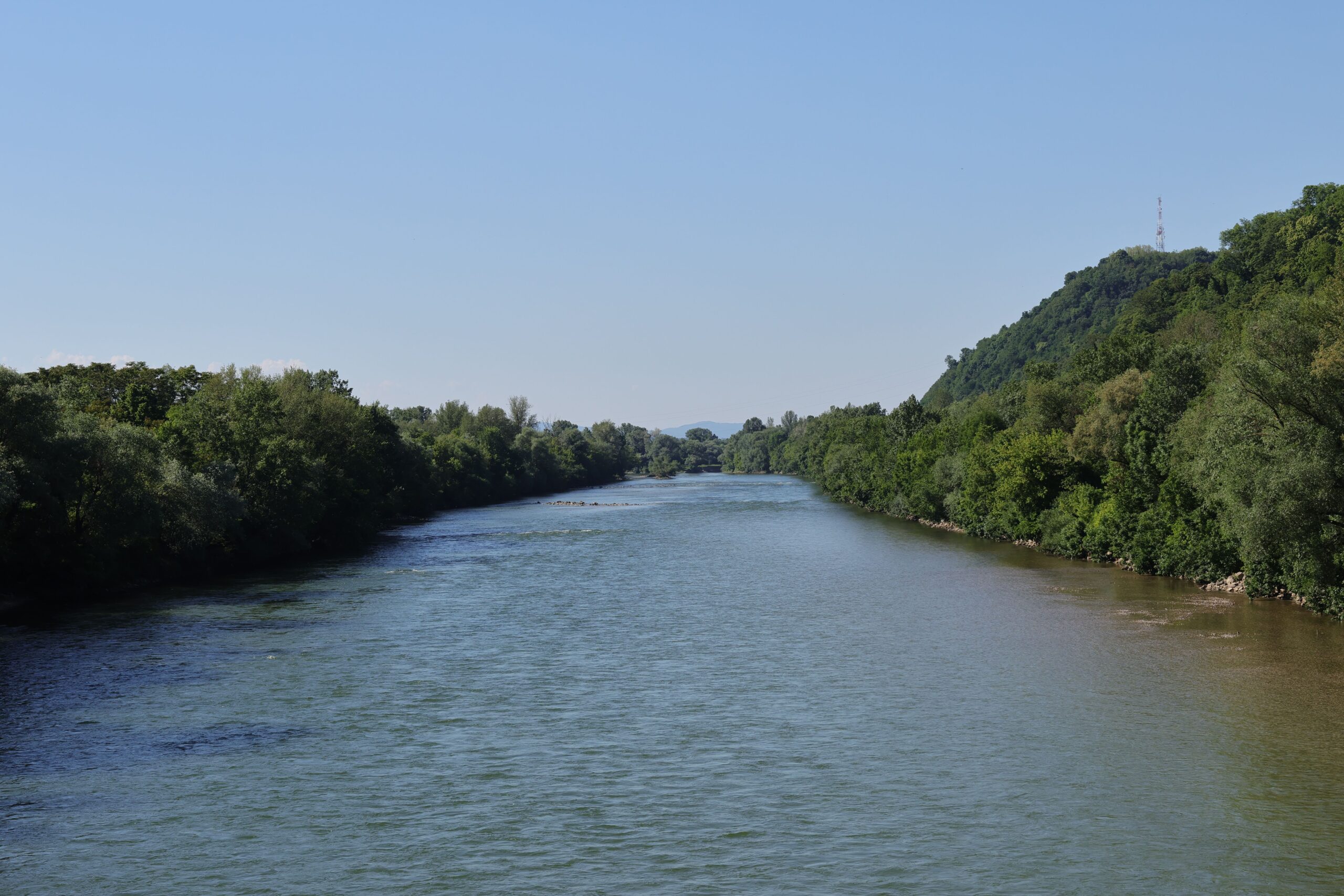
Slovenia’s state-owned Hidroelektrarne na Spodnji Savi (HESS) has for two decades been trying to build the controversial Mokrice hydropower plant on the river Sava. But poor quality environmental studies have been repeatedly quashed in court by the Slovenian Native Fish Society, and a recent transboundary assessment’s claims that the impacts will stop at the Croatian border are far from convincing.
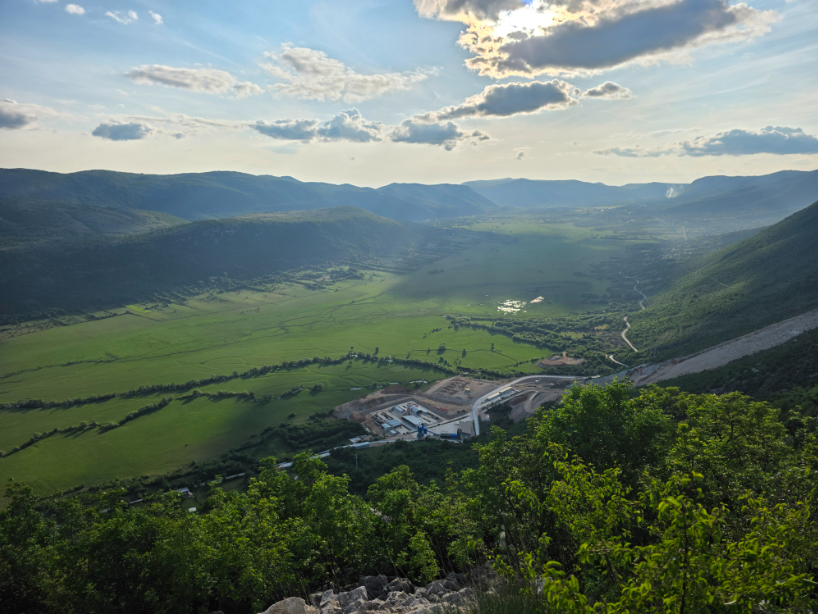
When the Republika Srpska authorities signed contracts with the China Eximbank to finance the Dabar hydropower plant at the end of 2021, it seemed like the first and largest part of the Upper Horizons complex was a done deal. Today, more than four years later, obstacles are piling up for this controversial project, providing a much-needed opportunity to rethink the whole idea.

