Thank you for confirming your interest!
You’ve been added to our press mailing list.
We will get in touch with you when we have relevant updates. In the meantime, check out our latest news on the institutions and projects we monitor.

INSTITUTIONS WE MONITOR
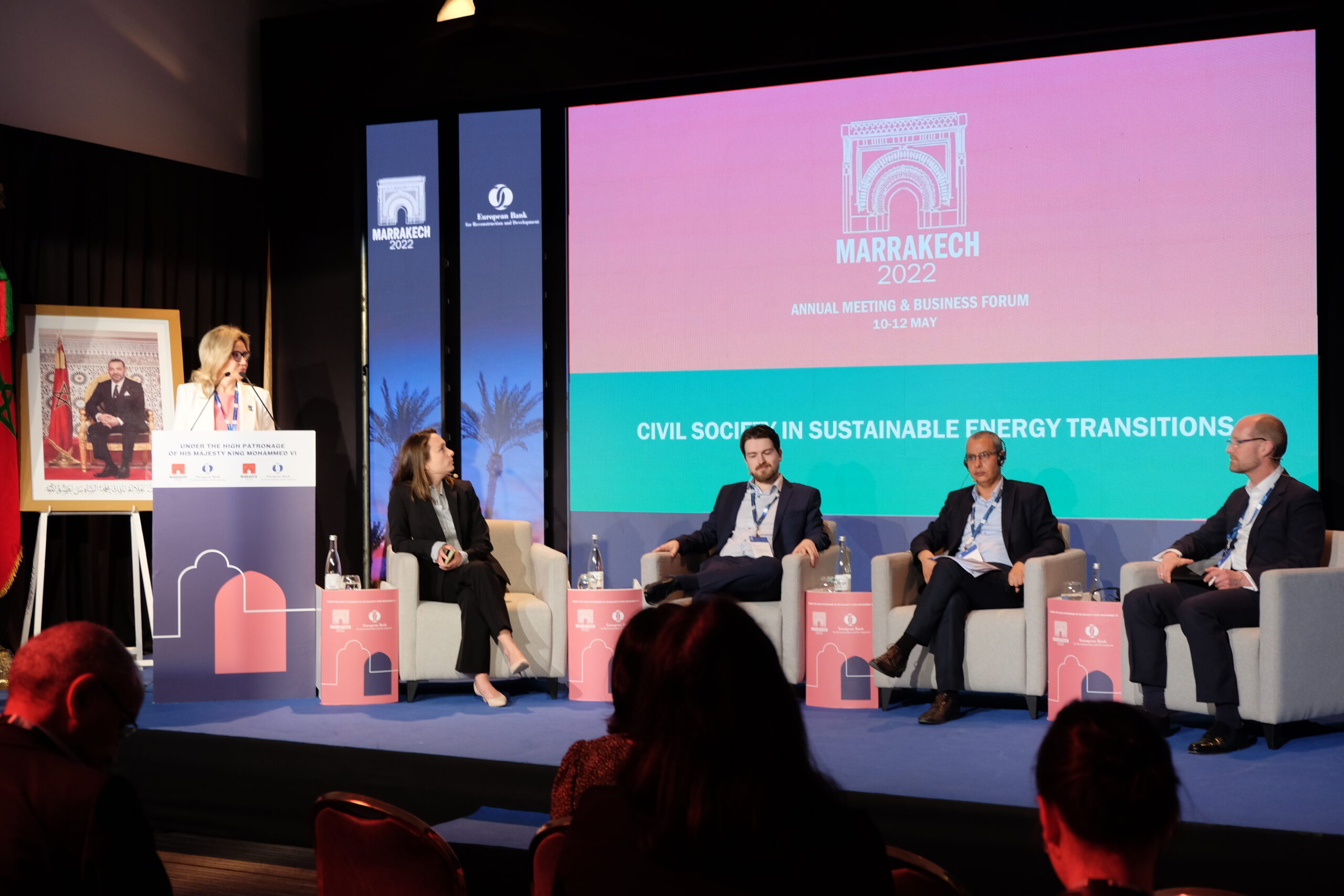
European Bank for Reconstruction and Development (EBRD)
Established to promote transition to market-oriented economies in the countries of central and eastern Europe and Central Asia, the EBRD’s lending often fails to benefit the people in these countries and regularly prioritises carbon-intensive and environmentally damaging development.
Read more
OUR PROJECTS
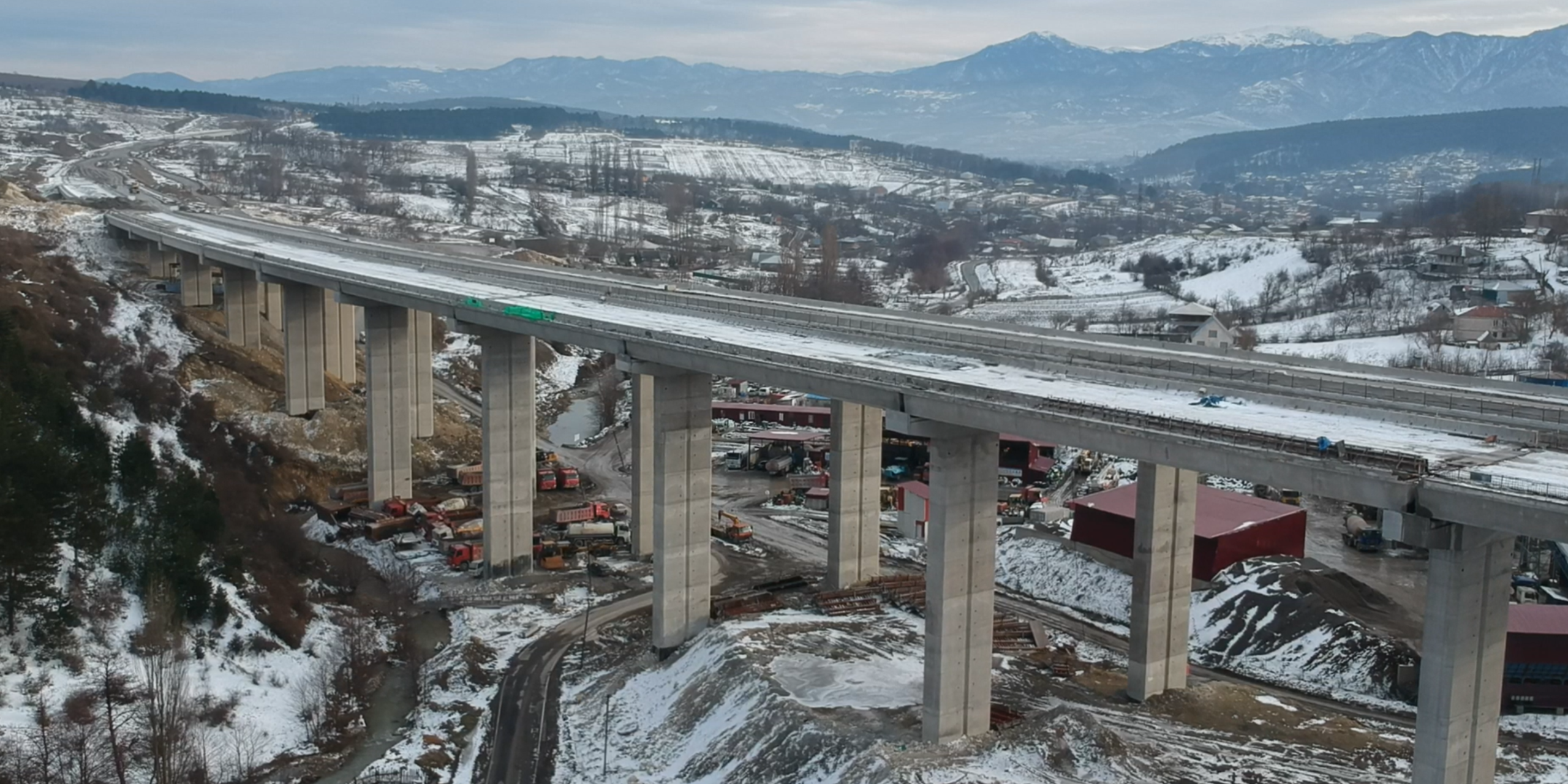
Georgia’s East–West and North–South road projects: Counting the true costs of highway expansion
The East–West Highway and the North–South Corridor – two key road infrastructure projects supported by major multilateral development banks, have had devastating social, environmental and cultural impacts in Georgia.
Read more
LATEST UPDATES
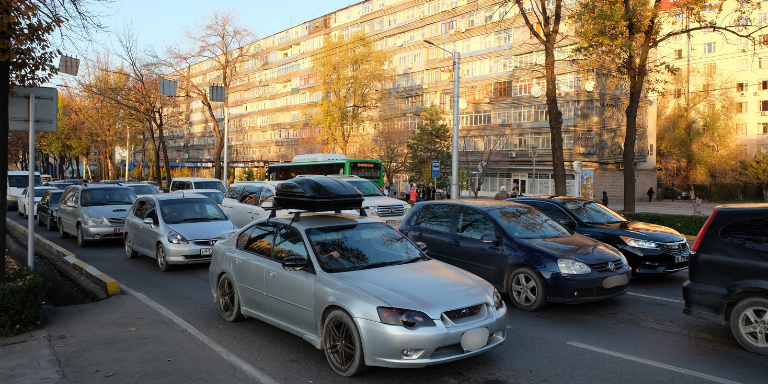
‘Changing lives’ in Bishkek: The cost of a green transport failure
The European Bank for Reconstruction and Development (EBRD) failed to trigger its environmental and social safeguards as the City of Bishkek got rid of 131 trolleybuses purchased with loans from the Bank. Will any lessons be learned from this fiasco?
Read more
European Investment Bank (EIB)
With a lending portfolio of EUR 72 billion (2010) the European Investment Bank (EIB) is one of the world’s biggest public lending institution – bigger even than the World Bank.
Read more

Free-flowing rivers in Central Asia
Central Asian rivers are under threat from hundreds of new hydropower plants. We have created a map of the key rivers in the region that need urgent protection and are calling on the development banks to stop their destruction.
Read more
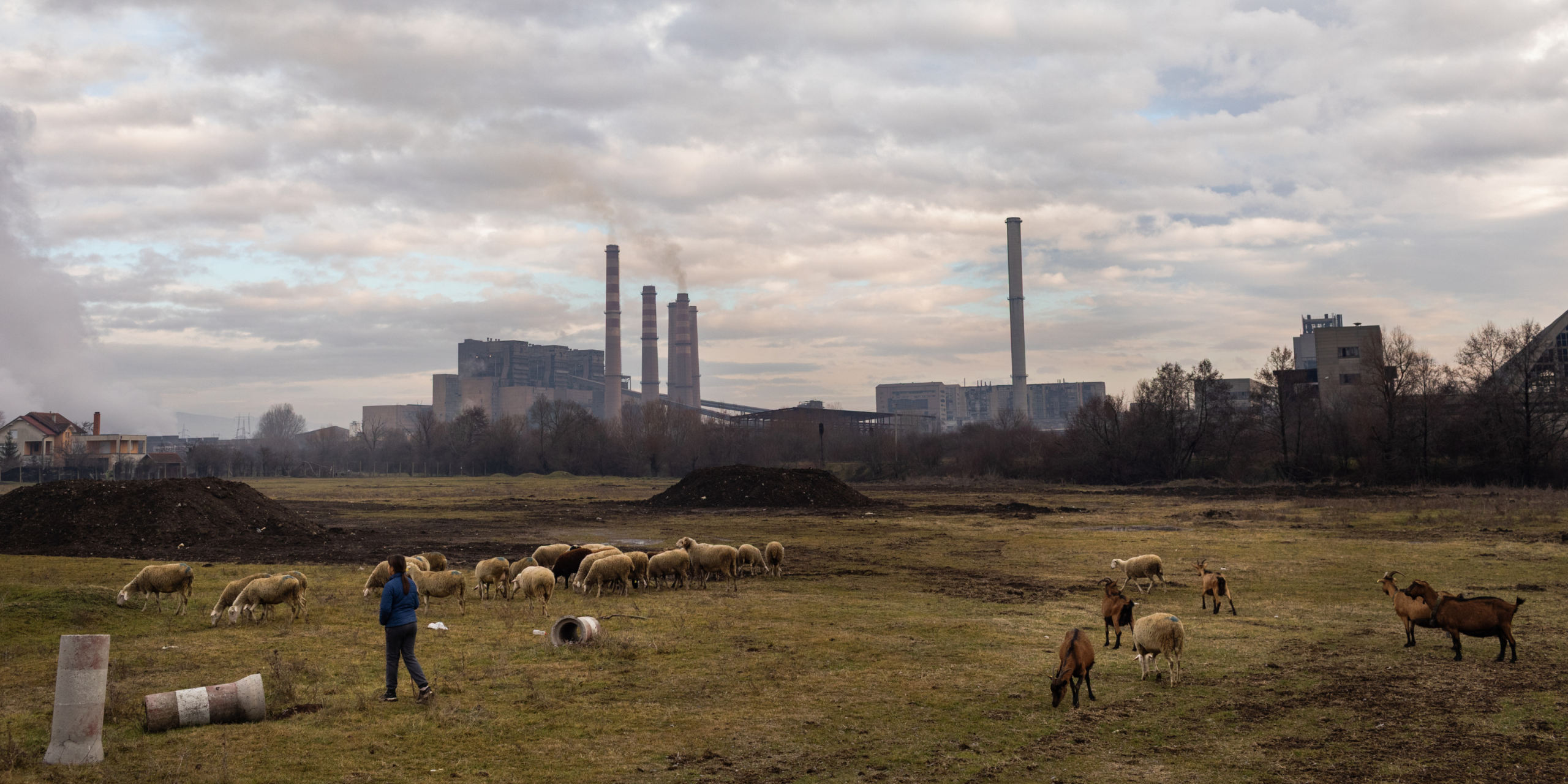
Western Balkans gets second chance at just transition: Can new support platform deliver?
For coal-dependent communities in the Western Balkans, the launch of the JET Balkans project marks a welcome end to more than two years without a dedicated regional support platform. But with political commitment, funding and transparency still in short supply, local authorities and civil society are wondering whether the initiative can turn planning into meaningful implementation, or whether it will repeat the shortcomings that have slowed just transition efforts across the region.
Read more
A new budget for a new Europe
For the European Union and its Member States to become more sustainable societies, the EU’s financial resources have to be spent towards consuming less energy and using resources more efficiently.
Read more

Emerald Network in the Western Balkans
Albania, Bosnia and Herzegovina, Montenegro, North Macedonia, and Serbia are required to establish a sufficient number of Emerald Network sites as signatories to the Bern Convention. However, since 2011, not a single new site has been proposed and many stunning rivers remain unprotected. The #EmeraldForRivers campaign aims to support governments in expanding the Emerald Network.
Read more
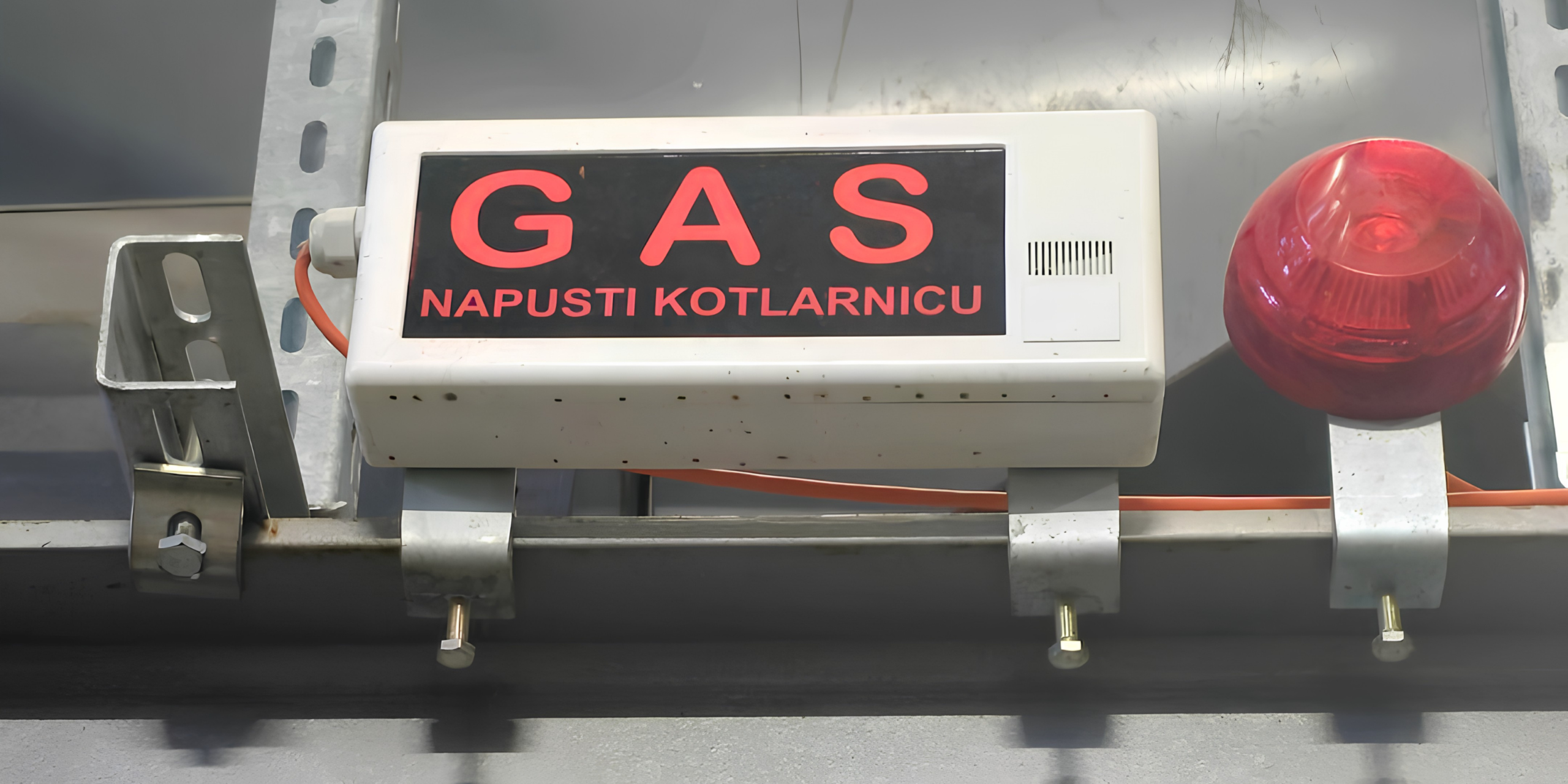
Serbia’s district heating utilities approaching breaking point due to gas import dependence
The current situation among district heating companies in Serbia provides a timely warning for Western Balkan governments still betting on new fossil gas infrastructure. In recent years, these governments have shown renewed interest in building new gas infrastructure. Many projects have been on the table for years, but new schemes are also being actively promoted by the United States.
Read more

