Moscow – St.Petersburg motorway PPP, Russian Federation
The 43-km section of the Moscow – St. Petersburg motorway near Moscow has triggered massive opposition in Russia and abroad. The section is slated to pass through Khimki Forest Park, a protected natural area with rich wildlife and of great importance to local people living in this polluted and densely populated region.
This is an archived project. The information here may be out of date.
Learn more about our current projects and sign up for the latest updates.
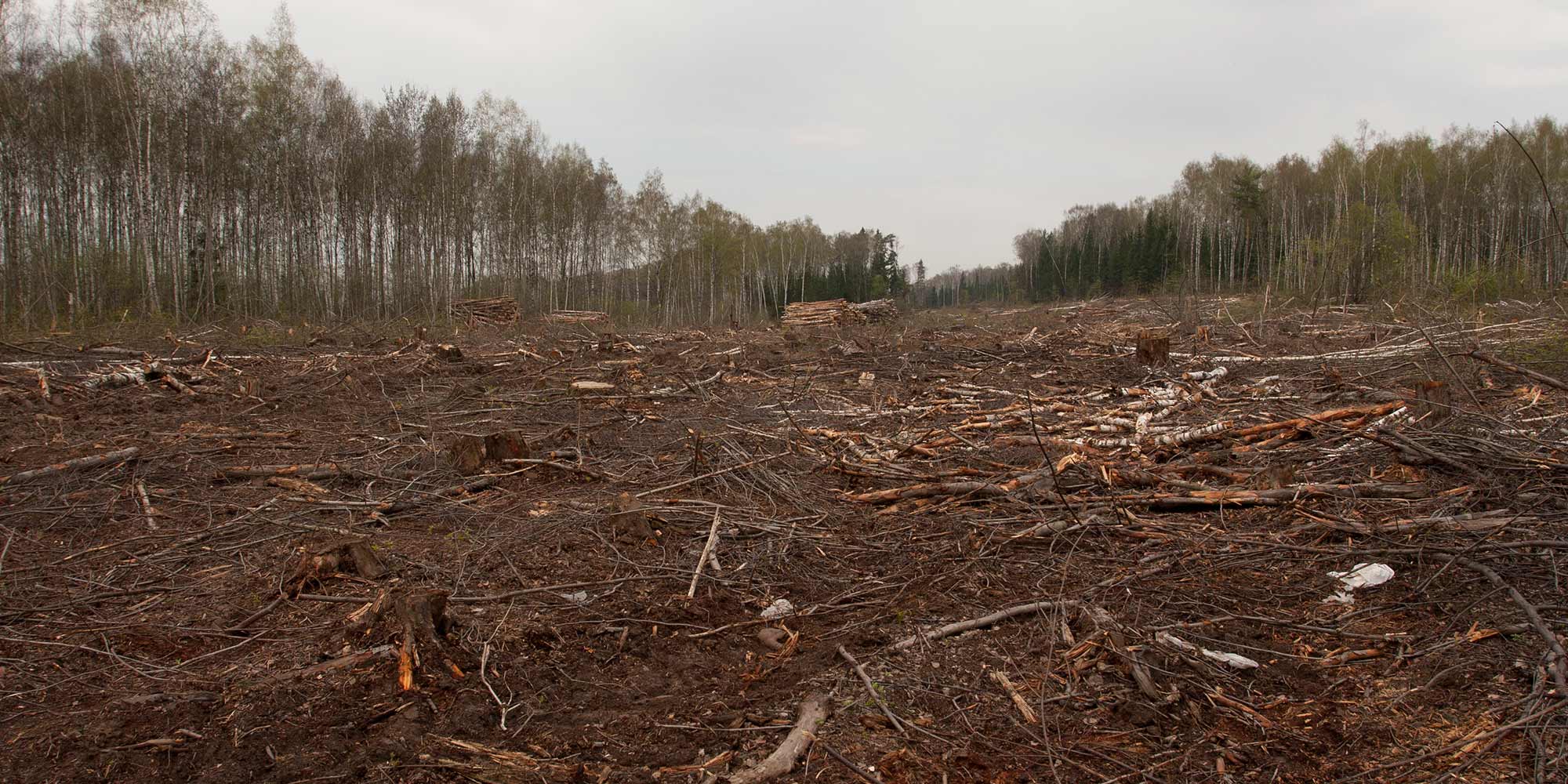
Image by Daniel Beilinson - https://flic.kr/p/9EAdBz
Stay informed
We closely follow international public finance and bring critical updates from the ground.
Background
In October 2010 at a meeting with the European Commission it was confirmed that the EIB and EBRD have both stopped preparing for participation in the project. While the EBRD has declared not to finance the motorway section, the EIB has only put their involvement on hold.
However Bankwatch remains vigilant to any change in the circumstances and continues supporting the Movement to Defend Khimki Forest that is still facing threats by Russian authorities.
In an interview he gave Bankwatch on the occasion of the EU-Russia civil society forum in Prague (March 28, 2011), Jaroslav Nikitenko from the Movement to defend Khimki forest describes the harassment and intimidation Muscovite activists have faced in their campaign to protect the Khimki forest.
The 43-km section of the Moscow – St Petersburg motorway near Moscow is expected to cost a massive EUR 1.5 billion. The motorway is to be a toll road constructed through a public-private partnership, in spite of the problems experienced with such models elsewhere, and a contract with a consortium including French construction company Vinci was signed on 27 July 2009.
The road has attracted lively opposition, as just outside Moscow, it is planned to pass through Khimki Forest Park, a protected natural area with rich wildlife including relic oak groves. It is a natural habitat for elks, boars and other wild animals, and is of great importance to local people living in this polluted and densely populated region. Among those opposing the planned variant of the road are the local Movement to Defend the Khimki Forest, the Moscow Duma, state ecological monitoring body Rosprirodnadzor, the Moscow State Department for Conservation and Natural Resources, most Russian political parties (except the ruling one), Greenpeace Russia and more than 15,000 citizens who have signed a petition to preserve Khimki Forest.
Most local people found out about the project by accident in 2007 when preliminary survey work was carried out in Khimki Forest. It sparked public outrage and mass protests, which have been met with aggressive responses. Activists have been arrested and meetings and tent camps systematically attacked. In November 2008 one of the activists, local journalist Mikhail Beketov, was brutally beaten. As a result, he became seriously disabled and is still undergoing hospital treatment.
The Movement to Defend Khimki Forest is appealing to the international financial institutions not to finance the project unless the route is changed to avoid Khimki Forest. They point out that a straighter route variant exists, alongside an existing railway line, which would most likely cost less.
Latest news
NGOs file a complaint against Vinci Russia for corruption of foreign public officials in Khimki Forest motorway case
Press release | 10 May, 2016A complaint filed last week is requesting an investigation into alleged corruption involving French company Vinci in the construction of a controversial motorway through Khimki Forest near Moscow. The complaint was filed to Nanterre’s chief investigating judge by civil society groups Sherpa and CEE Bankwatch Network, activists Evgenia Tchirikova and Mikhail Matveev, and with the support of Princip, defenders of the Khimki forest.
Read more2 ONG déposent plainte contre Vinci Russie pour corruption d’agent public étranger
Bankwatch in the media | 10 May, 2016Après une première plainte déposée il y a trois ans contre Vinci concessions Russie SA, Sherpa récidive. L’association s’est alliée à CEE Bankwatch Network pour porter plainte avec constitution de partie civile auprès du doyen des juges d’instruction de Nanterre. Une action soutenue par Princip, une association de défense de la fôret de Khimki. Elles accusent l’entreprise de corruption d’agent public étranger dans le cadre de l’attribution du marché de construction du tronçon de l’autoroute MK 15-58.
Read moreNGOs welcome enquiry by Paris prosecutor into financial crimes related to the VINCI CONCESSIONS RUSSIE SA Moscow-St. Petersburg motorway
Press release | 4 October, 2013Paris, 3 October 2013 – Todays announcement by the Paris Prosecutor to open a preliminary enquiry into financial crimes related to the construction of a motorway between Moscow and St. Petersburg [1] has been welcomed by NGOs Sherpa, Russie-Libertés, CEE Bankwatch Network, MOBO Princip, and members of Russian civil society, who lodged the complaint in June 2013.
Read moreRelated publications
More questions than answers – the EBRD’s new country strategy for Russia
Bankwatch Mail | 10 May, 2013 |The new EBRD country strategy for Russia that will apply for 2013-2015 attracted input and comments from several human rights and environmental watchdogs, among them Human Rights Watch, WWF, Greenpeace and Bankwatch. As part of the consultation on the new strategy, NGOs expressed concerns about the current political and social situation in Russia as well as the dangers of natural resource development. The comments were incorporated into the strategy document but it remains unclear if NGOs were able to influence actual decision-making.
Letter reiterating Vinci’s failure to respect Global Compact commitments on human rights
Advocacy letter | 20 June, 2011 | Download PDFBankwatch and the Movement to Defend Khimki Forest wrote to the Global Compact on 28th March 2011 regarding Vinci’s non-compliance with its Global Compact Commitments in relation to the first section of the Moscow – St. Petersburg motorway project. Our letter subsequently formed the basis of an enquiry to Vinci by the Business and Human Rights and Human Resource Centre, to which Vinci responded on 26th April 2011. Having carefully reviewed Vinci’s response, we still believe that the company is not in compliance with its Global Compact commitments.
Vinci – a cover for oligarchs and tax havens in Russia’s first road PPP
Study | 30 April, 2011 | Download PDFAn opaque web of offshore companies and oligarchs behind the controversial EUR 1.5 billion first section of the Moscow–St. Petersburg motorway public-private partnership provides new grounds for the Russian government to re-examine the controversial project, according to this new research by CEE Bankwatch Network and the Movement to Defend Khimki Forest.

