Fossil fuels are fast losing their social license. It is becoming increasingly evident that countries’ continued reliance on dirty hydrocarbons escalates the climate crisis, worsens air pollution and enables war.
Long touted as a ‘bridge fuel,’ fossil gas now needs to be recognised by policymakers for the hurdle to the energy transition that it is, and multilateral development banks should urgently end support for gas projects and gas-dependent companies.
The energy transition has to be just and fast, with citizens, municipalities and workers as critical participants in the process. We are working to ensure no more public money is spent on coal, and public finance is used to accelerate this transition.
Stay informed
We provide updates in English from the Balkans and other coal regions.
IN FOCUS
Fossil gas
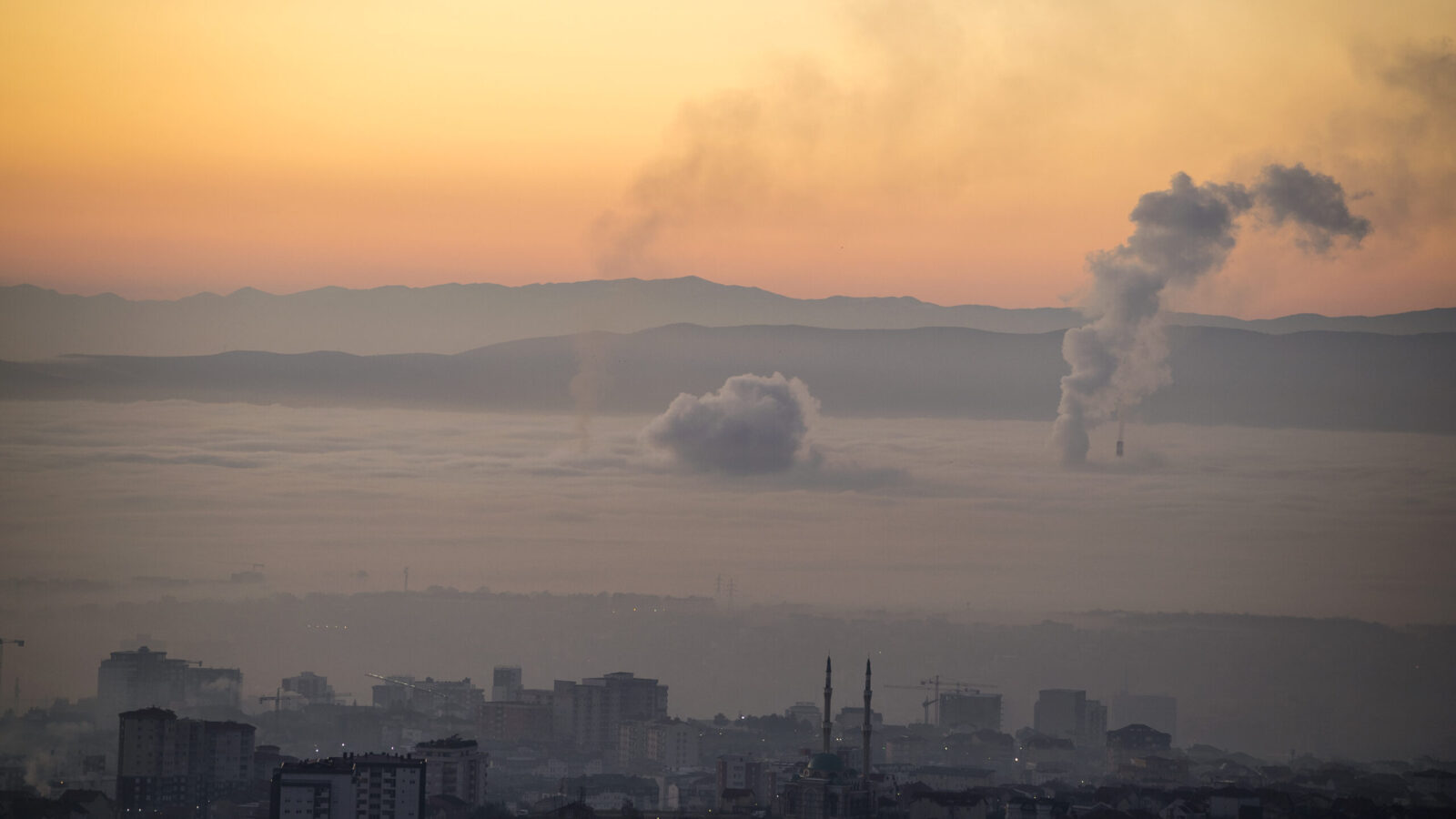
Fossil gas is the new coal. Although often labelled ‘natural,’ fossil gas is a major driver of the climate crisis. There is no more room for new investments in fossil gas projects if we are to avert the worst impacts of the climate crisis and set a path towards decarbonisation.
District heating
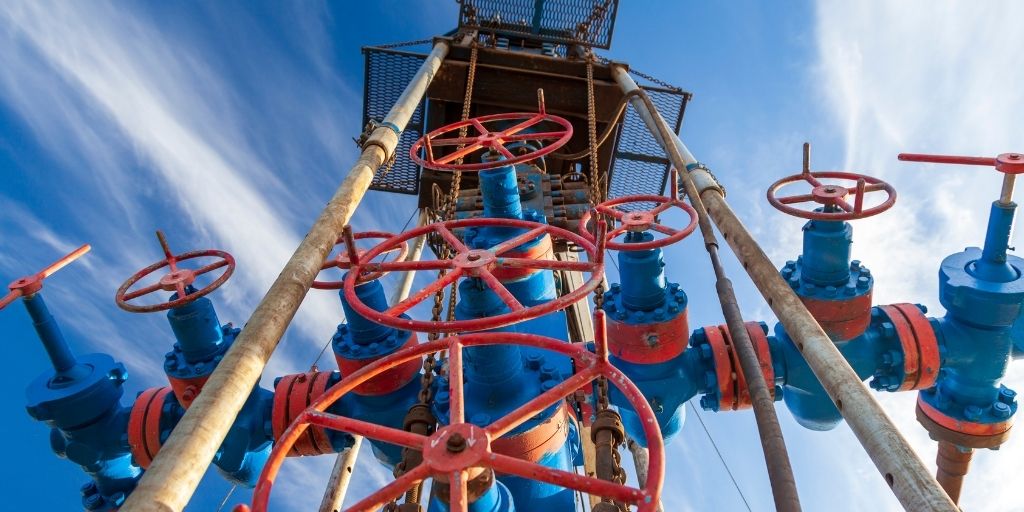
District heating and individual heating are still dominated by fossil fuels and inefficient burning of wood without regard to sustainability criteria, in combination with a low degree of energy efficiency. This has to change, since heating plays a crucial role in the transition into a clean and zero-carbon economy.
Just transition
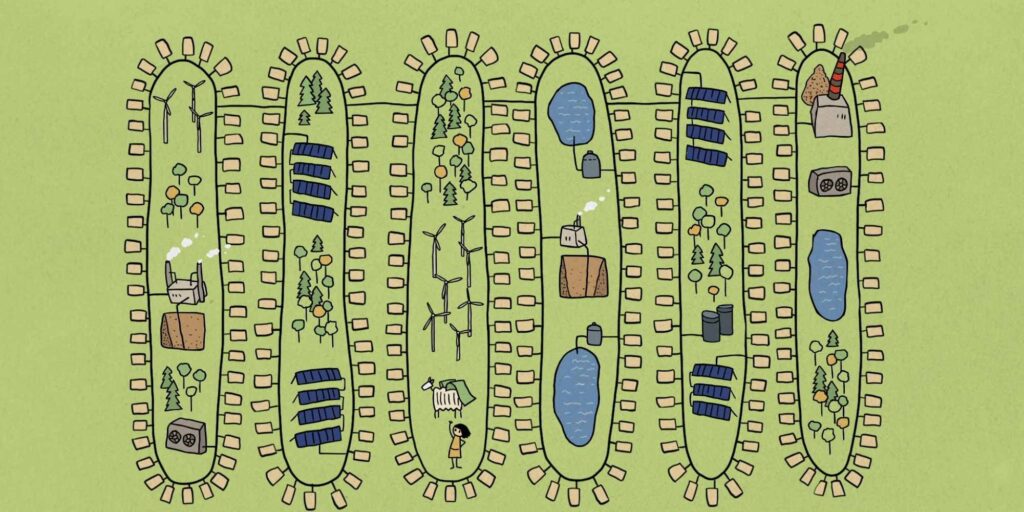
No one should be left behind when we reconstruct our world into one driven by clean energy. Working on just transition brings all actors who believe in fair regional redevelopment to the same table: unions, industry, public administration, governments, civil society and others sharing this goal.
Modernisation fund
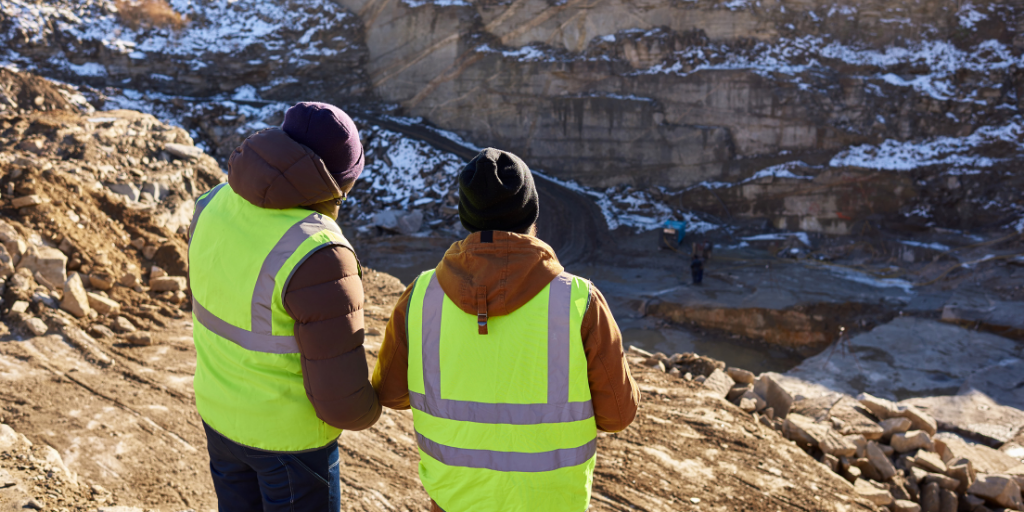
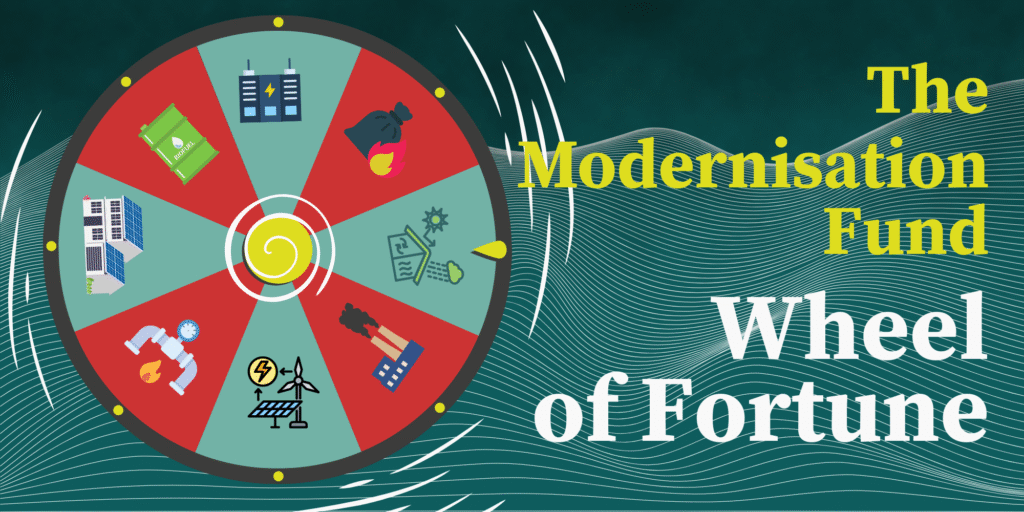
The Modernisation Fund can make a big difference. Redirecting future spending away from polluting energy sources while increasing support for sustainable energy investments would help Europe reduce emissions, slash air pollution, cut energy bills, improve energy security, and end the EU’s dependence on authoritarian regimes. To realise its potential, the Modernisation Fund needs to reform.
But will the EU seize the opportunity or leave its citizens to suffer the consequences?
Documentary: Turning the Tide
Our documentary exposes, for the first time, the extent of financial support four of the world’s leading multilateral development banks (MDBs) – the World Bank, the European Investment Bank, the Asian Development Bank and the European Bank for Reconstruction and Development – have been providing to the global fossil fuels industry over the past 13 years.
Our analysis shows that since 2008, the oil, coal and gas business has been enjoying no less than EUR 81.5 billion in support from these government-owned financial institutions in the form of loans, grants, credit lines and guarantees.
Coal projects
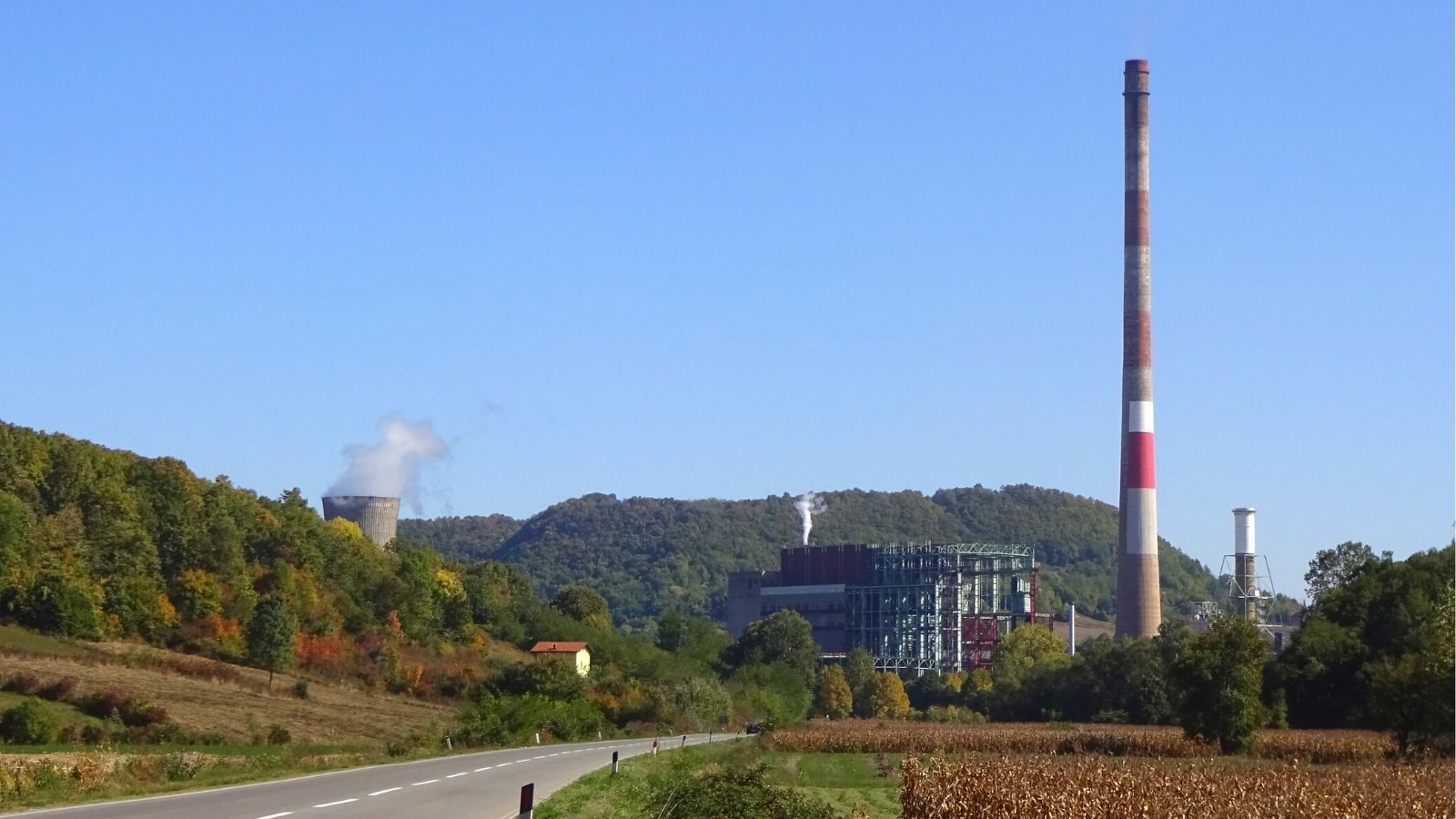
Ugljevik power plant, Bosnia and Herzegovina
Commissioned in 1985, the 300 MW coal power plant in Ugljevik, Bosnia and Herzegovina, has become famous for emitting more sulphur dioxide than all of Germany’s coal power plants in 2019.
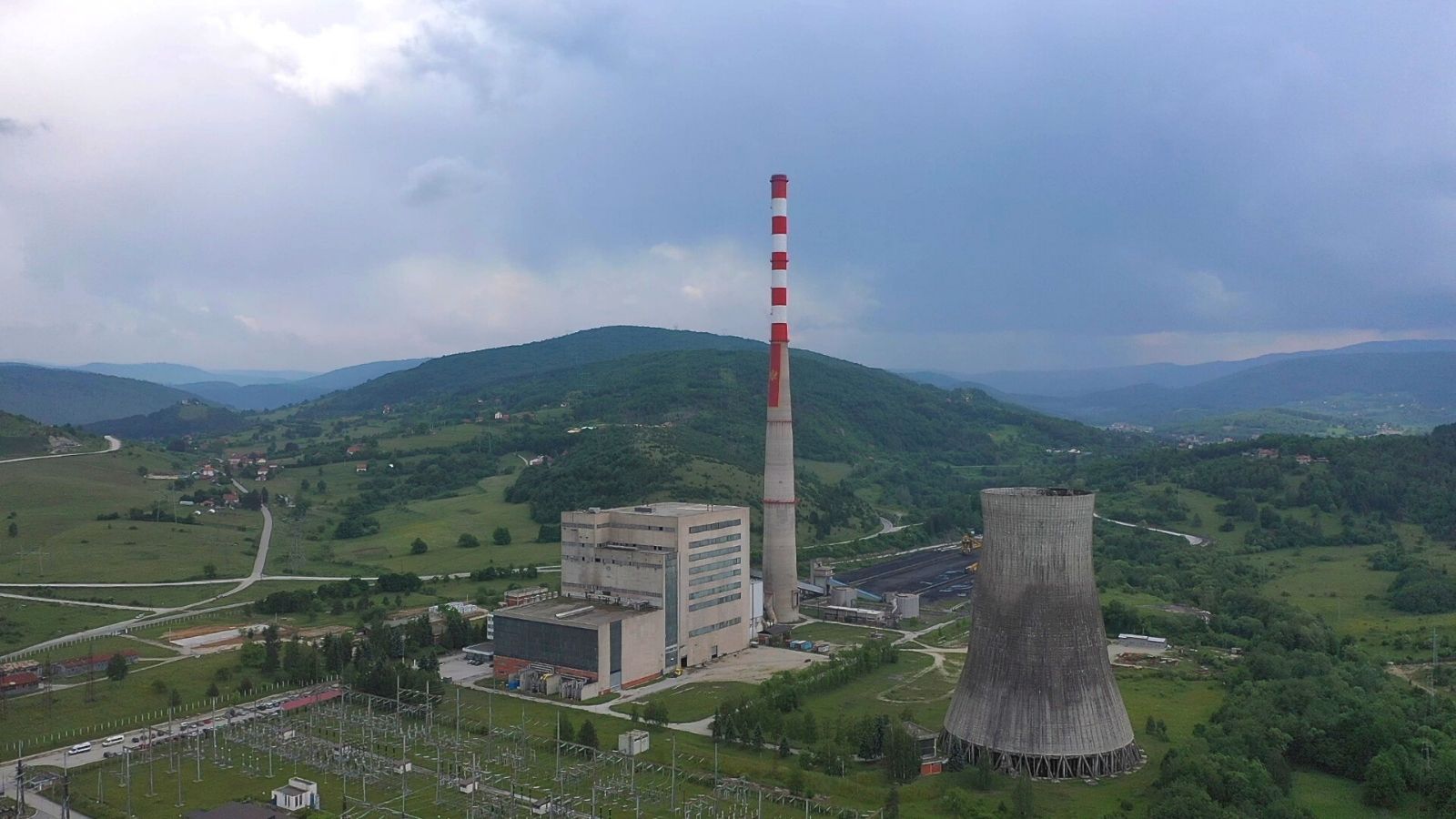
Pljevlja I power plant, Montenegro
The existing 225 MW Pljevlja thermal power plant in the north of Montenegro, near the borders with Serbia and Bosnia-Herzegovina, has been operating since 1982. The plant was originally planned to comprise two units but the second one was never built. The plant, along with the extensive use of coal and wood for heating, has caused unbearably bad air quality in the town.
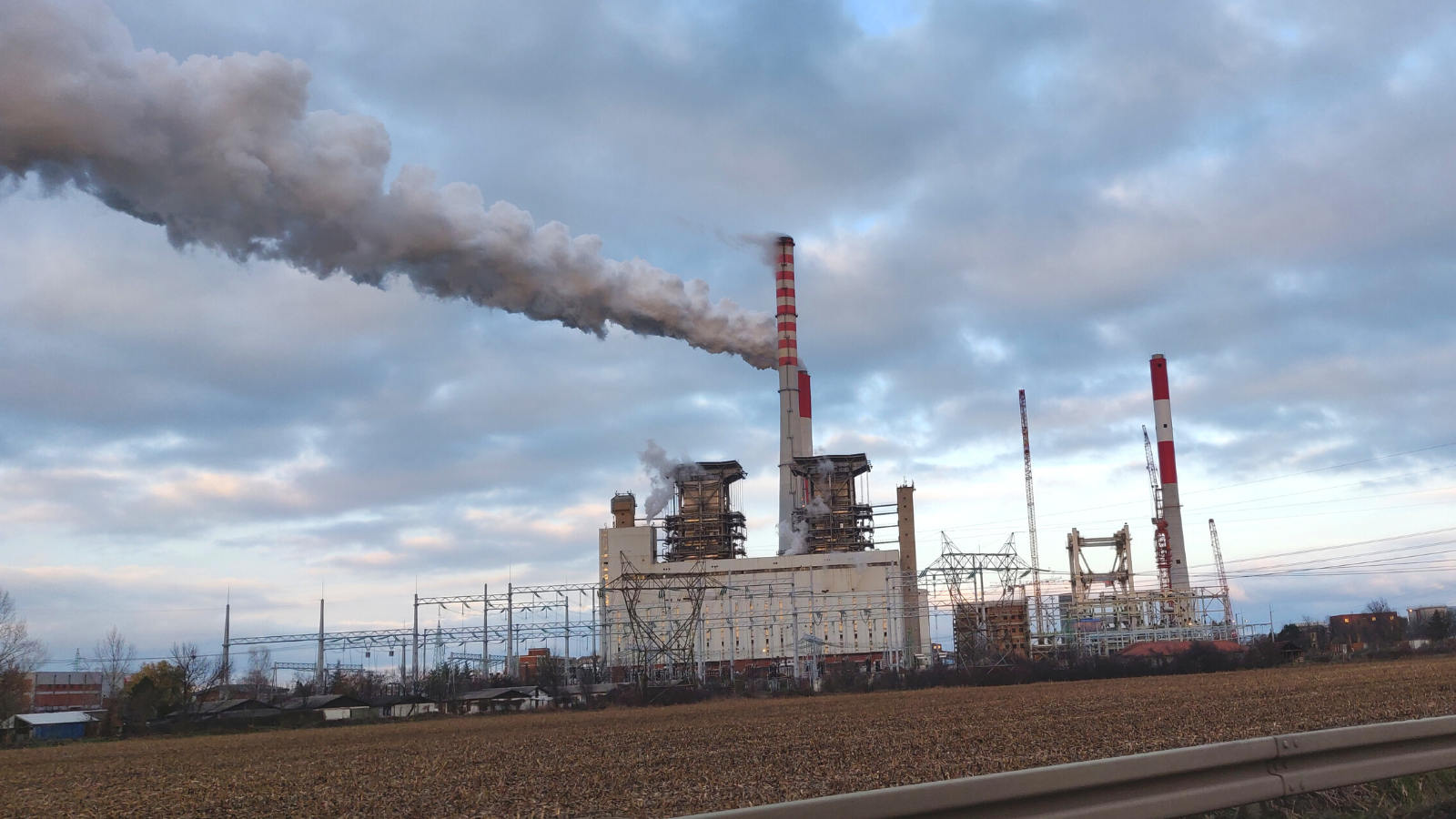
Kostolac B power plant (B1, B2), Serbia
The Kostolac B power plant, consisting of 2 units of 350 MW each, first started operating in 1987. In 2024, the plant delivered 4359 GWh of electricity to the grid, around 14 per cent of the country’s coal-based generation.
Latest news
Romania’s energy crisis exposes faltering gas strategy as battery storage surges
Blog entry | 30 September, 2026Romania’s energy crisis has laid bare the risks of relying on delayed gas projects to replace coal power. Meanwhile, battery storage has been developing much faster and is already providing much-needed flexibility. Even a state-owned coal company with designs on a gas power plant is now pursuing battery storage instead.
Read moreRomania prepares to launch 1.1 GW gas-fired turbines next month
Bankwatch in the media | 29 September, 2026Romania’s Mintia gas-fired power plant is set to launch with an initial capacity of about 1.1 GW next month, increasing to 1.7 GW early next year, the country’s energy ministry told Montel on Monday. CEE Bankwatch Network last week criticised Romania’s focus on new gas capacity, arguing that battery storage was developing faster and could provide flexibility to the power system.
Read moreRomania’s gas strategy falters as battery capacity surges – NGO
Bankwatch in the media | 29 September, 2026Romania’s battery storage capacity has expanded rapidly and is already providing grid flexibility, while the ongoing energy crisis has exposed the country’s failings in focusing on delayed gas projects, NGO CEE Bankwatch Network said on Friday.
Read moreRelated publications
Heating in the Western Balkans. Overview and recommendations for clean solutions
Study | 27 May, 2021 | Download PDFThis report makes the case for the urgent need to decarbonise heating in the Western Balkans. Heating in the region is still predominantly reliant on fossil fuels and other unsustainable heating sources, like wood biomass burnt in inefficient stoves. T
A case study on the Beli Kamen and Komalj hydropower plants on the Crni Rzav and Ribnica Rivers in Serbia
Study | 22 April, 2021 | Download PDFThe small hydropower plants Beli Kamen and Komalj are built on the Crni Rzav and Ribnica Rivers of the Drina basin in western Serbia. Both plants are interconnected, as they use water from the same intakes and were financed by the European Investment B
Jadar Lithium Mine, Serbia: A Raw Deal ICT metal mining case study
Study | 15 March, 2021 | Download PDFThe Jadar River Valley in western Serbia has the potential to become home one of the world’s largest lithium mines, supplying 10% of the world’s demand and supporting the neighbouring EU’s digital transition agenda. The Serbian government, therefore, p

