A clash is raging between nature and finance. On the one hand, the EU is striving to improve the deteriorating state of nature across Europe, with initiatives like the Biodiversity Strategy 2030 and the Nature Restoration Law. On the other, massive amounts of public money continue to flow to infrastructure projects with devastating impacts on the natural world. Our work where finance meets nature advocates for adequate protection and restoration projects to ensure a green future for all.
IN FOCUS
Rivers and communities
The countries of the Energy Community Treaty have diverse energy mixes, but hydropower has traditionally played a strong role in many of them. Albania is almost completely reliant on dams for its domestic electricity generation, followed by Georgia with an average of 80 per cent of electricity generated by hydropower and Montenegro with an average of 55 per cent.
EU funds and biodiversity
In May 2020, EU leaders committed to an ambitious Biodiversity Strategy for 2030, outlining the clear need to act on biodiversity loss and address the failing health of nature.
Discussions are now underway to agree on a new EU budget which will run from 2027 to 2034. This represents a golden opportunity to improve biodiversity spending to achieve the objectives of the biodiversity strategy in full.
As well as addressing the biodiversity crisis, strategically supporting nature through EU funds is also one of the most effective ways to tackle climate change, while providing jobs and improved health at the same time.
Yet, with many of the previous strategy’s objectives left unachieved, the pressure now mounts for this decade. Never before has there been so much potential – and urgency – to use EU funds and investments to address the biodiversity crisis.
Related projects

Free-flowing rivers in Central Asia
Central Asian rivers are under threat from hundreds of new hydropower plants. We have created a map of the key rivers in the region that need urgent protection and are calling on the development banks to stop their destruction.

Emerald Network in the Western Balkans
Albania, Bosnia and Herzegovina, Montenegro, North Macedonia, and Serbia are required to establish a sufficient number of Emerald Network sites as signatories to the Bern Convention. However, since 2011, not a single new site has been proposed and many stunning rivers remain unprotected. The #EmeraldForRivers campaign aims to support governments in expanding the Emerald Network.
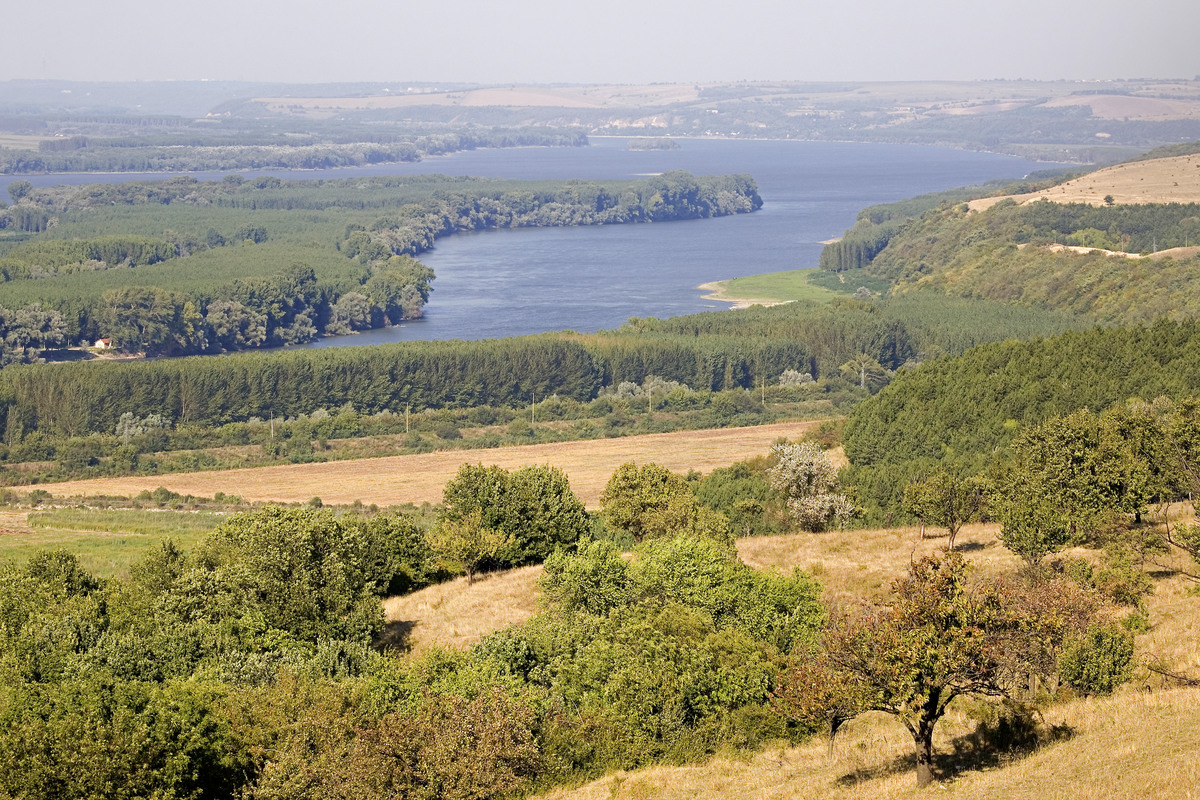
Turnu Măgurele – Nikopol Hydraulic Structures Assembly on the Danube river, Romania and Bulgaria
The project, if built, would not only devastate critical habitats, leading to the potential extinction of species such as the Danube sturgeons, but also displace local communities, disrupt existing investments, and violate several EU environmental directives.
Latest news
Environmental groups challenge backdoor dismantling of EU nature safeguards
Press release | 9 March, 2023CEE Bankwatch Network and ÖKOBÜRO have initiated legal action (1) to uphold EU environmental law and public consultation requirements when building renewable energy facilities. The groups argue that an emergency regulation adopted by the Council of the European Union in December 2022 breaches EU and international law.
Read moreSuccessful renewables acceleration needs more public participation, not less
Blog entry | 27 February, 2023In December 2022, the Council of the European Union adopted an emergency regulation aimed at speeding up renewable energy deployment. But Member States have to uphold environmental safeguards and consult the public if they don’t want to end up doing the opposite, warns our new position paper.
Read moreWestern Balkans: scientists and NGO representatives call for more rivers to be protected as part of the Emerald Network
Press release | 13 February, 2023Today, scientists and non-governmental organisations from 11 countries have published a list of 88 rivers they consider high priority for protection, urging Western Balkan countries that have signed the Convention on the Conservation of European Wildlife and Natural Habitats (Bern Convention) to expand the Emerald Network in the region.
Read moreRelated publications
Clear rules on nature and water benefit renewable energy development and biodiversity: Joint civil society position paper on the inclusion of the EU Habitats, Birds and Water Framework Directives in the Energy Community Treaty
position paper | 30 June, 2026 | Download PDFThis joint civil society position paper, supported by 78 civil society organisations, provides an insight into why it is crucial to include the relevant provisions of the EU Habitats, Birds and Water Framework Directives in the Energy Community Treaty.
Unlocking nature financing: National cost estimates for effective nature restoration
Report | 11 June, 2026 | Download PDFTo support national planning, CEE Bankwatch Network and EuroNatur, in cooperation with national partners, led a study in five Member States – Poland, Estonia, Latvia, Hungary and Croatia – to estimate financing needs for effective nature restoration.
Preserving water resilience, preventing the weakening of the Water Framework Directive
Joint letter | 19 February, 2026 | Download PDFIn this letter environmental NGOs are urging the Commission to refrain from reopening or amending the Water Framework Directive.

