Armenia is set to host the 17th Conference of the Parties (COP17) to the United Nations Convention on Biological Diversity (CBD) from 19 to 30 October. Hosting this high-profile environmental summit has drawn scrutiny to the government’s simultaneous backing of the controversial Amulsar gold mine project at home. At COP17, progress towards the targets of the Kunming-Montreal Global Biodiversity Framework will be reviewed for the first time. The summit’s slogan is ‘Taking action for nature’, yet the Amulsar case illustrates how countries and international investors are ‘taking action against nature’.
Andrey Ralev, Biodiversity campaigner | 20 October 2026
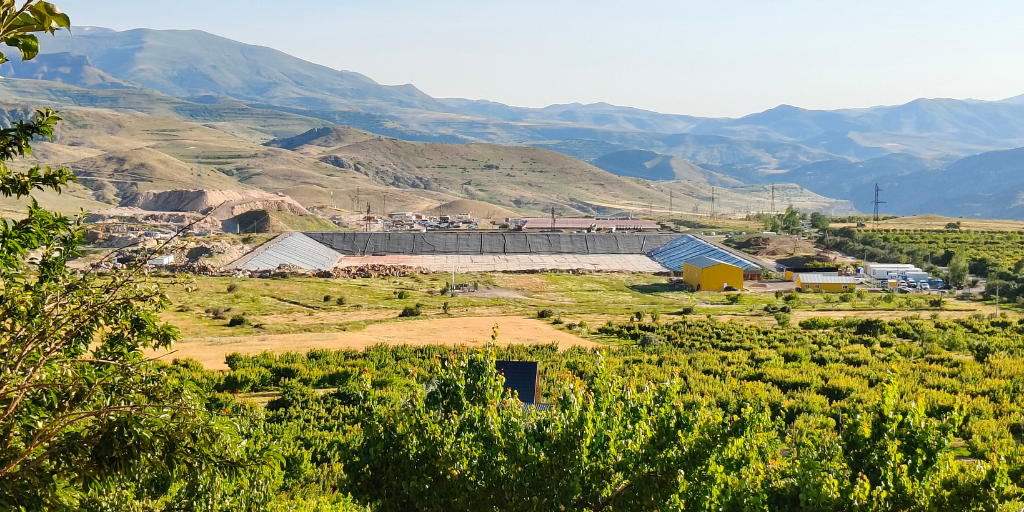
The project has long been contested on the grounds that it poses a threat to the environment and economic livelihoods, as the mining and use of cyanide to leach gold would impact the Arpa and Vorotan rivers, and Lake Sevan.
In March 2020, CEE Bankwatch Network and Armenian environmental organisations filed a complaint with the Convention on the Conservation of European Wildlife and Natural Habitats (Bern Convention) against the Armenian government, alleging violations of protected natural areas near Amulsar. The Convention’s Bureau recommended that the authorities conduct a new environmental impact assessment and ‘halt any developments that can negatively affect the habitats and species protected under the Convention’.
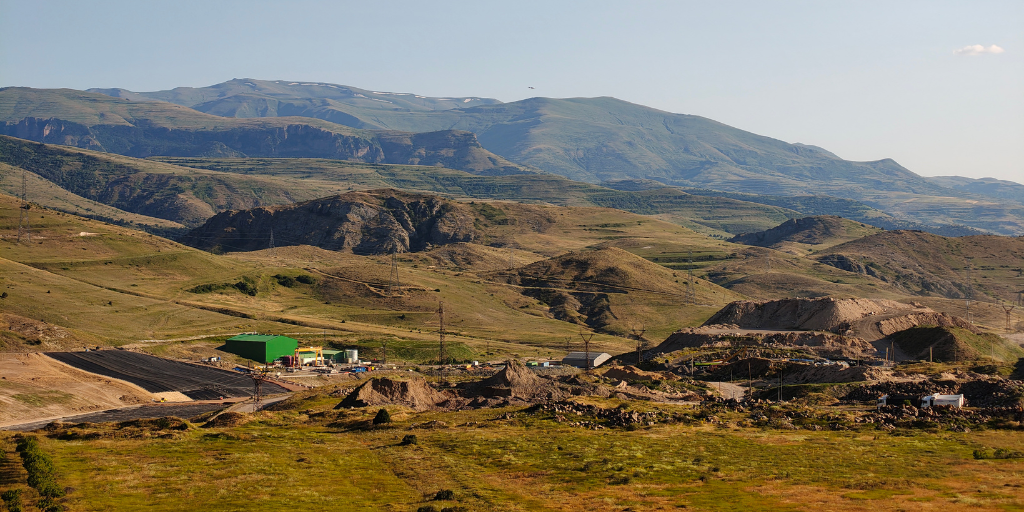
While national delegations gather in Yerevan in October to try to reverse global biodiversity loss, some 170 kilometres to the south-east, full-scale construction is underway at the Amulsar mine. By ignoring the recommendations of the Bern Convention, Armenia is showing a glaring lack of commitment to reducing biodiversity loss and halting species extinction (thereby moving backwards on the Framework’s Targets 1 and 4).
At the same time, in order to open space for the mine and other damaging projects, the COP17 host is reviewing its internationally recognised Emerald Network under a 2024 proposal that would shrink it by 31.5% and exclude the whole of Amulsar mountain – an ecological network that aims to conserve wild flora and fauna and their natural habitats in Europe. This takes Armenia further away from Target 3: to ensure that at least 30% of terrestrial and inland water areas, as well as marine and coastal areas, are effectively conserved and managed by 2030.
Construction of the mine has already caused water and dust pollution, but once operational, it will pose a serious risk of a cyanide spills and acid drainage pollution. This will further undermine Target 7: to reduce pollution to levels that are not harmful to biodiversity.
Rather than integrating biodiversity in decision-making at every level (Target 14), the authorities have changed national rules to allow the mine to go ahead. Meanwhile, the mine’s operator, Lydian Armenia, has stuck to the dangerous cyanide technology and has launched more than 20 strategic lawsuits against public participation (SLAPPs) targeting local activists, environmental defenders and journalists. SLAPPs are a form of often frivolous litigation that corporations use to intimidate and punish critics and silence their right to free speech. This runs counter to Targets 15 and 22, which require businesses to reduce biodiversity-related risks and negative impacts, and call for everyone’s participation in biodiversity decision-making and the full protection of environmental human rights defenders.
After local people began blocking the access roads in 2018, work on the mine stalled until 2024. That year, the Armenian government accepted a 12.5% stake in Lydian Armenia, donated by the company, and in 2025 it guaranteed up to USD 150 million in bank loans for the mine. This state support runs counter to Target 18, which calls for incentives harmful to biodiversity to be cut by at least USD 500 billion per year by 2030.
As the International Finance Corporation (IFC) and the European Bank for Reconstruction and Development (EBRD) invested in Lydian from the start and financed the mine’s exploration stage, international investors have a significant role to play. The mine’s environmental and social impact assessment was prepared under the close supervision of the two financial institutions, which gave their seal of approval to studies whose deficiencies were later exposed by an independent third-party audit commissioned by the government in 2019.
One of the innovative ideas backed by the EBRD was a biodiversity offsetting scheme: in 2016, Lydian Armenia pledged USD 5 million to create a new Jermuk National Park as compensation for the nature destroyed by the gold mine, and the EBRD earmarked its equity for such mitigation measures. Ten years on, the national park has still not been created, while Amulsar mountain is being dug up. Is this what the CBD parties had in mind when they agreed on a target to mobilise USD 200 billion per year for biodiversity from all sources, including USD 30 billion through international finance (Target 19)?
In 2017, the IFC withdrew from Amulsar following complaints by non-governmental organisations and local residents concerning environmental and health risks. In 2020, the EBRD also exited the project after Lydian International’s restructuring. But in 2025, Ameriabank, one of Armenia’s largest banks, provided a USD 150 million loan to the project, and the EBRD has become entangled with Amulsar and its controversies once again, this time indirectly, as it holds about 10% of Ameriabank’s shares.
The story of Amulsar is unfolding. Both the Armenian government and the financial institutions backing the project need to ensure proper mitigation of the huge risks to nature and put in place the extra safeguards recommended by the Bern Convention, the CBD’s sister convention in Europe. ‘Taking action’ now is more important than parading empty commitments at COP17.
Never miss an update
We expose the risks of international public finance and bring critical updates from the ground – straight to your inbox.
Institution: EBRD | IFC
Theme: Amulsar gold mine | Biodiversity
Project: Amulsar gold mine, Armenia
Tags: Amulsar | biodiversity