Dispute resolution agreement on Zarafshan wind project
Publication | 3 December, 2025A dispute resolution agreement was signed by CEE Bankwatch Network and Shamol Zarafshan Energy Foreign Enterprise LLC in October 2025. The agreement is the result of a year-and-a-half-long dispute resolution process supported by the Compliance Advisory
Read more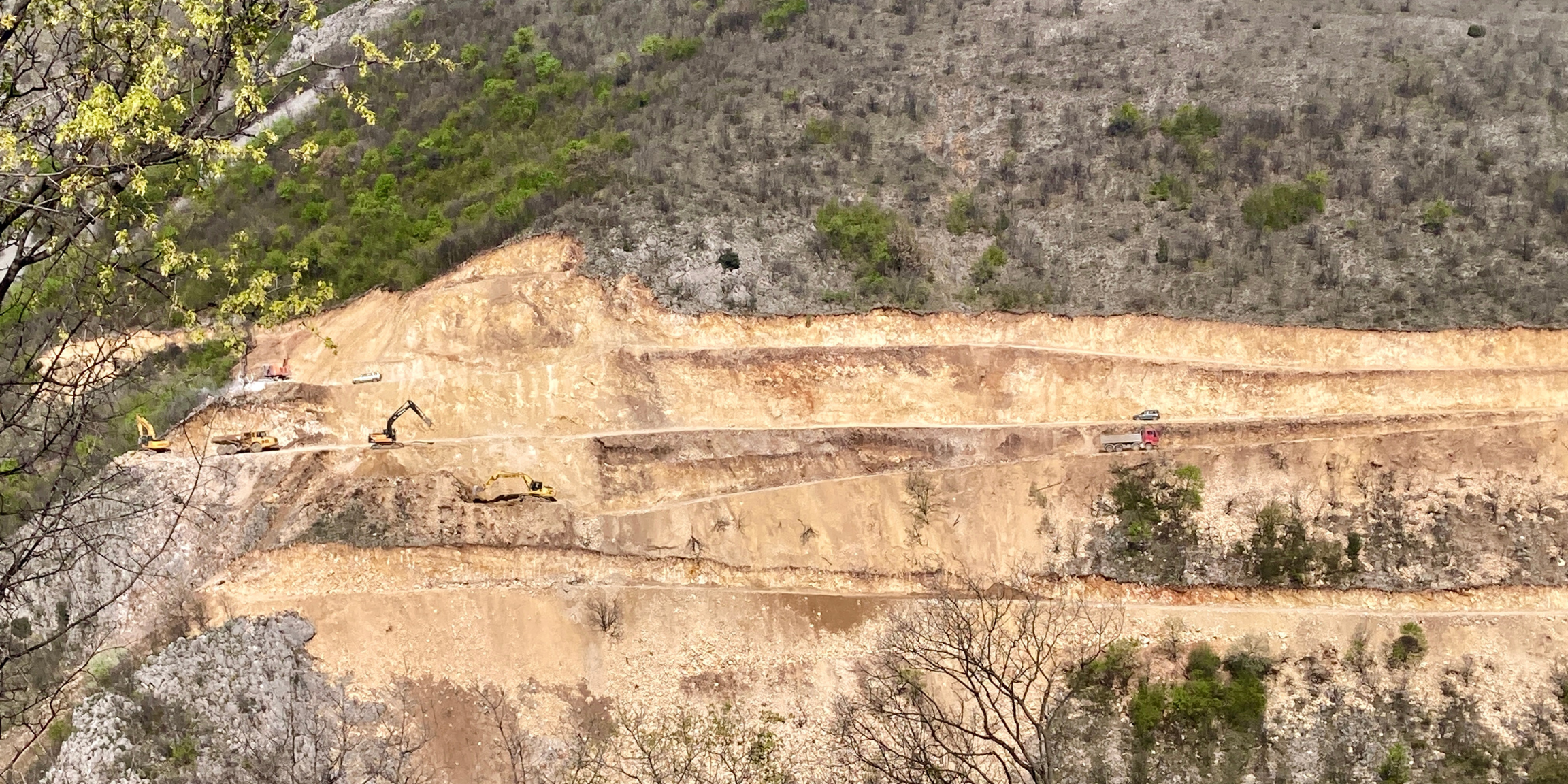
Corridor Vc in Bosnia and Herzegovina: Environmental and social impacts can no longer be ignored
Publication | 17 October, 2025The EU’s flagship infrastructure project in Bosnia and Herzegovina – the 330-kilometre Corridor Vc motorway – now stands at a critical crossroads. To date, only one-third of the corridor has been completed, financed through more than EUR 3 billion in loans and grants from the EU, the EIB, and the EBRD.
Read more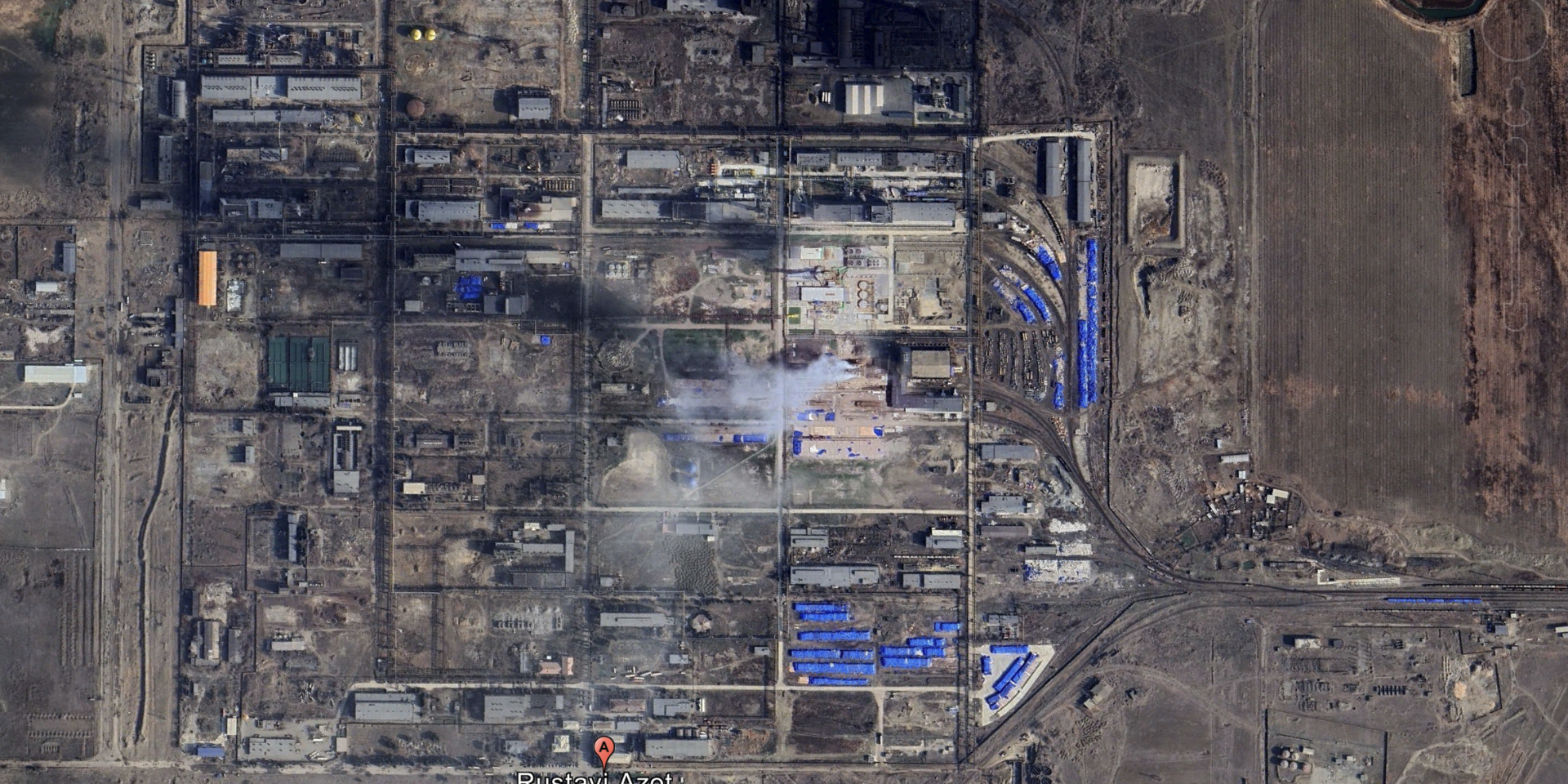
EBRD’s toxic bond with Indorama: Funding polluter in Georgia’s shrinking democracy
Blog entry | 30 September, 2025The European Bank for Reconstruction and Development (EBRD) continues to back one of its most controversial clients in one of Europe’s most troubled democracies. Human rights, labour laws, and the environment are all at stake.
Read more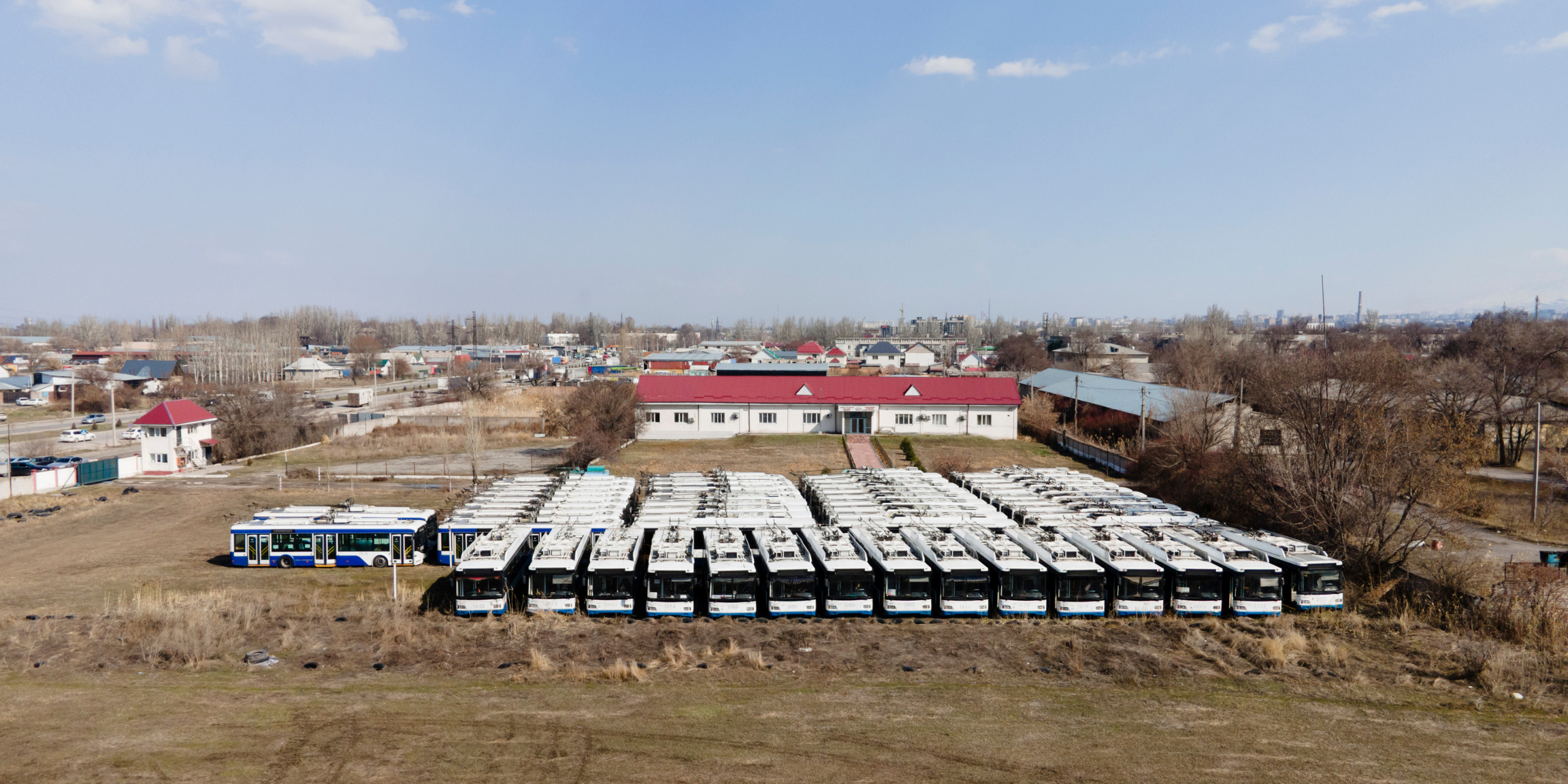
Bishkek residents seek mediation to restore trolleybus service
Press release | 19 August, 2025Residents of Bishkek have asked the European Bank for Reconstruction and Development (EBRD)’s Independent Project Accountability Mechanism (IPAM) to facilitate dialogue with urban authorities over concerns about the city’s trolleybus services.
Read more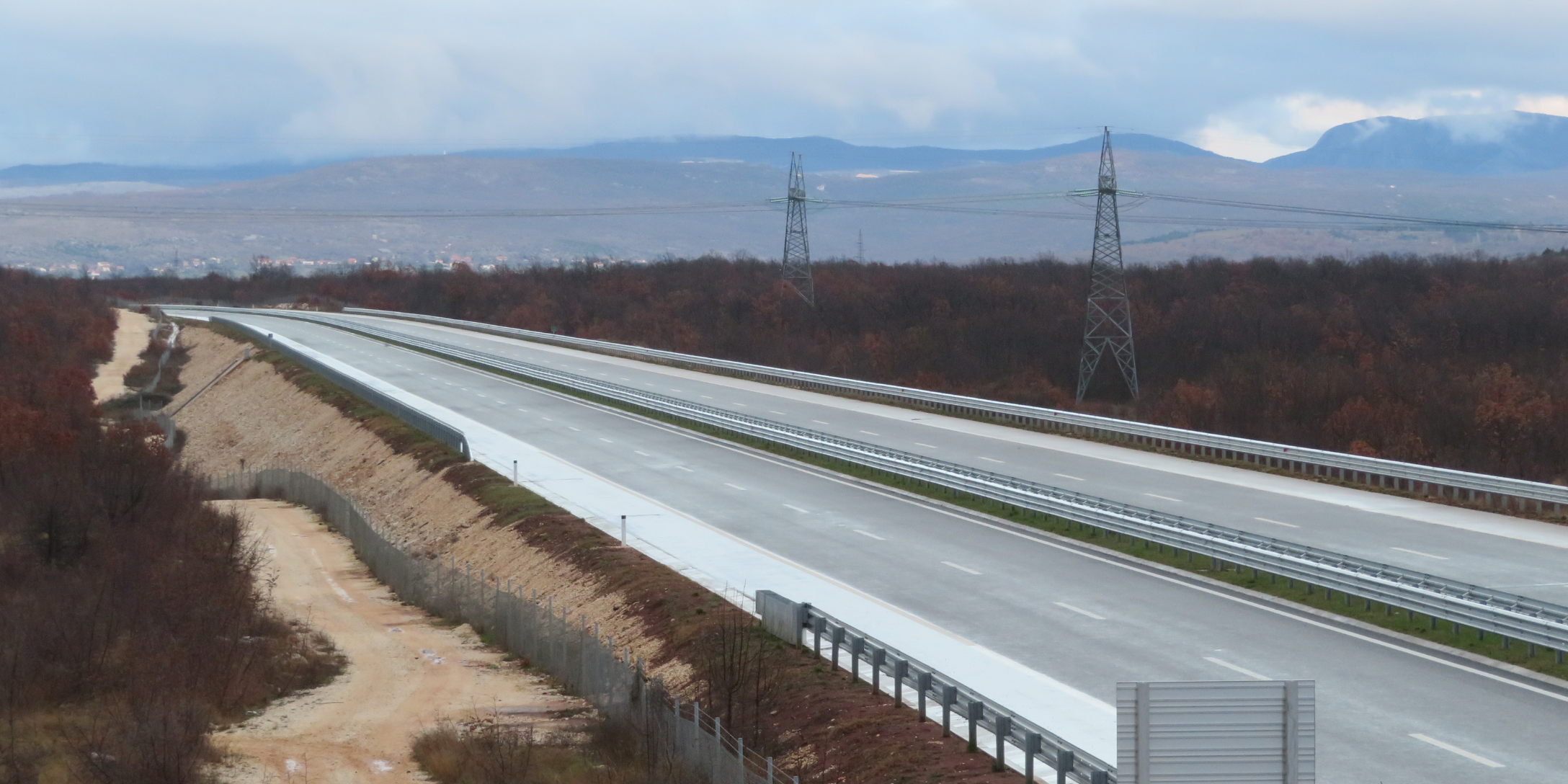
EIB–EBRD mutual reliance: A threat to environmental and social accountability
Blog entry | 14 July, 2025In April, the European Investment Bank (EIB) and the European Bank for Reconstruction and Development (EBRD) signed a Mutual Reliance and Cooperation Agreement, founding their future cooperation on jointly financed projects. Yet concerns have already emerged about potential risks to environmental and social safeguards as well as accountability under the new partnership.
Read more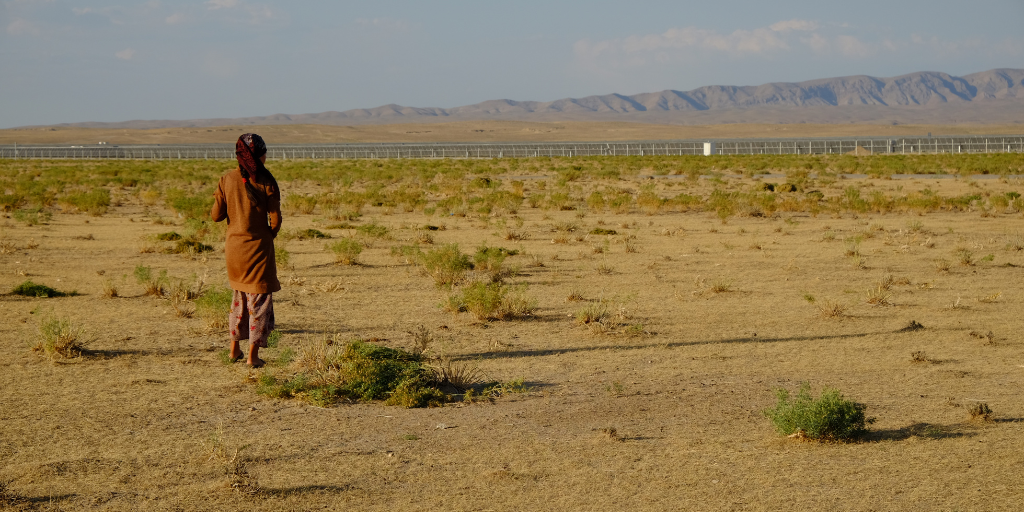
The EBRD’s first Impact Report: A welcome step, but does it tell the whole story?
Blog entry | 10 July, 2025In May 2025, the European Bank for Reconstruction and Development (EBRD) released its first-ever Impact Report. With EUR 16.6 billion invested in 584 projects in 2024, the report highlights ambitious claims: reductions in emissions, boosts to human capital, and support for inclusive economies. But as we dig deeper, a familiar issue re-emerges: the gap between institutional ambition and on-the-ground reality.
Read more
The EBRD starts its impact reporting journey: How can it deliver meaningful results?
Publication | 7 July, 2025In May 2025, the EBRD published its first-ever Impact Report, showcasing the impact of EUR 16.6 billion invested across 584 projects on real-world change. Although shifting the focus from activities to impacts is important, the report falls short in several key areas.
Read more
The role of stakeholder engagement in the EBRD’s impact monitoring and reporting
Publication | 30 May, 2025This report examines the EBRD’s policies and practices related to stakeholder engagement and its monitoring and reporting at the project, country, and institutional levels. It identifies gaps in transparency at the project level, consultations on country strategies, and institutional reporting.
Read more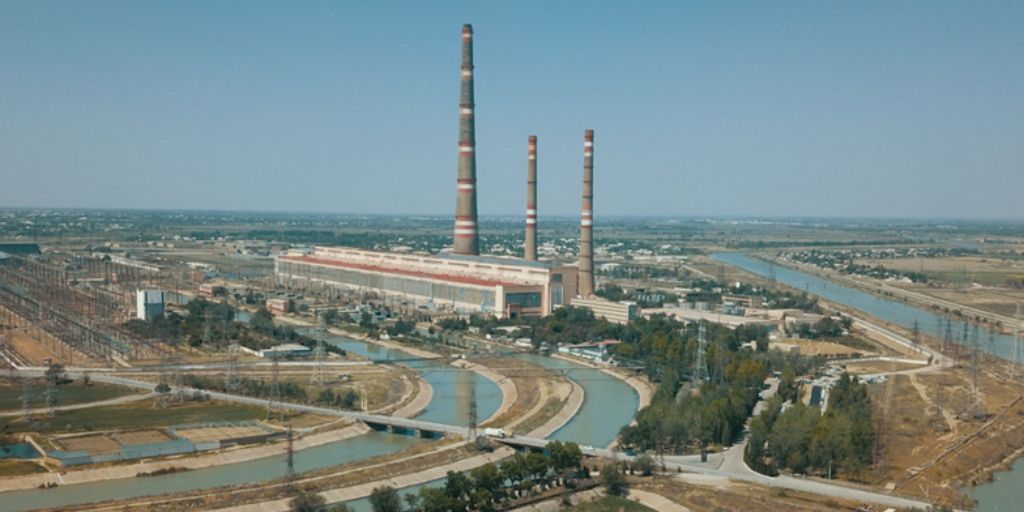
The EBRD’s climate contradiction: Syrdarya fossil-gas plant locks Uzbekistan into Russian energy dependence
Publication | 29 May, 2025The USD 200 million investment in the 1,500-megawatt combined-cycle gas turbine power plant in the Syrdarya region of Uzbekistan exposes significant contradictions between the EBRD’s stated commitments and its actual financing decisions.
Read more
Concerns raised over new coal mining project in light of North Macedonia’s decarbonisation goals
Blog entry | 27 May, 2025CEE Bankwatch Network and Eko-svest have recently raised serious concerns regarding a proposed coal mining project in North Macedonia. The plan to open a new lignite mine in the Pelagonija region comes as a surprise, as the region is already affected by three other operating mines and the project contradicts the country’s coal phase-out commitments.
Read more
