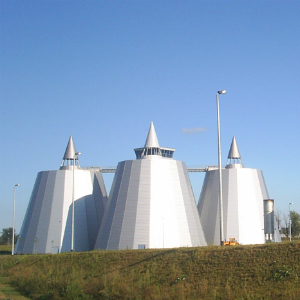
Six arrested in suspected corruption around EBRD-financed Zagreb wastewater PPP
Blog entry | 29 March, 2016The Zagreb wastewater plant public-private partnership (PPP), financed by the European Bank for Reconstruction and Development (EBRD), has for years been highlighted by Bankwatch and its member group Zelena akcija/Friends of the Earth Croatia as a harmful project allowing the private sector enormous profits at the expense of the City of Zagreb and the public.
Read more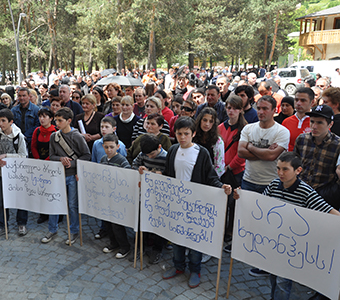
Tensions are rising over hydropower and the lack of participation in Georgia’s mountains
Blog entry | 15 March, 2016The mistrust and frustration of communities in the mountains of north-western Georgia is deepening over make-shift consultations on large dam constructions.
Read more
United Nations report highlights risks and failures of public-private partnerships
Blog entry | 14 March, 2016A United Nations study finds that public-private partnerships involve substantial risks for the public sector and have often failed to yield ‘value for money’.
Read more
Europe’s false solutions for Ukraine’s energy woes
Blog entry | 9 March, 2016Current EU support is not just a distraction from the energy path Ukraine needs to take, it also puts countless communities in Ukraine and abroad at risk.
Read more
Guest post: Walking the line
Blog entry | 8 March, 2016Plans for the Southern Gas Corridor / Euro-Caspian Mega Pipeline will solidify the west’s dependence on fossil fuels and authoritarian regimes. A new web documentary shows why we should stop and think.
Read more
Do not fund Southern Gas Corridor with EU money
Blog entry | 1 March, 2016The flashbulbs at Azerbaijan’s official photo opportunities should not blind Europe’s leaders to the country’s accelerated descent into authoritarianism, writes Xavier Sol.
Read more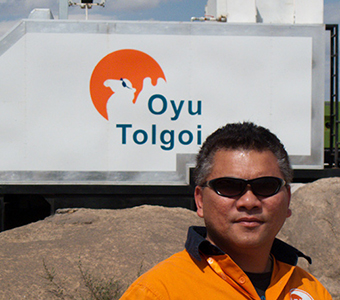
Water disputes persist as Rio Tinto pushes ahead with second Oyu Tolgoi mine
Press release | 11 February, 2016Prague; Khanbogd Soum, Mongolia – A large new copper mine in Mongolia could cause irreversible damage to terrain and deprive water from some of the world’s last remaining nomadic herding groups, finds a new report released today by Oyu Tolgoi Watch, the Bank Information Center, CEE Bankwatch Network and Accountability Counsel.
Read moreOyu Tolgoi Phase 2: Plans, Issues and Risks
Publication | 11 February, 2016This report summarises the mining activity proposed by Oyu Tolgoi in its Phase 2 development plan, describes the block caving underground mining technology planned for the large deep ore body to be mined in Phase 2, environmental impacts and reclamation potential of block cave mines, and issues and risks associated with future OT power supply, international metal market price uncertainties, and OT Phase 1 and 2 impacts on water resources and herders and their livelihood in the region surrounding the OT mine license area.
Read moreNenskra hydropower plant, Georgia
Publication | 2 February, 2016For the last decade, the government of Georgia has promoted hydropower as a way of tackling energy security and turning the country into a regional energy player. The EBRD has been one of the key catalysts of this hydro boom. Yet the presence of the EBRD and other international financial institutions has not been enough to ensure the development of comprehensive energy strategies, robust project assessments and meaningful public consultations. The potential for social and environmental problems is therefore prevalent. The Nenskra hydropower plant is yet another project that lacks the proper assessment and has failed to gain acceptance from the local communities.
Read more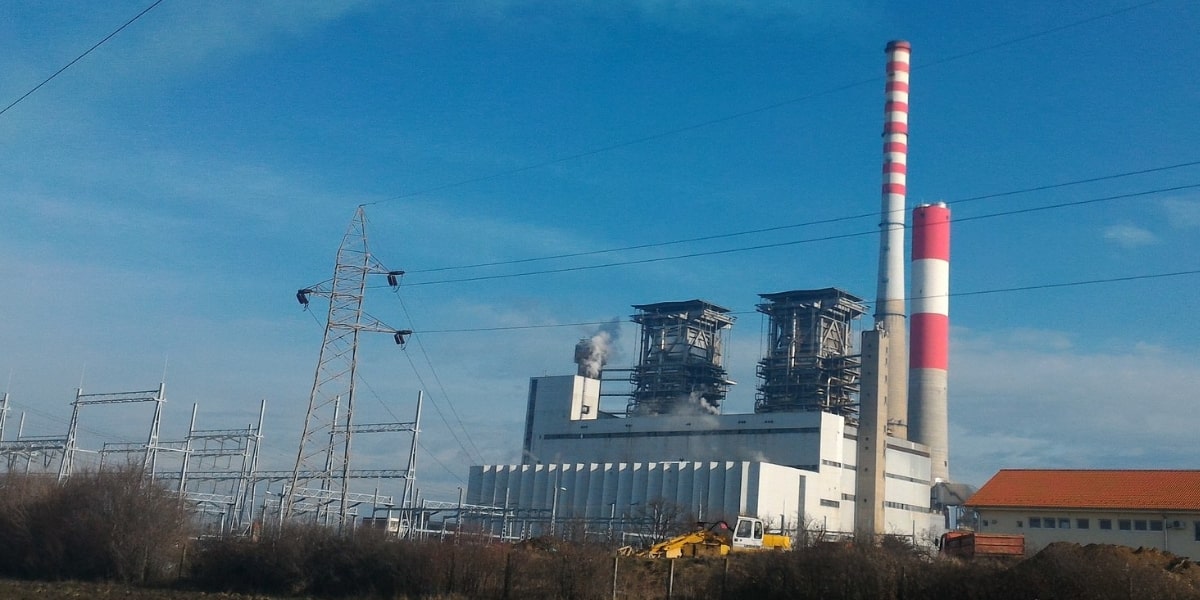
Issues with Serbian electricity company EPS need to be addressed within new EBRD loan
Publication | 1 February, 2016As part of its new EUR 200 million loan to the Serbian electricity company EPS, the European Bank for Reconstruction and Development aims to assist with “identifying opportunities to improve environmental, safety, social, and labour governance and capacity, and on helping EPS to develop a more strategic approach to managing these issues”. As outlined in this briefing, so far the EBRD’s fifteen-year partnership with EPS has not brought visible improvements in company practices and it is high time for the bank to prove that its engagement can add value.
Read more
