Review of the EBRD’s Project Complaint Mechanism – comments on the existing policy
Publication | 19 May, 2013These comments on the existing Project Complaint Mechanism of the EBRD expands in a few places the pointers on the accountability mechanism that were prepared earlier.
Read more
Divesting from coal is not ideology but climate science – a reminder for the EBRD
Blog entry | 14 May, 2013The energy director of the European Bank for Reconstruction and Development has made astonishing statements about coal investments prompting Bankwatch’s EBRD campaign team to react.
Read moreOpen letter to Serbian Minister for Finance and Economy concerning Kolubara resettlement
Publication | 14 May, 2013The open letter – signed by Srpski Centar Ekologije, Uneco Kolubara, and Bankwatch member group CEKOR – raises issues with resettlement and expropriations connected to the Kolubara lignite mine that are not adequately addressed.
Read more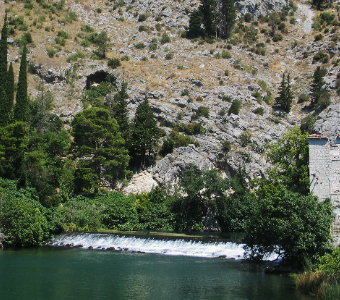
[Campaign update] EBRD still not withdrawing from damaging Ombla hydropower project, NGOs call on bank to heed new evidence
Blog entry | 13 May, 2013Despite having a slew of good reasons not to support the damaging Ombla hydropower plan in Croatia, the European Bank for Reconstruction and Development still didn’t confirm during recent meetings that it would withdraw from the project.
Read more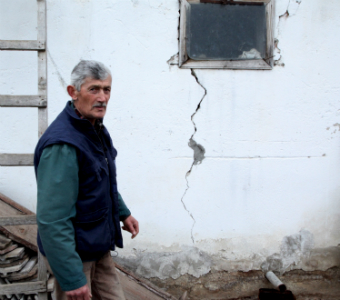
Fair treatment is a long time coming at Serbia’s Kolubara lignite mine
Blog entry | 13 May, 2013People from the Kolubara mine basin in Serbia have many stories to tell about the hardships they face due to the lignite mining operations. Serbian Bankwatcher Nikola Perusic adds his account to two stories in the guardian and in Bankwatch Mail 56.
Read moreOpen letter: Civil society asks EBRD to withdraw from Ombla hydropower plant project
Publication | 13 May, 2013A new nature impact assessment of the proposed Ombla hydropower plant showed that the project could harm many of the 68 identified cave species, including the endemic ones. Based on these findings, civil society groups are calling on the EBRD to pull out from the project for which it has approved a EUR 123 million loan.
Read moreNo end in sight for EBRD coal finance
Press release | 10 May, 2013Istanbul – With the 2013 EBRD annual meetings underway and in spite of repeated commitments to sustainability, the bank is set to continue financing coal projects that will dangerously aggravate climate change.
Read more
Mounting violations at Cairo refinery project seeking EBRD finance
Publication | 10 May, 2013A USD 3.7 billion refinery expansion project inside urban Cairo attracting international public development finance, including potentially from the EBRD, is also attracting major controversy as a result of forced evictions, pollution and concerns about the involvement of financial entities linked to the deposed Mubarak regime.
Read more
Ukraine’s nuclear expansion plans under fire from UN body, EBRD ‘safety loan’ called into question again
Publication | 10 May, 2013In a landmark ruling laid out in a March 25 letter to the Ukrainian Ministry of Environmental Protection, the Implementation Commission of the United Nations Espoo Convention has deemed that Ukraine’s plans to expand the lifetime of its old nuclear reactors is in breach of the convention – the same convention that Ukraine ratified in 1999. Ukrainian campaigners believe that this should lead the EBRD to halt the disbursement of a EUR 300 million ‘nuclear safety’ loan agreed with Ukraine’s state nuclear operator just days prior to the issuing of the Espoo verdict.
Read more
Health impacts of coal quantified – public lenders urged to act
Publication | 10 May, 2013The findings of a recent report entitled ‘The unpaid health bill: How coal power plants make us sick’, released by the Health and Environment Alliance (HEAL), detail the health impacts of existing coal in Europe and quantify the associated costs of mortality and chronic respiratory and cardiovascular disease due to coal pollution.
Read more
