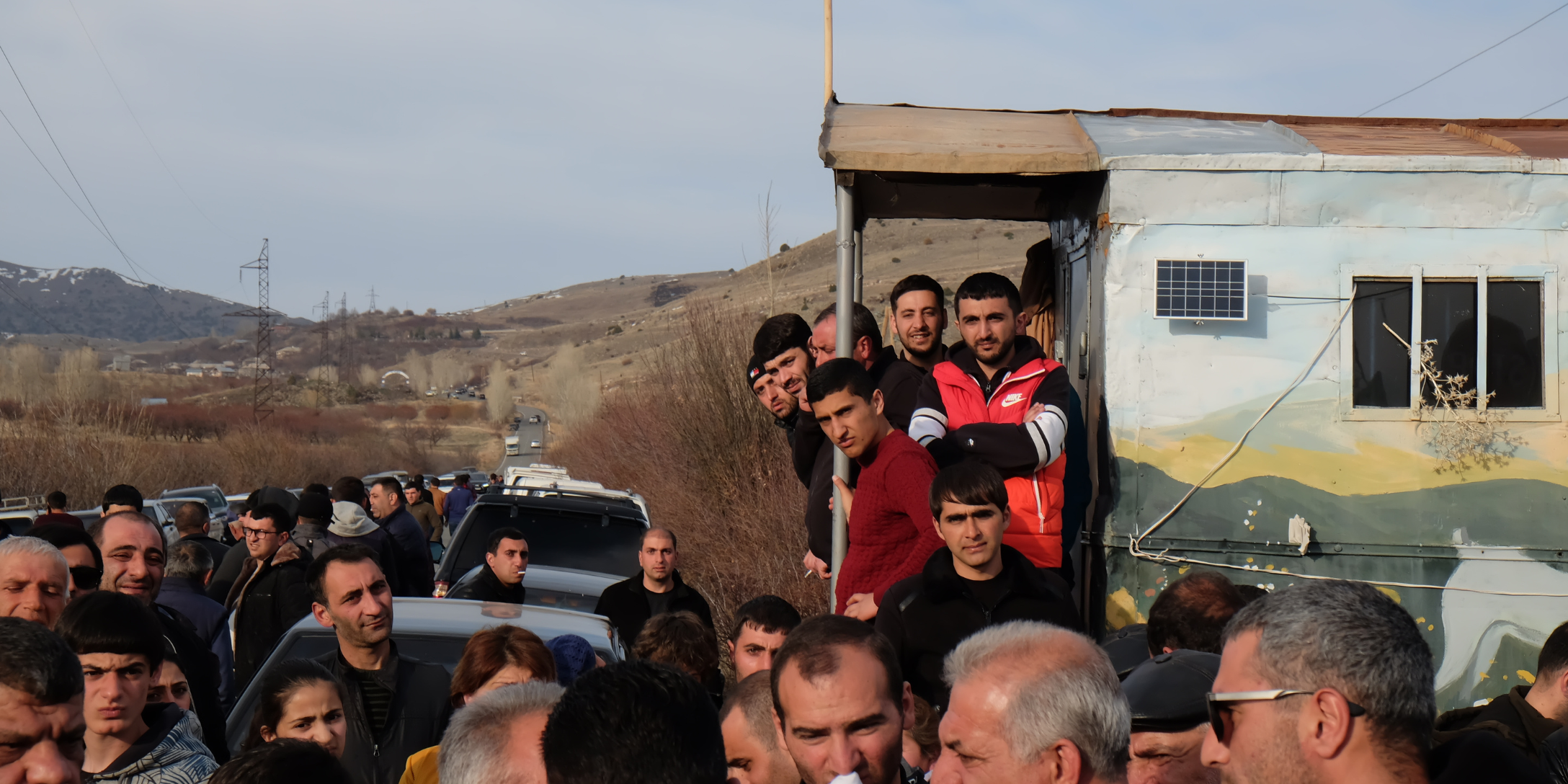
Key trends and shortcomings in community engagement on high-risk EBRD projects
Publication | 24 May, 2024The EBRD sets out requirements for stakeholder engagement as part of project risk and impact assessments. This study reviews the stakeholder engagement practices of EBRD clients in all 34 high-risk projects disclosed between 2020 and 2024.
Read more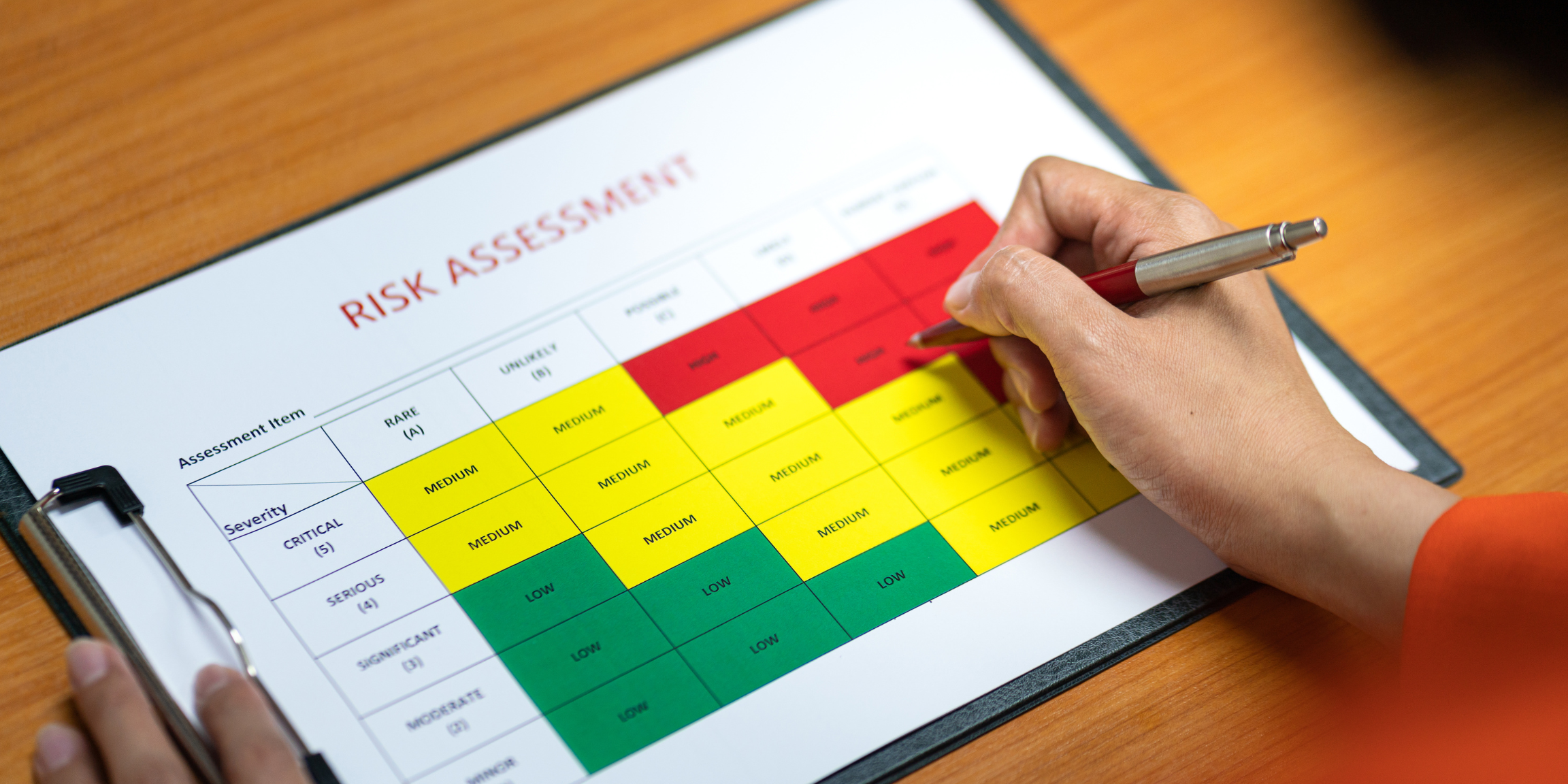
CEE Bankwatch comments on the draft EBRD Access to Information Policy and Directive on Access to Information
Publication | 24 May, 2024CEE Bankwatch Network calls on the EBRD to commit to better disclosure of project-related environmental and social information. This will help enhance the Bank’s due diligence and ensure early identification of risks, effective impact mitigation, and compliance with the EBRD’s commitments.
Read more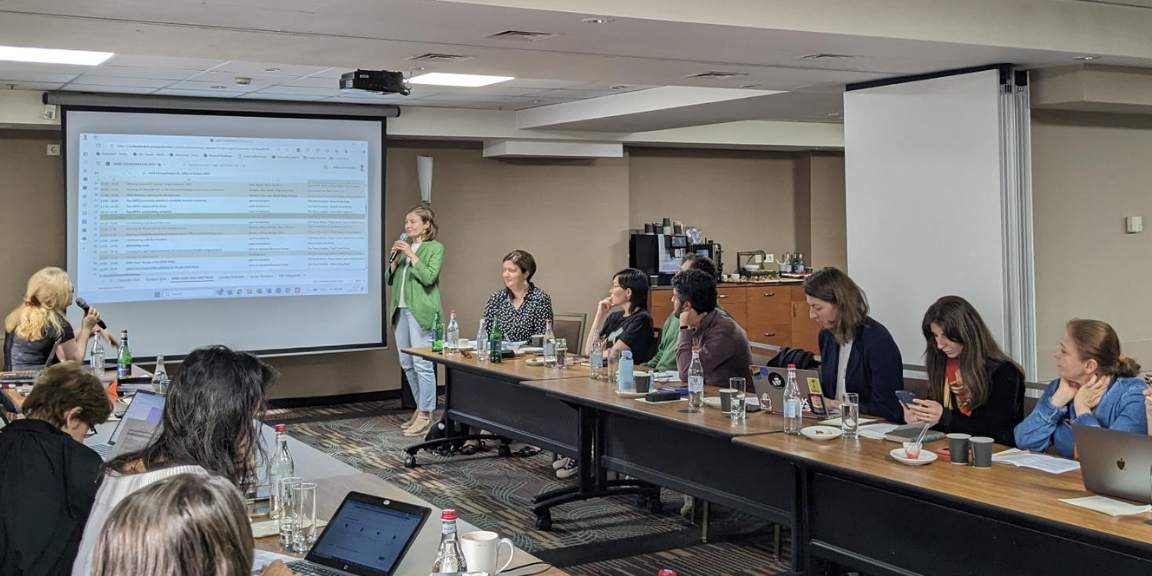
Civil society joint statement on the EBRD’s draft safeguards
Publication | 24 May, 2024Despite some improvements, the latest drafts of the EBRD’s updated good governance policies fall short of ensuring that human rights are respected and protected, especially in countries with significant democratic deficits. In a joint statement, 60 civil society organisations urge the EBRD to enhance its human rights due diligence.
Read more
Civil society urges the EBRD to adopt responsible policies and reaffirm its commitment to promoting democracy
Press release | 14 May, 2024As the European Bank for Reconstruction and Development (EBRD) gathers for its 33rd Annual Meeting in Yerevan (1), civil society organisations have united to challenge the EBRD’s flawed policies. They highlight numerous cases where EBRD investments have had negative impacts on communities and the environment (2). CEE Bankwatch Network, a leading organisation in this effort, is also calling on the EBRD to take decisive action against the increasing repression of civil society in the countries where it operates.
Read more
Statement by Bankwatch’s Executive Director on the shrinking space for civil society in Georgia, Kyrgyzstan and other EBRD’s countries of operation
Blog entry | 13 May, 2024With the recent adoption of the “foreign representatives” law in Kyrgyzstan and a similar “foreign influence” bill awaiting final approval in the Georgian parliament, civic space continues to shrink in the EBRD’s countries of operations.
Read more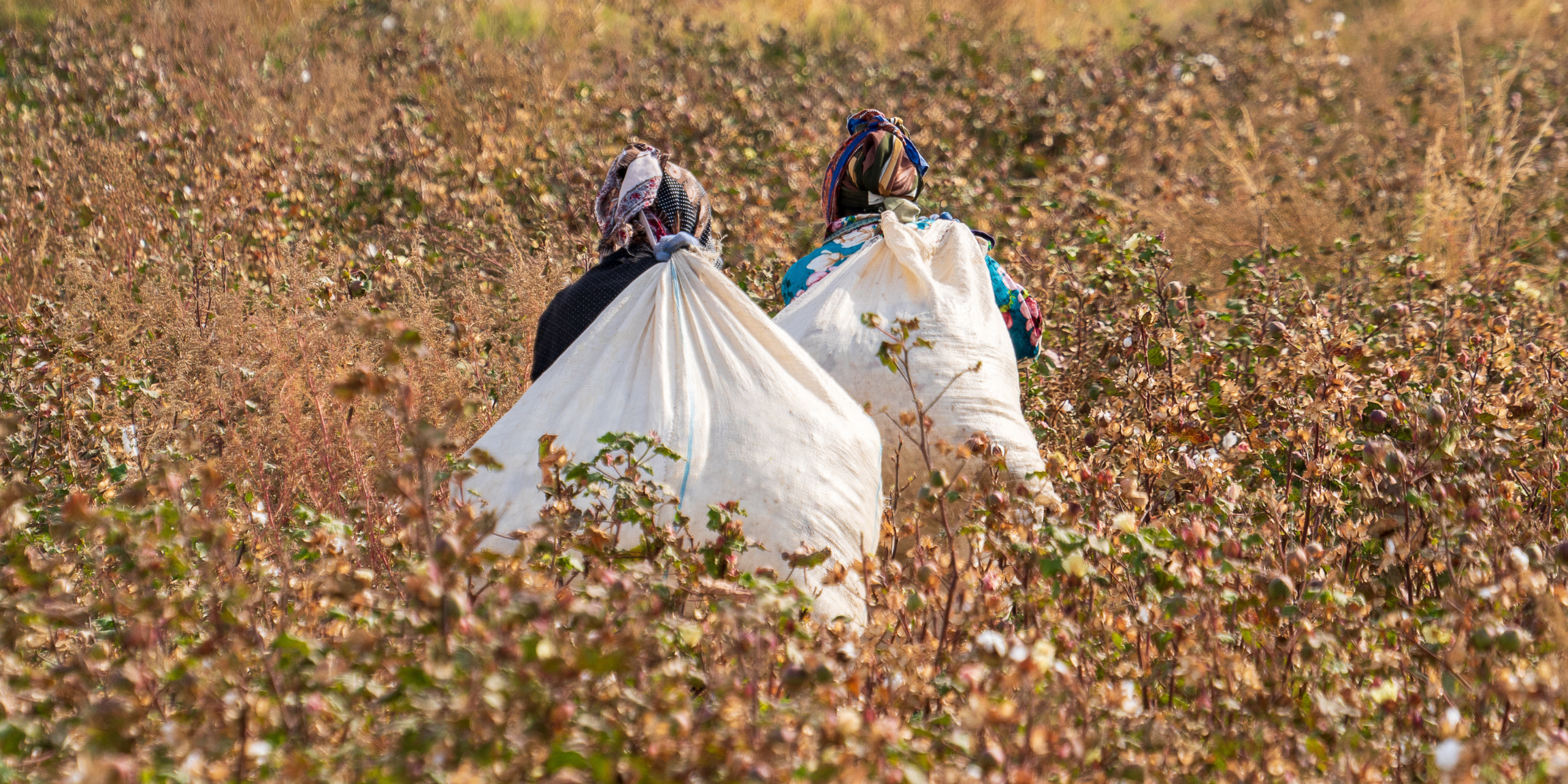
More than money: New report reveals shortcomings in human rights policies of leading public development banks
Press release | 6 May, 2024As the EBRD gears up for its Annual Meeting on 14 May, the FIDH and Bankwatch release a report comparing the lending policies of four major public development banks whose loopholes are contributing to human rights violations.
Read more
More than money: Development banks must strengthen human rights safeguards
Publication | 6 May, 2024Despite environmental and social safeguards in place, projects financed by public development banks all too often violate human rights.
Read more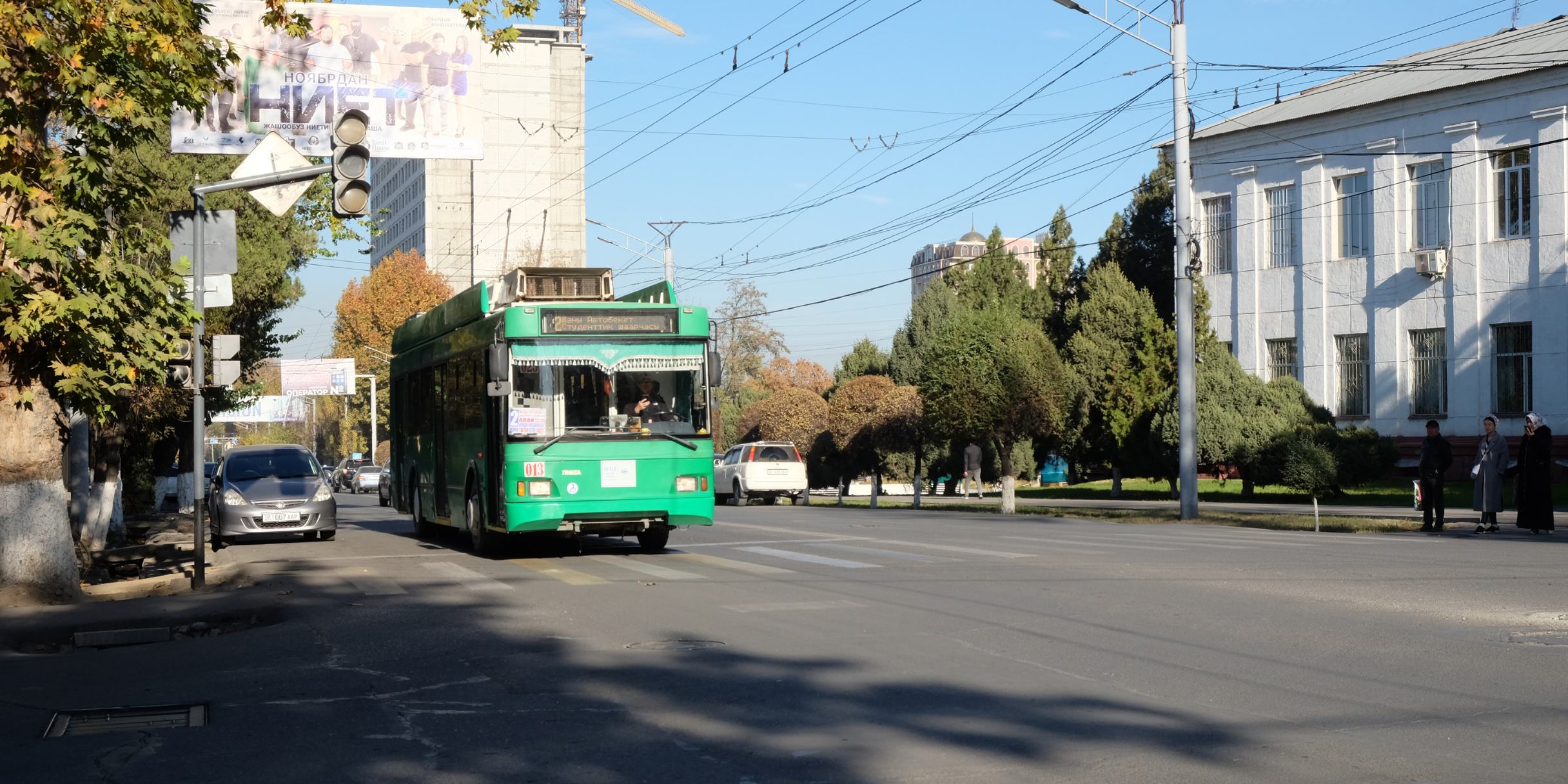
Bishkek’s electric trolleybuses under threat from ADB-funded transport overhaul
Publication | 2 May, 2024In an effort to address Bishkek’s pollution issue, the city plans to purchase 120 electric buses as well as a fleet of compressed natural gas buses. However, these may replace the city’s most environmentally friendly mode of transportation – the trolleybus.
Read more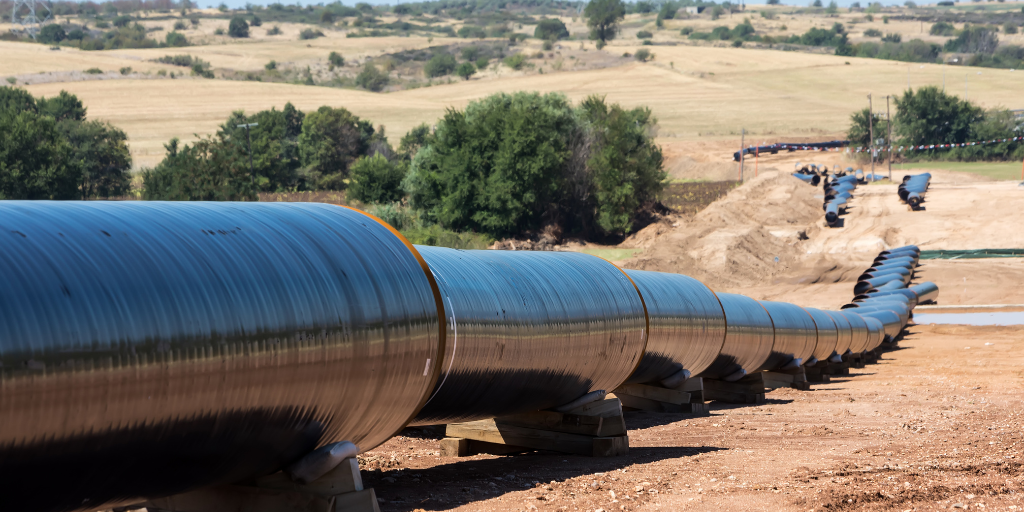
EBRD approves EUR 98.6 loan for disputed fossil gas mega pipeline in North Macedonia
Press release | 25 April, 2024The European Bank for Reconstruction and Development (EBRD) yesterday approved a EUR 98.6 million loan for a fossil gas pipeline that would allow North Macedonia to increase its gas consumption by three to six times compared to 2021, its highest-consuming year so far. (1)
Read more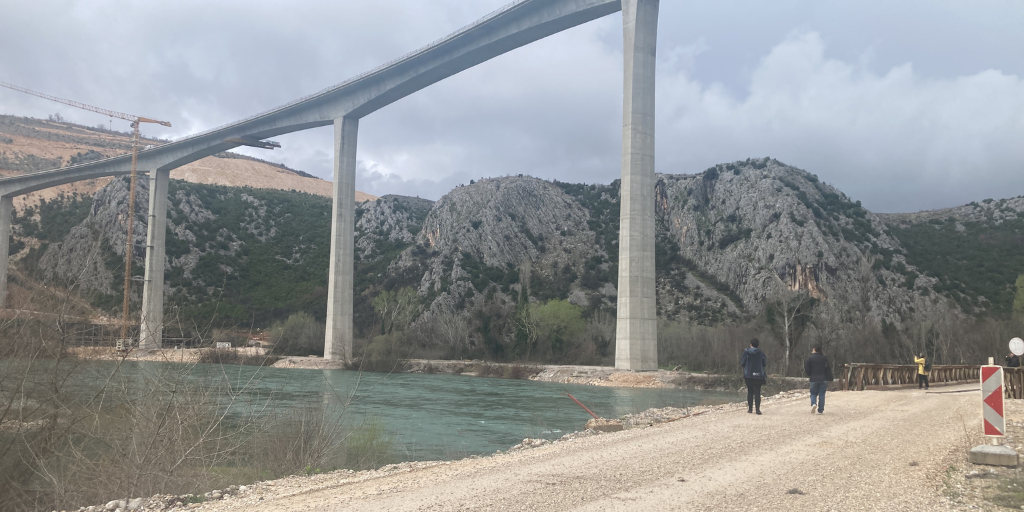
New report: EU must act to prevent needless environmental and social damage by Corridor Vc motorway in Bosnia and Herzegovina
Press release | 5 April, 2024The European Commission and EU public banks must press for a revision of the Corridor Vc motorway route near Mostar in Bosnia and Herzegovina (BiH) if excessive environmental and social harm is to be avoided, finds a CEE Bankwatch Network report published today. (1)
Read more
