An EBRD interpretation of biodiversity protection in the western Balkans
Blog entry | 14 November, 2011With potentially devastating impacts on natural habitats, the European Bank for Reconstruction and Development has so far offered no real commitment to environmental protection in its ambiguous decisions on two hydropower plants in Croatia and Macedonia.
Read more
Ombla hydropower plant: public money down the sinkhole
Blog entry | 14 November, 2011Today Bankwatch member group Zelena akcija/Friends of the Earth – Croatia held an action today outside the offices of the EBRD in Zagreb, calling on the bank not to approve a planned loan of up to EUR 123 million for the Ombla hydropower plant project. You can see some images from the demo here.
Read more
The recap on recapitalisation
Blog entry | 11 November, 2011As the eurozone crisis continues to unfold, lending from international financial institutions to the banking sector must be held to the task of supporting the most vulnerable – especially the SMEs in CEE – or it will continue to perform largely unsuccessful and unchecked as it has during the crisis to date.
Read moreComplaint to EBRD: Boskov Most hydropower project, Macedonia
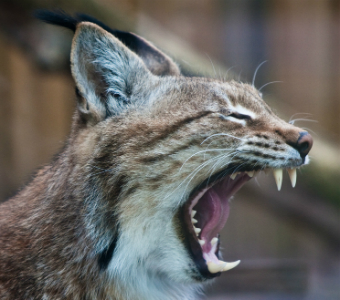
Publication | 7 November, 2011The Boskov Most hydropower plant would be built within the Mavrovo National Park in Croatia right where the very rare Balkan lynx lives. This official complaint to the European Bank for Reconstruction and Development argues against a loan for the project (to be decided on November 8, 2011) because of the expected negative impacts on biodiversity and the inadequate environmental assessment so far. More information on the Bankwatch blog.
Read moreNGO coalition urges EBRD not to finance destruction of national park in Macedonia
Press release | 7 November, 2011Skopje – A coalition of more than 30 Macedonian and international NGOs are calling on the European Bank for Reconstruction and Development (EBRD) not to finance Boskov Most hydro power plant in north-western Macedonia. The project would seriously damage Mavrovo national park, the largest in the country and a potential Natura 2000 site, while at the same time being envisaged to produce a relatively small amount of electricity to be used only for the stabilization of the national energy system.
Read moreQuestionable transition impact of the Ombla and Boskov Most hydropower plants
Publication | 4 November, 2011The EBRD has a specific mandate to promote transition to a market economy and to ensure environmental sustainability in all its operations. Additionally to the unacceptable environmental impacts of the hydropower plant projects Ombla (Croatia) and Boskov Most (Macedonia), both projects do not comply with the EBRD’s mission. We believe the bank should not support them.
Read moreComplaint to European Commission: Public procurement procedure for the Sostanj lignite power plant
Publication | 2 November, 2011Read more
Comments and proposals on the EBRD’s project level transition indicators
Publication | 1 November, 2011As pointed out in our publication Are We Nearly There Yet? Dilemmas of Transition After 20 Years of the EBRD’s Operations (pdf), environmental and social sustainability has not been as strong a focus for the European Bank for Reconstruction and Development as it should be. How the EBRD measures it’s success can be seen as one part of the explanation. It’s transition indicators – also at project level – are therefore an important aspect when assessing the bank’s performance.
Read more
Hydropower vs. nature in southeast Europe: EBRD complicity in environmental crime?
Blog entry | 31 October, 2011Why is it that when we advocate for something to the international financial institutions (IFIs) they often manage to give it a peculiar twist of their own?
Read moreLetter to EBRD: Concerns regarding the Boskov Most Hydro Power Plant, Macedonia
Publication | 28 October, 2011A coalition of more than 30 Macedonian and international NGOs are calling on the European Bank for Reconstruction and Development (EBRD) not to finance the Boskov Most hydro power plant in north-western Macedonia. The project would seriously damage Mavrovo national park, the largest in the country and a potential Natura 2000 site.
Read more
