Europe has ambitions to become the first climate–neutral continent. But transforming energy systems, especially in central and eastern Europe, requires substantial investment due to outdated infrastructure and reliance on fossil fuels.
While the EU budget currently funds this transition, the key challenge is to ensure impactful, high-quality investments that are both environmentally and socially just.
Involving citizens in investment decisions leads to better outcomes, including greater acceptance, a stronger sense of ownership, and fewer harmful projects.
Bankwatch works to align EU financial flows with the European Green Deal objectives, ensuring they meet the needs of people and the planet.
IN FOCUS
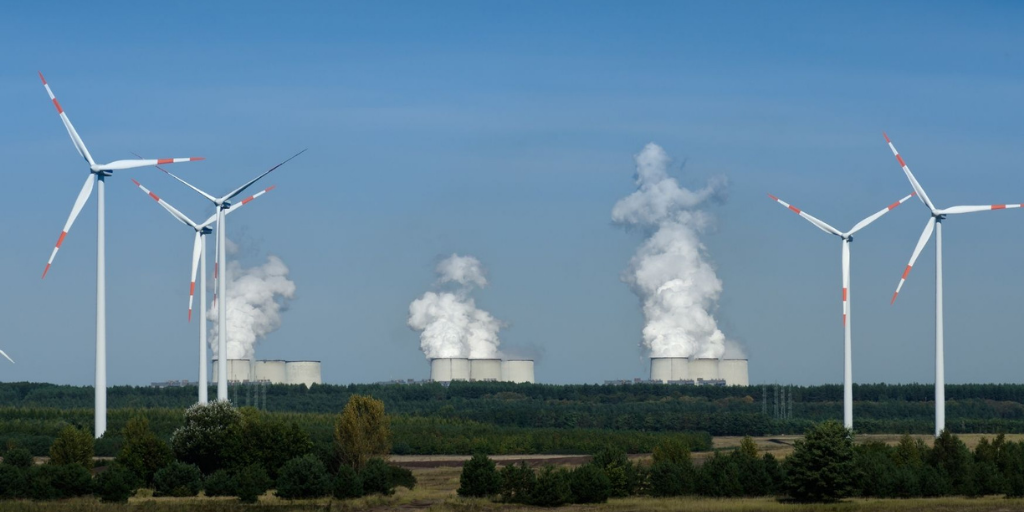
Just transition
Countries across central and eastern Europe are committing to quit coal and shale oil. Now the task is to ensure that the just transition is driven from the bottom up and leaves no one behind as we move towards a sustainable energy future.
Building back biodiversity
Threats facing biodiversity are increasing alongside the drivers of the climate crisis. But investments in climate protection should not come at the expense of those that can help biodiversity. The two crises of climate and biodiversity are interconnected and both must be tackled together, because only by investing in nature can we tackle climate change.

RegENERate: Mobilising Regions for Energetic Re-development and Transformative NECPs
The overall objective of the project is to support the CEE countries’ contribution to the EU efforts towards a net-zero emissions future. The project will contribute to more ambitious and effective climate and energy policies in CEE, backed by a long-term commitment to phase out fossil fuels, improve energy efficiency and promote renewable energy.
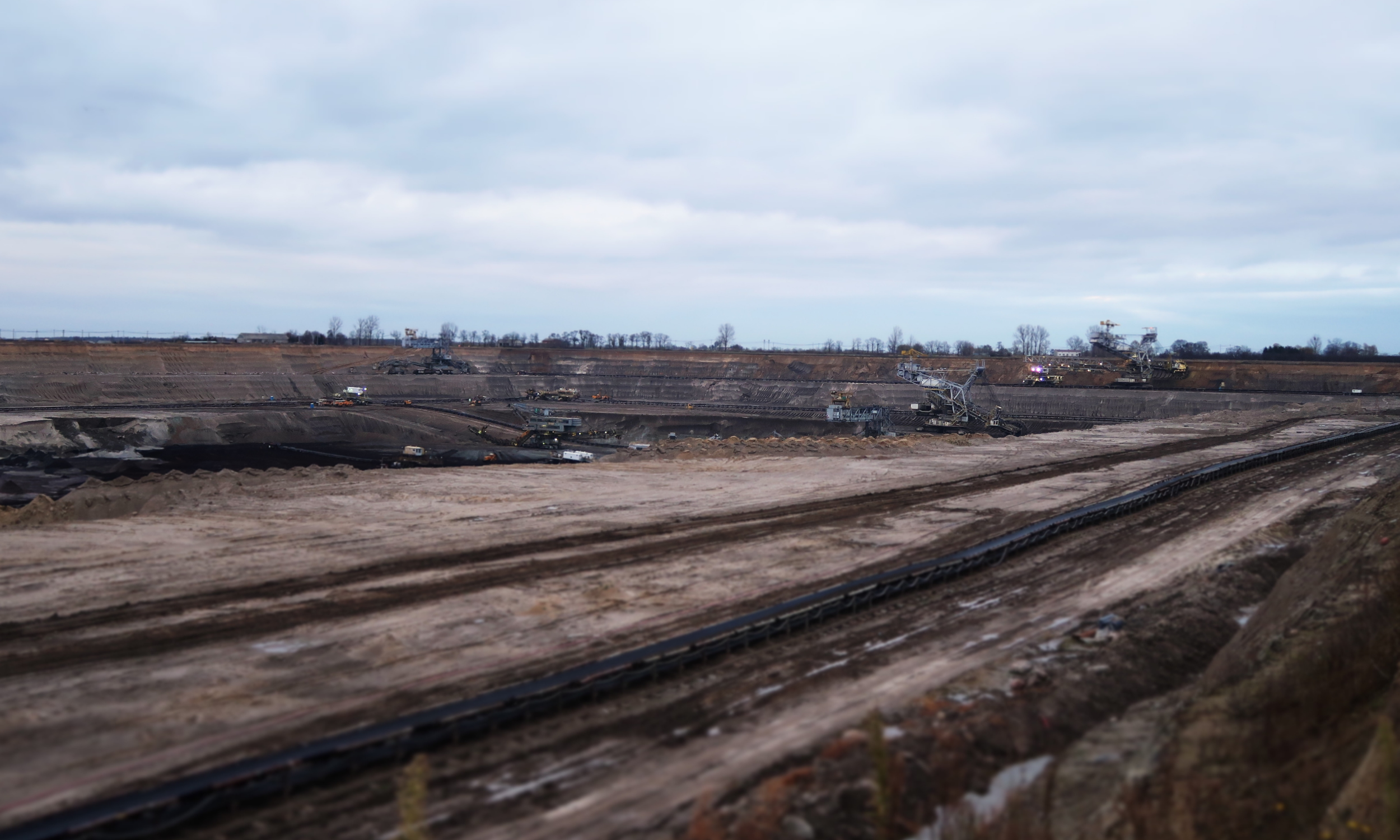
RePower the Regions: Ambitious and inclusive clean energy plans for repowering the just transition regions
The participation and leadership of carbon-intensive regions in transitioning to clean energy solutions are prerequisites for achieving EU climate neutrality by 2050. Building on this premise, RePower the Regions aims to ensure that the regions’ clean energy plans are aligned with EU 2030 climate goals and have strong support locally, and to provide practical guidelines and roadmaps on how to repower the regions.
Latest news
Umweltverbände warnen vor Naturzerstörung mit EU-Hilfen
Bankwatch in the media | 21 April, 2022Brüssel – EU-Hilfen zur Linderung der sozialen und wirtschaftlichen Folgen der Coronapandemie fließen wohl teilweise in umweltschädliche …
Read moreHow to win energy sovereignty and avoid a gas trap in Poland
Blog entry | 11 April, 2022Poland’s energy policy has to change urgently in the face of the war in Ukraine. EU funds must finance Poland’s transformation for energy security and sustainability. There is no return to the business as usual when it comes to energy policy.
Read moreBulgaria’s energy transition without Russian fossil gas and new nuclear capacity
Blog entry | 4 April, 2022It’s never been clearer that Bulgaria’s dependence on Russian energy needs to be cut right now.
Read moreRelated publications
The Commission’s ‘do no significant harm’ concept paper: Clearer approach welcome but major loopholes must be closed
Position paper | 14 September, 2026 | Download PDFThis position paper examines the European Commission’s concept paper on the ‘do no significant harm’ (DNSH) principle under the next EU long-term budget.
Social Climate Navigator
Booklet | 21 July, 2026 | Download PDFThe Social Climate Navigator is an interactive digital tool which clarifies 16 key concepts closely associated with the Social Climate Fund. The Navigator offers more than definitions – it visually illustrates how the social and climate aspects of each concept are interconnected, demonstrating why they cannot be treated in isolation and why both are fundamental to achieving a just and effective green transition.
Empowering vulnerable communities: Practical climate solutions from central and eastern Europe
Booklet | 16 July, 2026 | Download PDFThis publication explores practical, scalable investments that support both decarbonisation and vulnerable communities across central and eastern Europe.

