Billions of EU recovery money to support fossil fuels
Several EU states plan to use the EUR 672 billion Recovery and Resilience Facility to expand fossil gas infrastructure using loopholes in the fund’s regulations. These proposals do not comply with objectives of the European Green Deal and recent recommendations from the International Energy Agency to end funding for fossil fuels, warns CEE Bankwatch Network.
31 May 2021
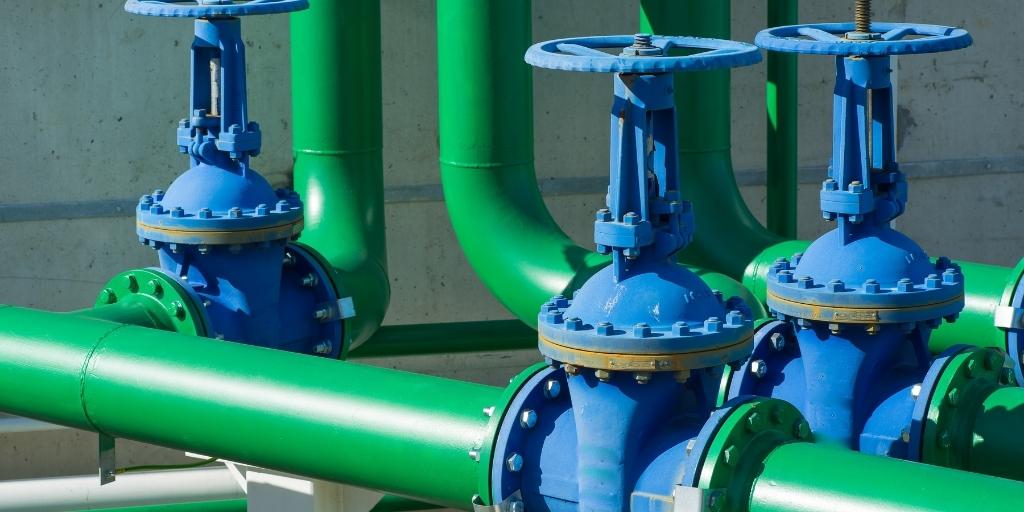
A Bankwatch survey of the recovery plans [1] in Bulgaria, Czechia, Poland, Romania and Slovakia reveals gas investments totalling more than EUR 2 billion. Countries heavily dependent on coal, like Poland, Czechia or Bulgaria, consider fossil gas as a potential replacement, or a ‘bridge’ fuel, irrespective of gas’s contribution to climate breakdown. While Member States are required to comply with a ‘do no significant harm’ principle to demonstrate how a proposed recovery measure will not impact climate or nature, loopholes exist in the fund’s regulation that permit recovery money for fossil fuels projects. This goes against the recent recommendations of the IEA [2], which called for an immediate end to investments in the extraction of fossil fuels and a rapid decrease in their usage. The briefing can be found here Investments in fossil gas boilers are one of the most common measures proposed by several Member States, including Czechia, Slovakia, and Poland. Slovakia plans to allocate approximately EUR 50 million for gas boilers as a way to address energy poverty. However, the data from Slovak agencies shows that fossil gas is actually the most expensive fuel source compared to wood and heat pumps. Meanwhile, Bulgaria intends to spend EUR 244 million on a gas pipeline project Bulgartansgaz. The pipelines are supposed to transport ‘low-carbon’ gases – biogas and hydrogen, blended at different ratios with fossil gas – primarily to coal-based thermal power plants. The project will cause a coal-to-gas transition, locking Bulgaria into fossil gas dependency.
Anelia Stefanova, Energy Transformation Area director at CEE Bankwatch Network, said: “A long-lasting recovery is incompatible with funding for fossil fuels. Gas projects for climate change mitigation and grants to expand the gas supply throw a life line to an otherwise stranded asset.” For additional information please contact: Anelia Stefanova Energy Transformation Area director, CEE Bankwatch Network Email: anelias@bankwatch.org Mobile: +39 3338092492 Notes: [1] Bankwatch briefing “The role of gas in the recovery and resilience plans” https://bankwatch.org/publication/the-role-of-gas-in-the-recovery-and-resilience-plans [2] IEA’s report “Net Zero by 2050” https://www.iea.org/reports/net-zero-by-2050
Never miss an update
We expose the risks of international public finance and bring critical updates from the ground – straight to your inbox.
Institution: EU funds
Theme: EU recovery fund | gas
Project: After recovery towards cohesion | Fossil gas
Tags: EU Recovery Fund | fossil gas | gas

