Despite being Uzbekistan’s largest cotton producer and receiving millions in development loans from the European Bank for Reconstruction and Development (EBRD), the Asian Development Bank (ADB) and the International Finance Corporation (IFC) – institutions that promote modernisation and corporate responsibility – Indorama Agro faces multiple complaints of worker mistreatment and retaliation.
Stay informed
We closely follow international public finance and bring critical updates from the ground.
Key facts
Uzbekistan, one of the largest cotton producers in the world, remains under heavy authoritarian control, amidst stalled legal reforms, restrictions on freedom of speech, and retaliations against journalists and activists.
A global boycott of Uzbekistan cotton was imposed in 2011 in response to cases of child and forced labour during the cotton harvesting season, with a total of 331 international brands joining the campaign. The boycott was lifted in March 2022 following national reforms and confirmation that all forms of child labour had been eliminated.
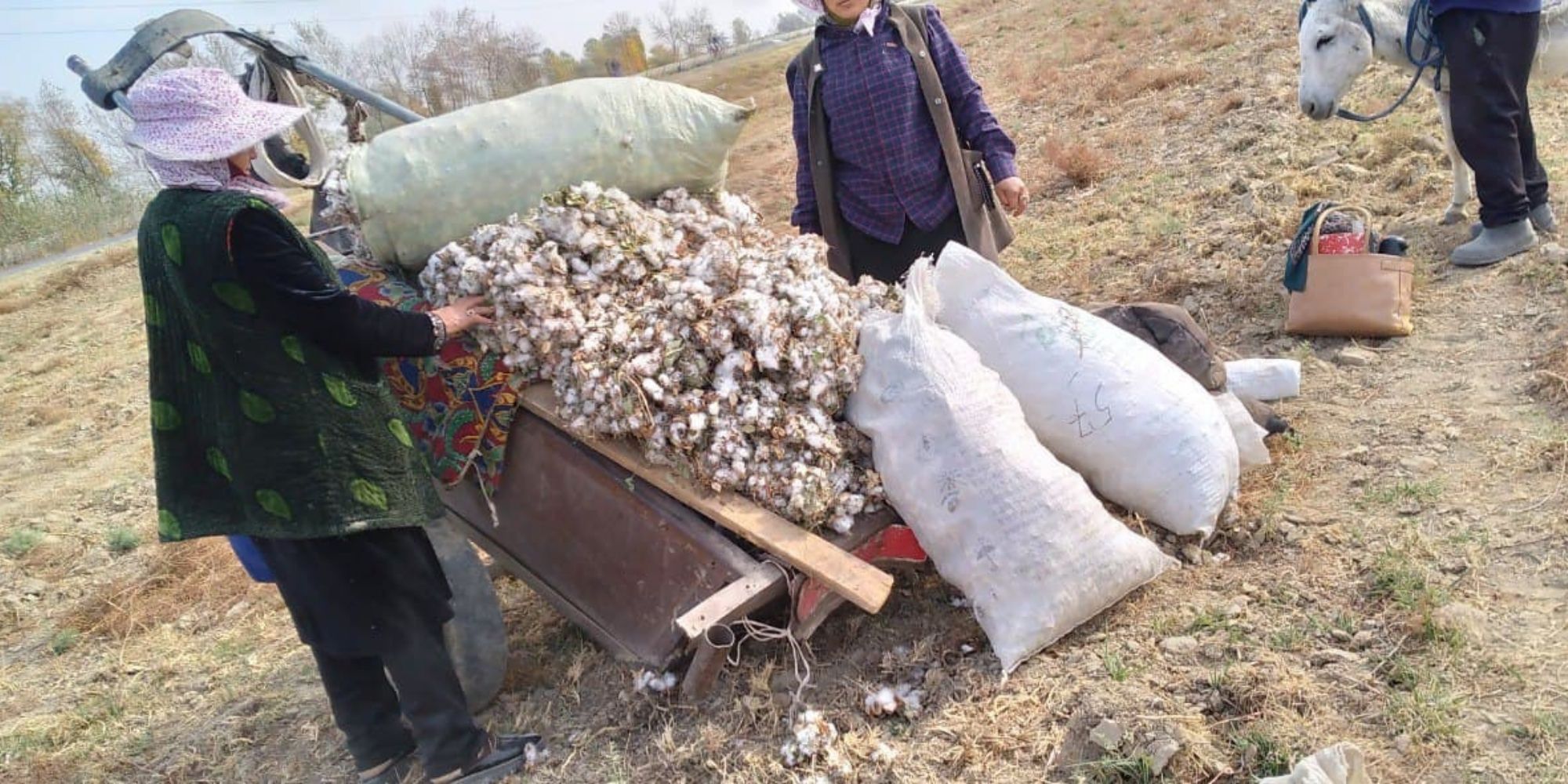
As part of the privatisation process, the Uzbek cotton sector was reorganised into ‘clusters’ to reduce government control over cotton production, resulting in farming enterprises managing both production and yarn processing. In practice, however, this has led to the monopolisation of land and labour violations. As all land in the country belongs to the state and therefore cannot be owned by private individuals, these clusters have started taking over land leases, a practice that has resulted in land grabs and exploitation of local farmers’ rights. Economically disadvantaged farming communities remain vulnerable to coercion, unfair working conditions, forced labour, and the risk of reprisals.
Indorama Agro, the largest cotton producer in Uzbekistan, is part of the Singapore-registered Indorama Group, a global chemical and fibre conglomerate. In 2018, Indorama Agro was formally authorised to produce wheat and cotton by decree of the Uzbek government. The company has promised to introduce the latest agricultural practices, technologies and methods to the Uzbek cotton industry.
Since 2021, Indorama Agro has received investment loans totalling USD 130 million from the EBRD and the IFC to modernise cotton production in Uzbekistan.
In 2016, the Uzbek Forum for Human Rights filed a complaint with the IFC on behalf of cotton pickers in relation to child labour at Indorama Kokand Textile in the Fergana region.
In 2023, the Uzbek Forum for Human Rights and Bankwatch submitted a complaint to the EBRD’s Independent Project Accountability Mechanism regarding human rights violations by Indorama Agro.
However, despite a history of grave violations and ongoing complaints, Indorama Agro continues to receive loans from development banks. Recently, the ADB awarded the company USD 15 million for COVID-19 recovery and climate change mitigation.
Key issues
- During 2018 and 2019, Indorama Agro acquired 50,000 hectares of agricultural land through a questionable ‘voluntary’ transfer process. The deal involved farmers relinquishing their land leases in exchange for compensation and employment with the company. In reality, however, the farmers were coerced by the local authorities to terminate their land leases without any meaningful discussion or fair processes in place. There is no evidence of Indorama Agro having compensated farmers for their lost livelihoods.
- Workers employed by Indorama Agro were subjected to multiple reclassifications of their employment status, replacing permanent employment with simple civil law contracts and forcing seasonal workers to sign entrepreneurial contracts. As a result, those forced to sign service-provider contracts were deprived of their basic labour rights such as pensions, entitlement to sick leave, and holiday allowances.
- In violation of the Uzbek Labour Code, these contracts also stipulated unreasonably high production targets, harsh penalties, and low pay. Service providers were also prohibited from joining trade unions. In addition, there have been reports of systematic contract violations by the company, including delayed payments, unjustified penalties, and other infraction.
- Workers at Indorama Agro are often not provided with protective gear and are regularly exposed to chemicals with severe health risks, highlighting the company’s complete neglect of health and safety procedures.
- Several incidents of environmental pollution have been reported, including contamination of water streams, damage to local beekeepers’ stock, and harm to farmers’ mulberry treesIndorama Agro is a heavy user of pesticides, including glyphosate, which is restricted in many countries due to concerns over its impact on the environment and human health.
- Indorama Agro does not provide an appropriate platform for meaningful stakeholder engagement, ignores concerns raised, and does not involve stakeholders in project planning and operations. The company has failed to conduct proper public consultations and effective grievance mechanism. Only a bare minimum of information on its plans and operations is disclosed.
Background
In 2011, international sanctions were imposed on Uzbekistan following allegations of child and forced labour in the cotton industry. After reforms by President Mirziyoyev’s government addressed the issue of forced labour during the cotton harvesting season, international lenders, including the EBRD, the ADB and the IFC, approved multimillion loans to help modernise domestic cotton production.
These investments, along with the controversial leasing of thousands of hectares of land, helped the banks’ client Indorama Agro become the biggest cotton producer in the country. However, the company has come under intense scrutiny from international civil society for a raft of human rights and labour violations.
In August 2023, the Uzbek Forum for Human Rights, supported by CEE Bankwatch Network, submitted an official complaint with the EBRD’s Independent Project Accountability Mechanism on behalf of Uzbek residents in relation to human rights violations by the company.
Latest news
Pulling the ‘cotton’ over Uzbek eyes at latest EBRD investment
Blog entry | 26 January, 2021On 27 January 2021 the EBRD expects its Board of Directors to approve a loan of USD 70 million to Indorama Agro for the development of the cotton farming sector in Uzbekistan.
Read moreRelated publications
Joint civil society statement: Urgent call on the IFC and the EBRD for remedy and accountability at Indorama Agro in Uzbekistan
Advocacy letter | 3 April, 2025 | Download PDF89 civil society organizations signed a joint statement calling on the IFC and the EBRD to ensure remedy and accountability, for the severe and systemic violations at Indorama Agro cotton project in Uzbekistan.
More than money: Development banks must strengthen human rights safeguards
Study | 6 May, 2024 | Download PDFDespite environmental and social safeguards in place, projects financed by public development banks all too often violate human rights.
Joint Statement Regarding the Establishment of an Independent Trade Union in Uzbekistan
Advocacy letter | 26 March, 2021 | Download PDFOn March 19, 2021, over 200 employees of Indorama Agro in the Syrdarya region of Uzbekistan held a meeting to establish the independent trade union, “Xalq Birligi” (People’s Unity), the first of its kind in the country. This initiative was a response t

