Rovinari unit 7, Romania
CANCELLED: The Romanian Government has been negotiating for several years with the Chinese Government to build a new 600 MW unit at the lignite power plant in Rovinari, Gorj County. The new unit would be built on the site of Units 1 and 2, currently decommissioned. A new up and running plant would pollute the whole region for at least 40 more years, a coal plant’s average lifespan.
Stay informed
We closely follow international public finance and bring critical updates from the ground.
Background
In December 2012 Oltenia Energy Complex (state owned company) signed a memorandum of understanding with China Huadian Engineering Co. Ltd for setting up a project company and the construction of a 500 MW lignite-fired unit at Rovinari. The initial information was that the new unit would be built at an estimated cost of one billion euros. Since then, more memorandums of understanding have been signed between the Romanian and the Chinese company or the respective Governments, laying down the steps to create a Romanian-Chinese joint-venture, which would implement the project. The most recent one dates to September 2015, when it was reported that the unit would have an installed capacity of 600 MW and would cost EUR 847 million. The project team has met since them, the latest visit of a Chinese delegation to Rovinari taking place in August 2017.
In January 2013, the general manager of the Oltenia Energy Complex said the new unit will export the electricity to Austria and Turkey. China Huadian conducted a pre-feasibility study in 2014 for the construction of this unit at Rovinari, indicating the need to dismantle some of the existing infrastructure, something that would increase the costs of the project and which the representatives CE Oltenia disagreed with at the time. In addition, China Huadian Engineering Co. requested customs exemptions for equipment imported from China, demanding at the same time a long term power purchase agreement or a guaranteed price for coal, which, under European legislation, may be considered illegal state aid. China Huadian would ensure the full financing of the investment, being the main shareholder of the joint venture IPP (Independent Power Producer) that would be created and CE Oltenia would have a share of under 9%.
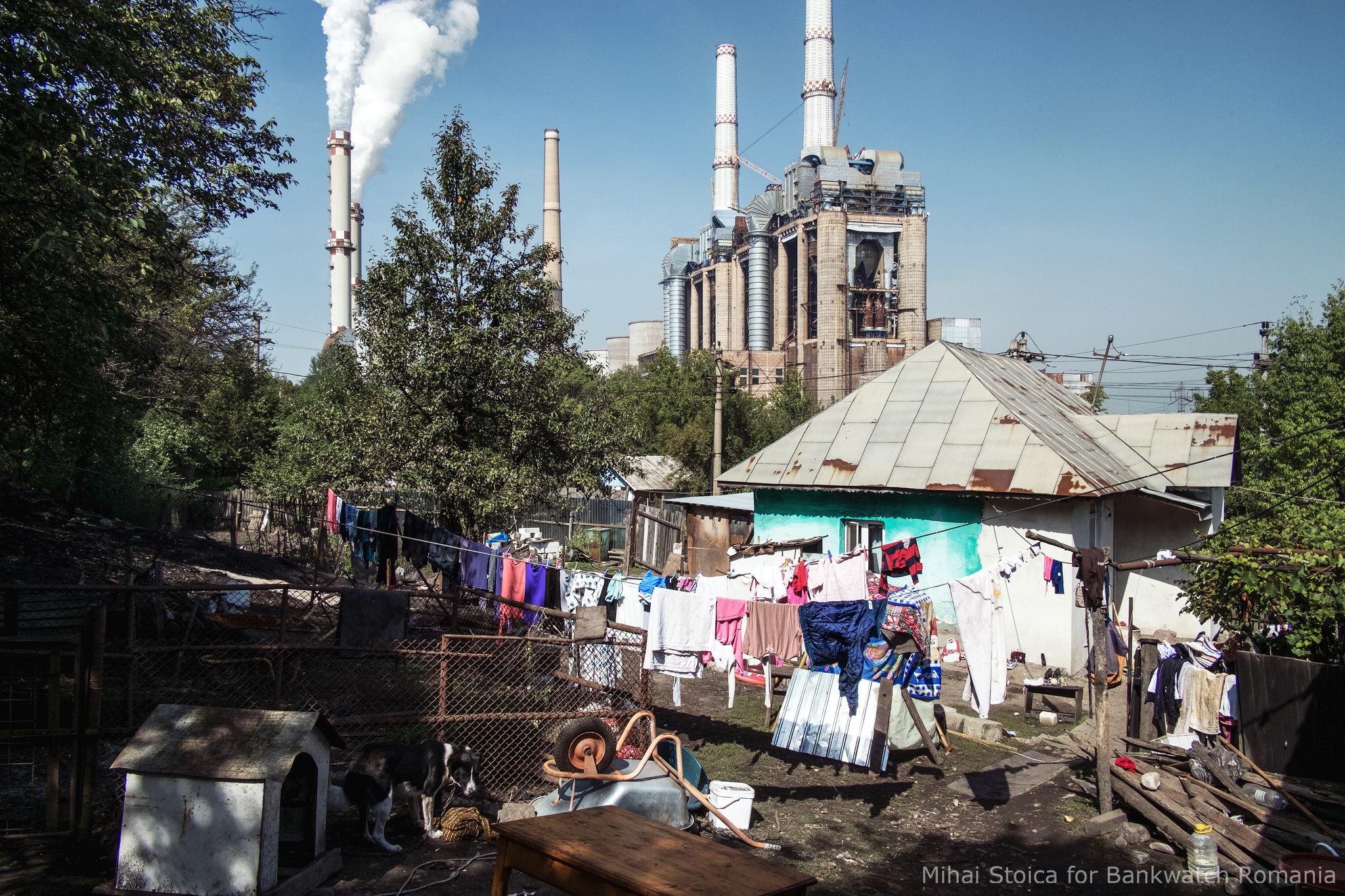
If the project went ahead, the new unit would be located next to the town of Rovinari, increasing existing air pollution levels from the other 4 units. The lignite would be supplied from the nearby open-pit mines – Tismana I and II, Rosia, Pinoasa, all owned by the same Oltenia Energy Complex – which would require expansion of production capacity. Extending these mines would mean clearing huge land areas, in most cases accompanied by massive deforestation.
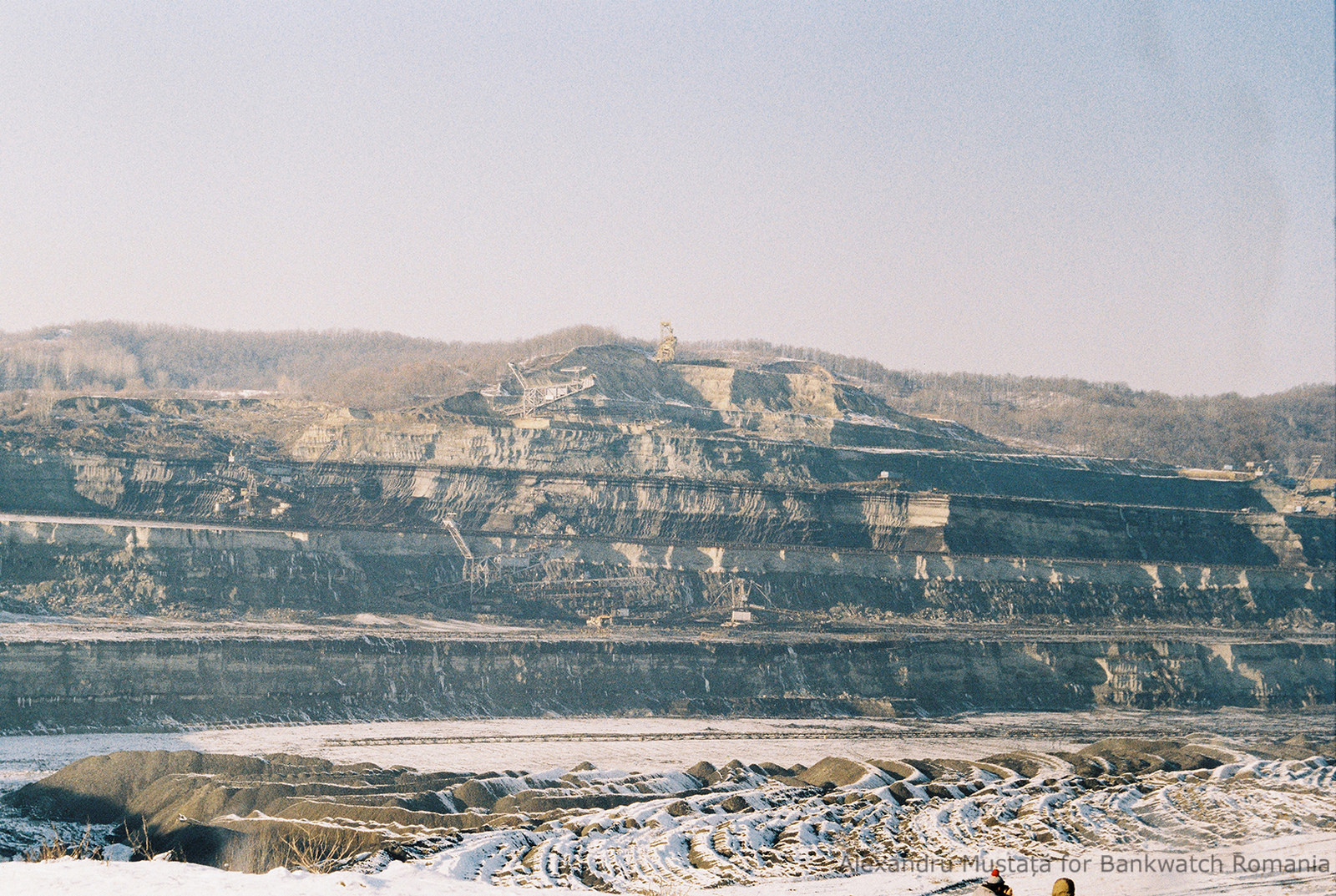
Since 2012, Bankwatch Romania has filed a series of complaints in court, requesting the annulment of illegally issued deforestation permits and mine expansion permits which did not assess impacts on the environment. Almost all the actions have been successful in court. After an infringement procedure was initiated by the European Commission, all expansions were reassessed. However, the new permits fail to evaluate the cumulative impact of the mines, and are therefore again the subject of Bankwatch Romania court action, one of them being currently suspended. To date (May 2018) no environmental impact assessment procedure has been launched.
In short:
The existing power plant:
- Part of Oltenia Energy Complex
- 4 units installed every 330 MW each
- Three functional units: 3, 4 and 6; unit 5 undergoing modernisation
- Location: southwestern Romania, Gorj county
- Year of commissioning: 1972
- Fuel used: lignite
- Environmental integrated permit expired on 31.12.2017
New power plant
- China Huadian + CEOltenia
- 1 unit of 600 MW
- Fuel: lignite (6 million tonnes per year)
- Life expectancy: 40 years
- Significant social and environmental impacts
Latest news
Death by a thousand transmission lines
Blog entry | 6 August, 2026The EBRD-backed development of the 400/110/35 kV Brezna substation for Montenegro’s transmission grid is opening several crucial questions – where is the red line beyond which a project’s impact on local communities makes it unacceptable? Can this even be assessed when all the institutions and financiers involved fail to identify even the obvious impacts? And why are the project’s backers so reluctant to provide environmental documentation to the affected people?
Read moreWestern Balkans gets second chance at just transition: Can new support platform deliver?
Blog entry | 15 July, 2026For coal-dependent communities in the Western Balkans, the launch of the JET Balkans project marks a welcome end to more than two years without a dedicated regional support platform. But with political commitment, funding and transparency still in short supply, local authorities and civil society are wondering whether the initiative can turn planning into meaningful implementation, or whether it will repeat the shortcomings that have slowed just transition efforts across the region.
Read moreWestern Balkans coal plants continue to breach pollution limits despite legal deadlines, report says
Bankwatch in the media | 8 July, 2026Coal-fired power plants across the Western Balkans emitted sulphur dioxide at more than six times legal limits in 2025, with dust pollution reaching its worst level since current emissions rules came into force eight years ago.
Read moreRelated publications
Comments on the Environmental Impact Assessment of Sostanj thermal power plant project
Policy comments | 15 February, 2010 | Download PDFThese comments by Slovenian NGO Focus – Association for Sustainable Development outlines concerns regarding the Sostanj project’s financial picture and its compliance with the climate and energy objectives of Slovenia. They also express serious doubts about the actual necessity of the project.

