
Ukraine Reconstruction Campaigner
Email:Tel.:
Anna is Bankwatch’s Ukraine Reconstruction Campaigner, working on green reconstruction and environmental safeguards in Ukraine’s recovery. Her work focuses on alternative sources of energy for communities, energy resilience, and the alignment of Ukraine’s energy policy and public investment management system with EU standards. Originally from Kyiv, she holds an MSc in Environmental Sciences and Policy from Central European University and is based in Bratislava.
More from
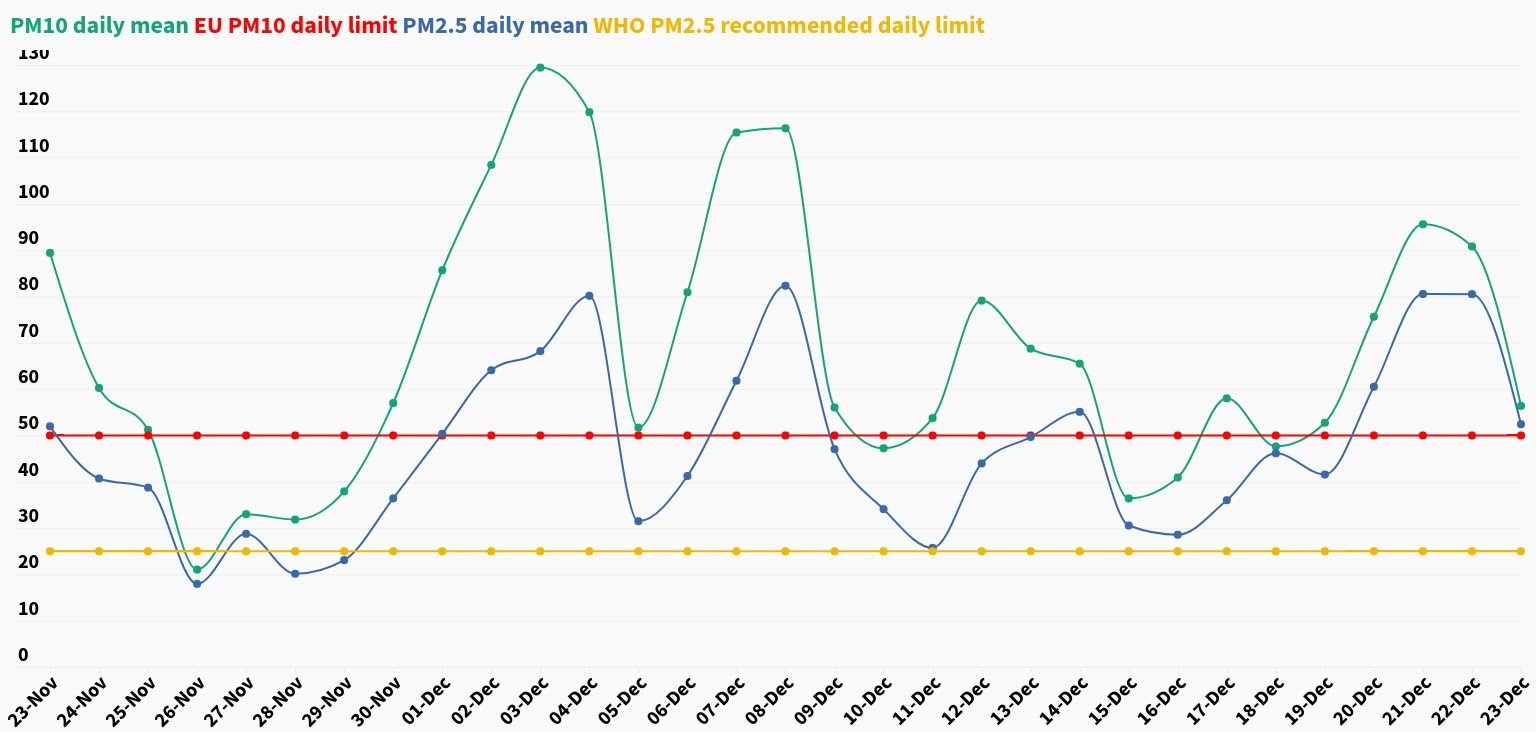
Bankwatch’s ongoing air pollution campaign added six more locations to its independent particulate matter monitoring to provide on-the-ground data from these major polluting locations.
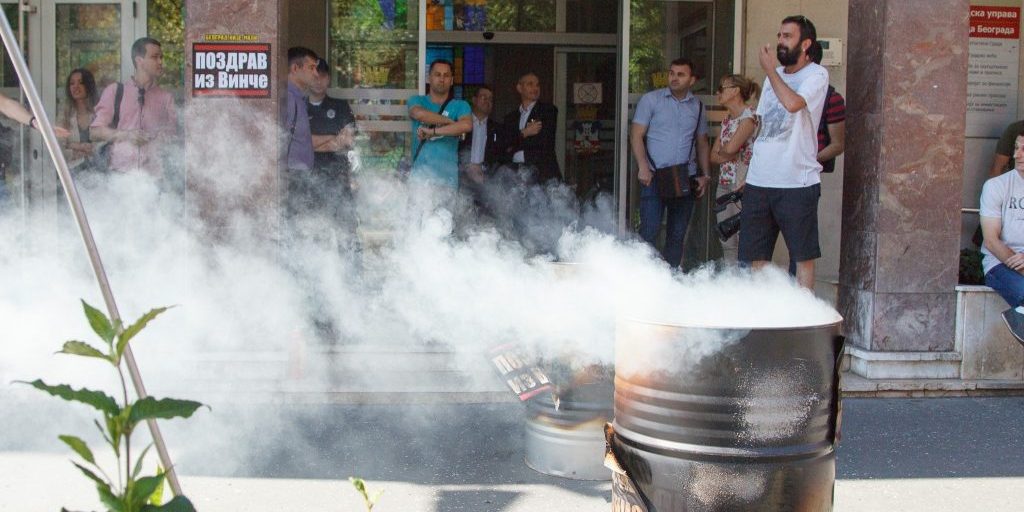
Serbia’s Ne Davimo Beograd movement has submitted two complaints to the Energy Community Secretariat, challenging government decisions for the Suez-Itochu consortium’s 340,000 tonnes-per-year municipal waste incinerator in Belgrade (1).
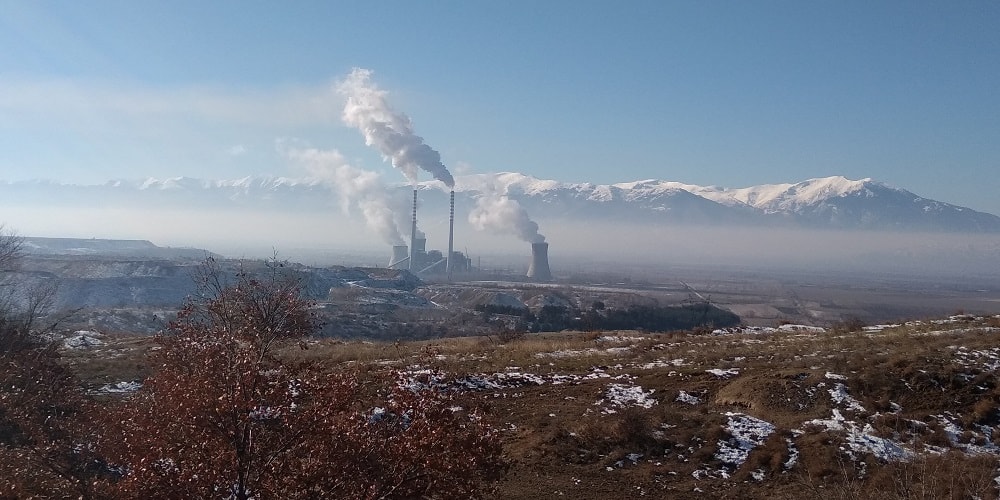
North Macedonia government contemplates prompt coal exit
February 24, 2020 | Read more
The government has approved a national energy strategy that makes it the first country in the Western Balkans to consider a coal phase-out before 2030.
Financing the low carbon transition in Romania
February 21, 2020 | Read more
Romania is the country in the South East European and Central East European with the best enabling conditions for the energy transition. Yet it continues to be one of the lignite intensive countries in the EU. Read our report to explore why on the European scale, Romanians still pay more than their European counterparts for the costs of this carbon intensive energy system.
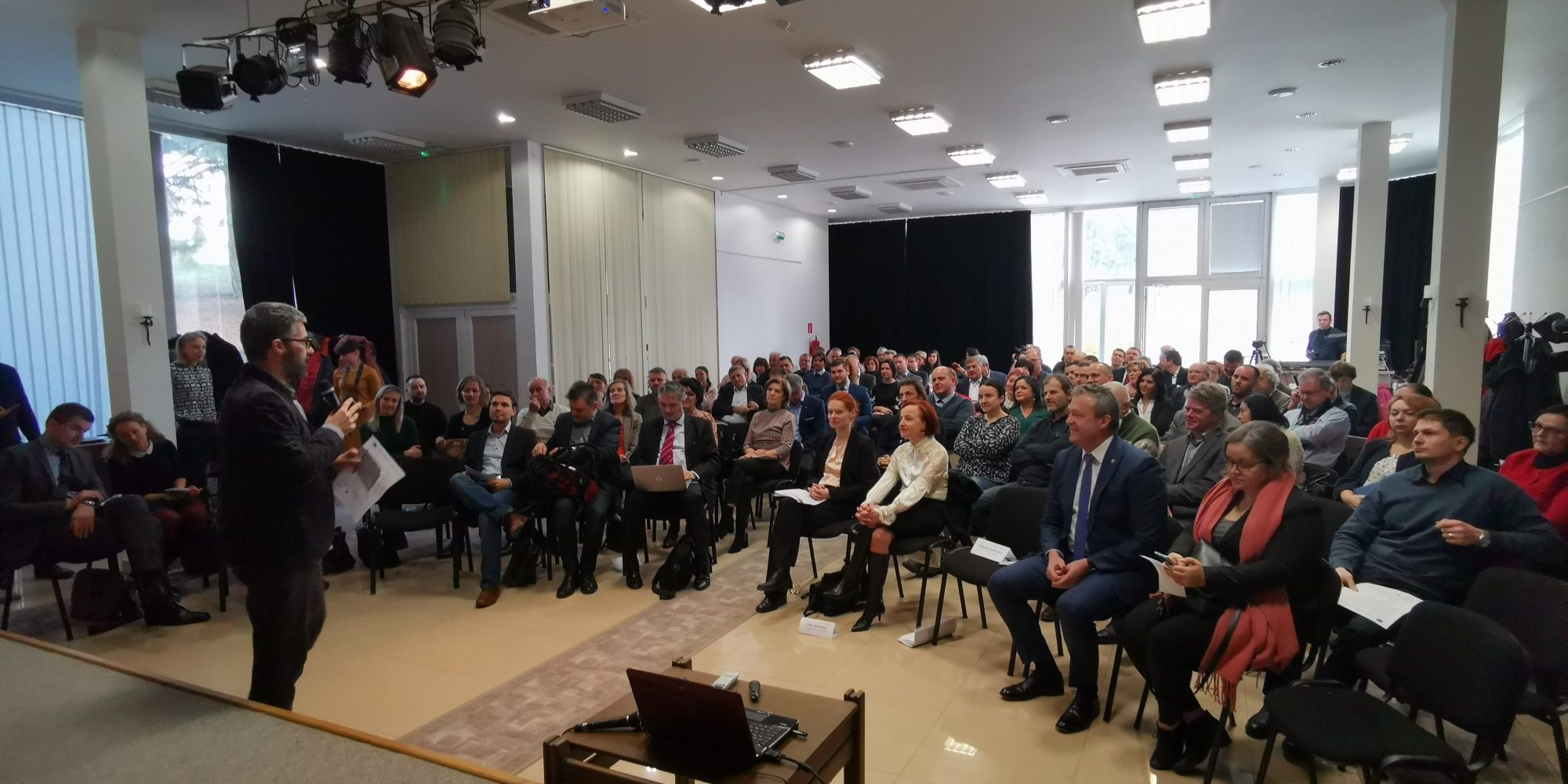
Will Europe’s just transition pilot support locals in Slovakia?
February 20, 2020 | Read more
A just transition for Slovakia’s Upper Nitra is already underway. But turning plans into projects which can actually bring about this transition will be no easy feat. One of the challenges ahead will be to ensure that there is both enough money invested in the region and a sufficient number of good quality projects–projects that don’t lock in carbon-intensive technologies–that support local people.

