
Ukraine Reconstruction Campaigner
Email:Tel.:
Anna is Bankwatch’s Ukraine Reconstruction Campaigner, working on green reconstruction and environmental safeguards in Ukraine’s recovery. Her work focuses on alternative sources of energy for communities, energy resilience, and the alignment of Ukraine’s energy policy and public investment management system with EU standards. Originally from Kyiv, she holds an MSc in Environmental Sciences and Policy from Central European University and is based in Bratislava.
More from

This report is a critical analysis, with regard to the impacts on biodiversity, of the Environmental and Social Impact Assessment (ESIA) of the Amulsar Gold Project. Special attention has been paid to the biodiversity offsetting proposal for creation o

Social impacts of the Amulsar mine in Armenia
January 8, 2019 | Read more
The Amulsar mine presents a number of considerable health and social risks to local communities, the tourism potential of the nearby Jermuk spa resort and the surrounding villages’ orchards, pastures and water supplies. The company Lydian Armenia prepa

Call for the EBRD to condemn retaliation against civil society
December 21, 2018 | Read more
The space for civil society is rapidly shrinking across the world. This is especially true in the countries of EBRD operations, where crackdowns on freedom of expression, association, and assembly threaten the very existence of independent civil societ
Belgrade incinerator plans raise burning questions
December 19, 2018 | Read more
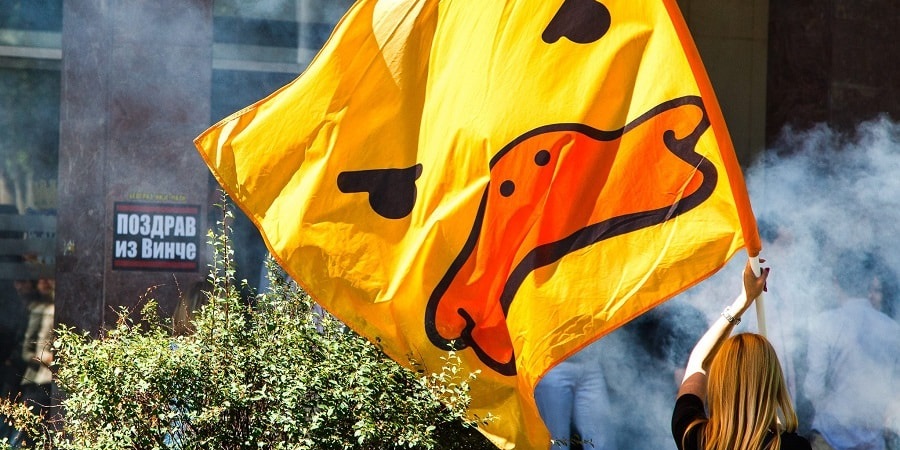
The planned Belgrade waste incinerator in Serbia, being considered for financing by the EBRD, EIB and IFC, is incompatible with increasing waste prevention and recycling rates and endangers the already precarious livelihoods of the 12,000 people who currently live from waste-picking in the city. The recently published environmental and social impact assessment for the project fails to resolve either of these issues, as well as numerous others.
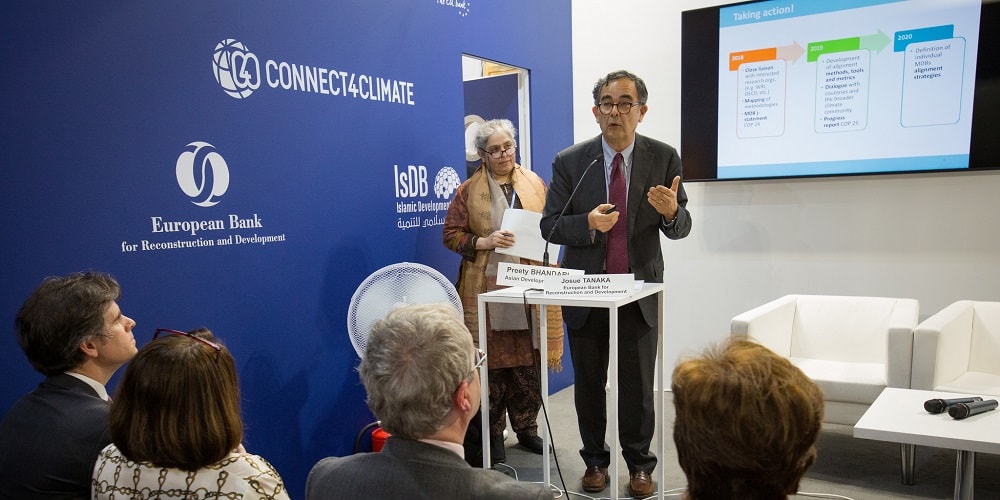
In the middle of last week, negotiators in this year’s UN climate summit in Katowice, Poland, were scrambling to agree on guidelines for the Paris Agreement that would ensure global warming is capped at no more than 2 degrees. At the same time, the European Bank for Reconstruction and Development (EBRD), one of the world’s key development banks, adopted a new energy lending strategy that ends its support for coal but keeps the door wide open for gas. Ioana Ciuta of CEE Bankwatch Network takes a closer look.

