
Ukraine Reconstruction Campaigner
Email:Tel.:
Anna is Bankwatch’s Ukraine Reconstruction Campaigner, working on green reconstruction and environmental safeguards in Ukraine’s recovery. Her work focuses on alternative sources of energy for communities, energy resilience, and the alignment of Ukraine’s energy policy and public investment management system with EU standards. Originally from Kyiv, she holds an MSc in Environmental Sciences and Policy from Central European University and is based in Bratislava.
More from
This report by the Belgrade-based Center for Research, Transparency and Accountability – CRTA shows that the Serbian government is supporting the Kostolac coal power plant and mines with loan guarantees and potentially VAT exemptions.
EU heads of state gathering today and tomorrow will discuss the European Energy Security Strategy promoting a number of massive infrastructure projects which include gas pipelines, LNG terminals and storage facilities even though their overall environmental impact has not been adequately assessed. Environmentalists are currently battling the European Commission over this issue in Court.
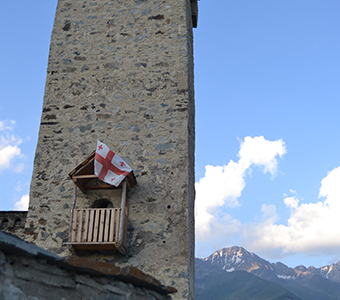
Will Georgia go green after EU association agreement?
June 26, 2014 | Read more
On Friday Georgia will sign an association agreement with the European Union, meaning that our country will start cooperating more closely with the EU and even implement more European legislation. This is good news, particularly when it comes to the environment.
Energy is one of the biggest economic sectors in south-eastern Europe and is set to grow even further with the region moving closer to the EU. The region has high potential for energy efficiency and sustainable renewable energy investments. Yet, as this study illustrates with a number of examples, countries have shown little ability to absorb investments at a large scale without systemic corruption and patronage. See also an interactive map with summaries for each case at https://bankwatch.org/SEE-energy-corruption
В контексте обновленного подхода к Европейской политике соседства (ЕПС), очерченного в совместном коммюнике от 25 мая 2011 года, к 2014 году новый финансовый инструмент, а именно Европейский инструмент соседства (ЕИС), станет ключевым финансовым инструментом для 16 стран-партнеров к востоку и югу от границ ЕС (Алжир, Армения, Азербайджан, Беларусь, Египет, Грузия, Израиль, Иордания, Ливан, Ливия, Молдова, Марокко, Оккупированная Палестинская территория, Сирия, Тунис и Украина). В этом же коммюнике говорится о новом походе к расширенному внешнему мандату ЕИБ для восточных и южных соседей, а также расширении мандата ЕБРР на отдельные страны Средиземноморского региона.

