
Ukraine Reconstruction Campaigner
Email:Tel.:
Anna is Bankwatch’s Ukraine Reconstruction Campaigner, working on green reconstruction and environmental safeguards in Ukraine’s recovery. Her work focuses on alternative sources of energy for communities, energy resilience, and the alignment of Ukraine’s energy policy and public investment management system with EU standards. Originally from Kyiv, she holds an MSc in Environmental Sciences and Policy from Central European University and is based in Bratislava.
More from
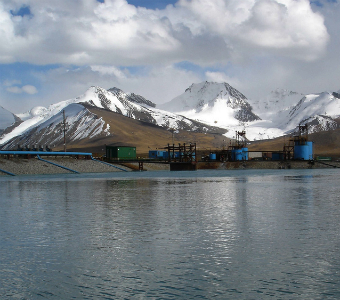
Out of left field: A Kyrgyz inspiration for the EBRD
February 23, 2012 | Read more
Following the publication of one official and one shadow report on the Kumtor gold mine, Kyrgyz authorities have responded to the calls of Bankwatch and other environmental groups to take a tougher stance on the Kumtor mining operations. The EBRD should follow their example.
The dirty French-Slovenian connection
February 23, 2012 | Read more
Slovenian state anti-corruption body claims ALSTOM could have benefited from corrupt acts to get deal to build new lignite plant at Sostanj.
For many years TES 6 has been surrounded by rumours of corruption. In February 2012 the Slovene State Commission for the Prevention of Corruption published a report stating that acts of corruption could have influenced the awarding of the contract to French company ALSTOM and that the law on the state guarantee itself was initially drafted by employees of HSE, the owner of the Sostanj power complex. Slovene NGO Focus Association for Sustainable Development has translated the report to English. (The original report (in Slovenian language) is available for download here (pdf).)
Romania: New coal plants to be built with EU aid for greening economy
February 22, 2012 | Read more
Bucharest – One of the eight Member States applying for EU help consisting of free of charge GHG emissions allowances from 2013 to 2019, Romania intends to implement investments which will lead to maintaining or even increasing the high share of coal in the country’s electricity production, thus contradicting the goals of the EU aid scheme.
Last year, the Romanian government applied for allocation of approximately 75 million tonnes of emissions allowances free of charge in the period 2013-2019. In return, our government proposed a national investment plan that includes 22 (out of 24) fossil fuel installations and would result in 36 percent of the proposed new capacity coming from coal.

