
Ukraine Reconstruction Campaigner
Email:Tel.:
Anna is Bankwatch’s Ukraine Reconstruction Campaigner, working on green reconstruction and environmental safeguards in Ukraine’s recovery. Her work focuses on alternative sources of energy for communities, energy resilience, and the alignment of Ukraine’s energy policy and public investment management system with EU standards. Originally from Kyiv, she holds an MSc in Environmental Sciences and Policy from Central European University and is based in Bratislava.
More from

This briefing examines how Ukraine can strengthen the environmental safeguards in its public investment system by learning from the EU’s Social Climate Fund (SCF). It finds that Ukraine names the ‘do no significant harm’ principle in its public investm
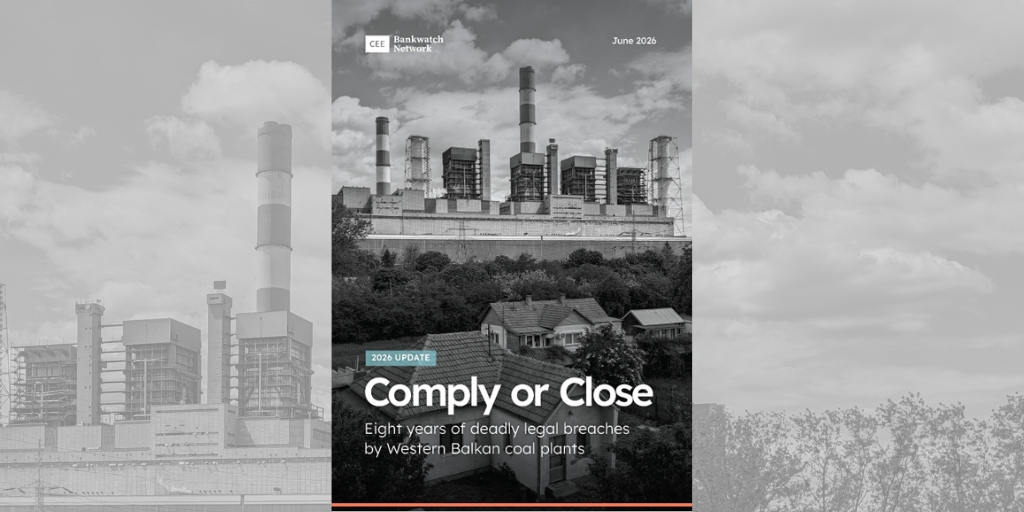
This report exposes the systematic, deadly breaches of air pollution limits by coal-fired power plants in the Western Balkans – eight years after new pollution standards entered force.
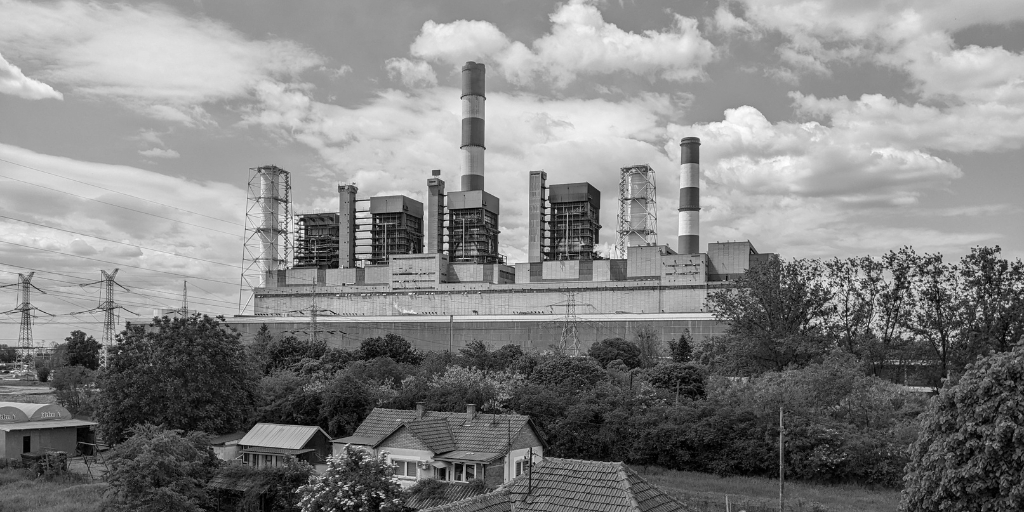
In 2025, systematic law enforcement failures allowed sulphur dioxide (SO2) emissions from the Western Balkans’ ageing coal power plants to exceed legal limits by 6.6 times, according to the eighth edition of Bankwatch’s Comply or Close report, published today (1). Nitrogen oxides (NOx) emissions also continued to breach legal limits, while dust pollution increased, reaching the highest level since the current rules entered force in 2018.
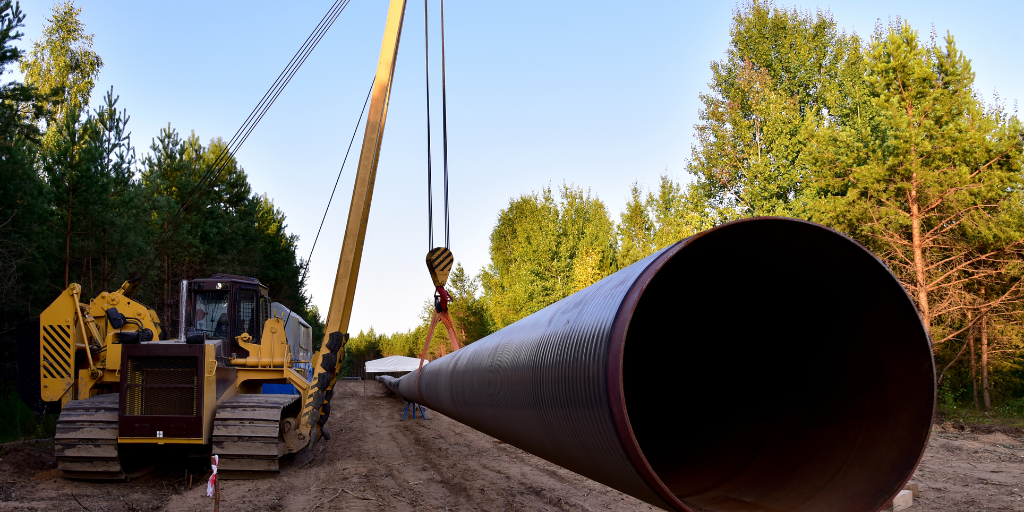
The Western Balkan countries have low or no fossil gas dependence, but the United States is trying to change this. As a major gas producer, its approach to the region is increasingly clashing with the EU’s decarbonisation agenda, raising the threat of increased import dependence or stranded assets.

In the context of Europe reshaping its cohesion policy, this briefing explains why regional chapters in the post‑2028 funding framework must be mandatory, properly financed, and built on credible just transition plans. Without guaranteed regional ownership, targeted support, and strong technical capacity, the shift to a climate‑neutral economy risks deepening territorial divides, sidelining carbon‑intensive and peripheral regions, and slowing Europe’s competitiveness at a moment when no region can afford to fall behind.

