
Ukraine Reconstruction Campaigner
Email:Tel.:
Anna is Bankwatch’s Ukraine Reconstruction Campaigner, working on green reconstruction and environmental safeguards in Ukraine’s recovery. Her work focuses on alternative sources of energy for communities, energy resilience, and the alignment of Ukraine’s energy policy and public investment management system with EU standards. Originally from Kyiv, she holds an MSc in Environmental Sciences and Policy from Central European University and is based in Bratislava.
More from
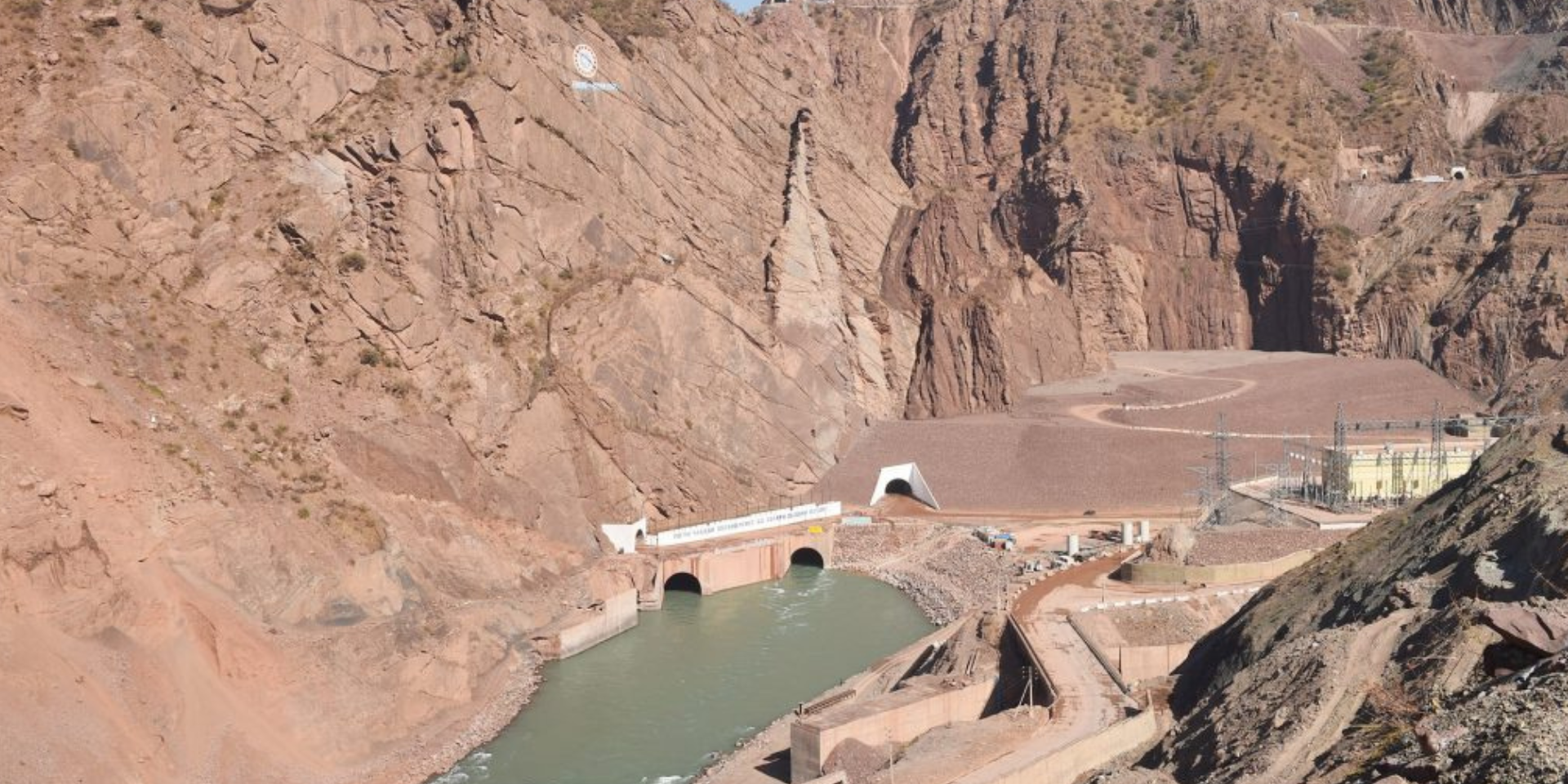
The Rogun Hydropower Project in Tajikistan raises serious concerns regarding freshwater ecosystems, the resettlement of 60,000 people, regional water security and human rights within the context of severely restricted civic space. As the European Investment Bank (EIB) is appraising the project, civil society groups are calling on the EIB’s Board of Directors to ensure compliance with the Bank’s Environmental and Social Standards and relevant EU standards.

With only three months to go until EU Member States must submit their national restoration plans, EuroNatur and Bankwatch are warning that implementation of the EU’s Nature Restoration Regulation will not be possible without sufficient dedicated public funding. In a new report launched today at an event in the European Parliament, they highlight that, without adequate EU funding, many national restoration plans may prove ineffective, failing to restore all damaged ecosystems by 2050. And in the absence of the European Commission’s long-awaited 2025 financing report, governments are now without essential guidance on investment needs and funding pathways.
To support national planning, CEE Bankwatch Network and EuroNatur, in cooperation with national partners, led a study in five Member States – Poland, Estonia, Latvia, Hungary and Croatia – to estimate financing needs for effective nature restoration.
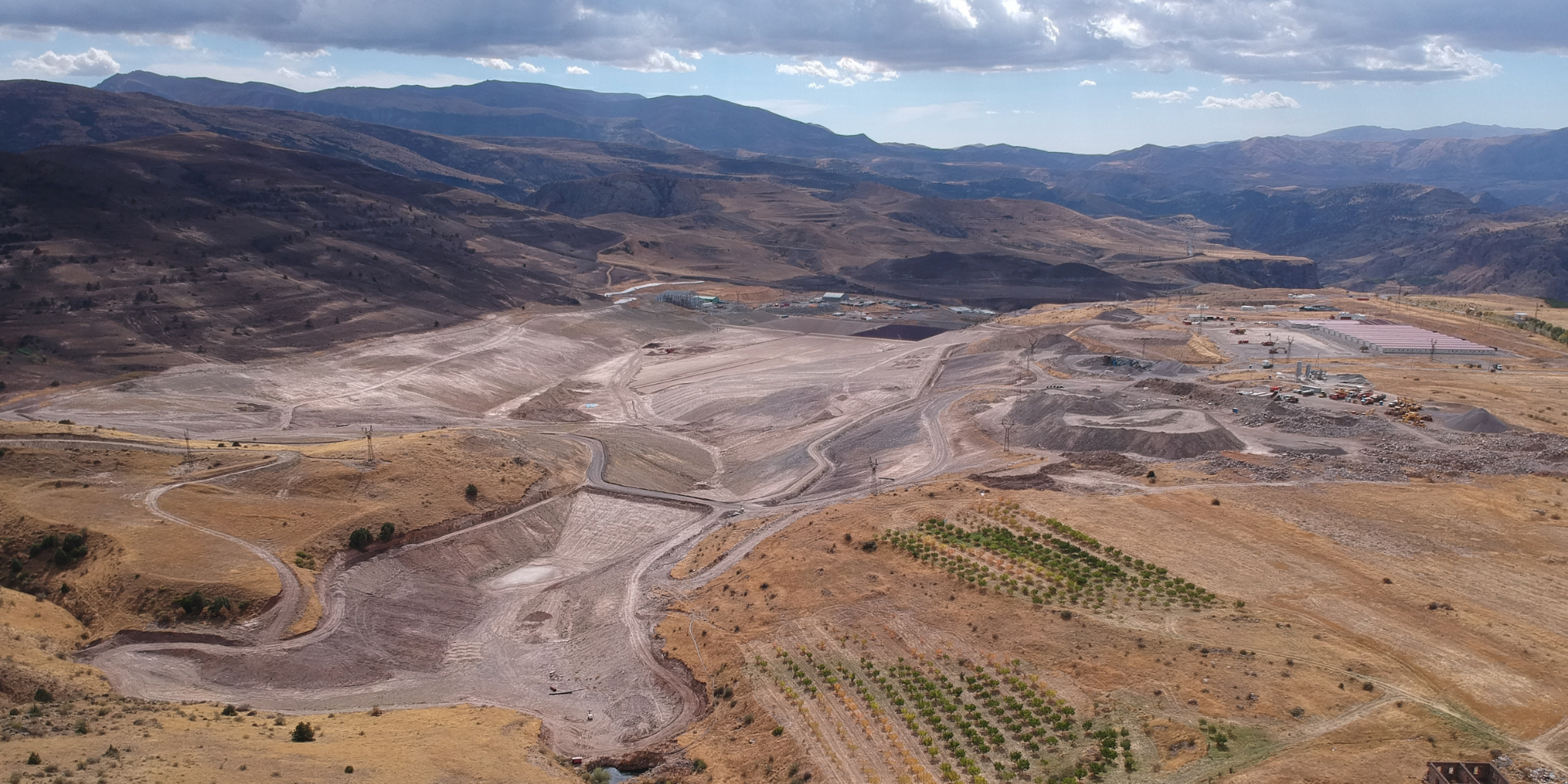
The EBRD’s indirect involvement in the Amulsar gold mine in Armenia through Ameriabank has raised concerns about compliance with its Environmental and Social Policy, due to unresolved legacy issues associated with the project.

As temperatures rise over the summer months, conversations about heating homes may seem distant for many. Yet for many residents of Petroșani – a former coal-mining town in Romania’s Jiu Valley – the challenge of keeping homes warm is a recurring reality that returns every winter, shaped by ageing buildings, low incomes and limited access to support.

